Sign in


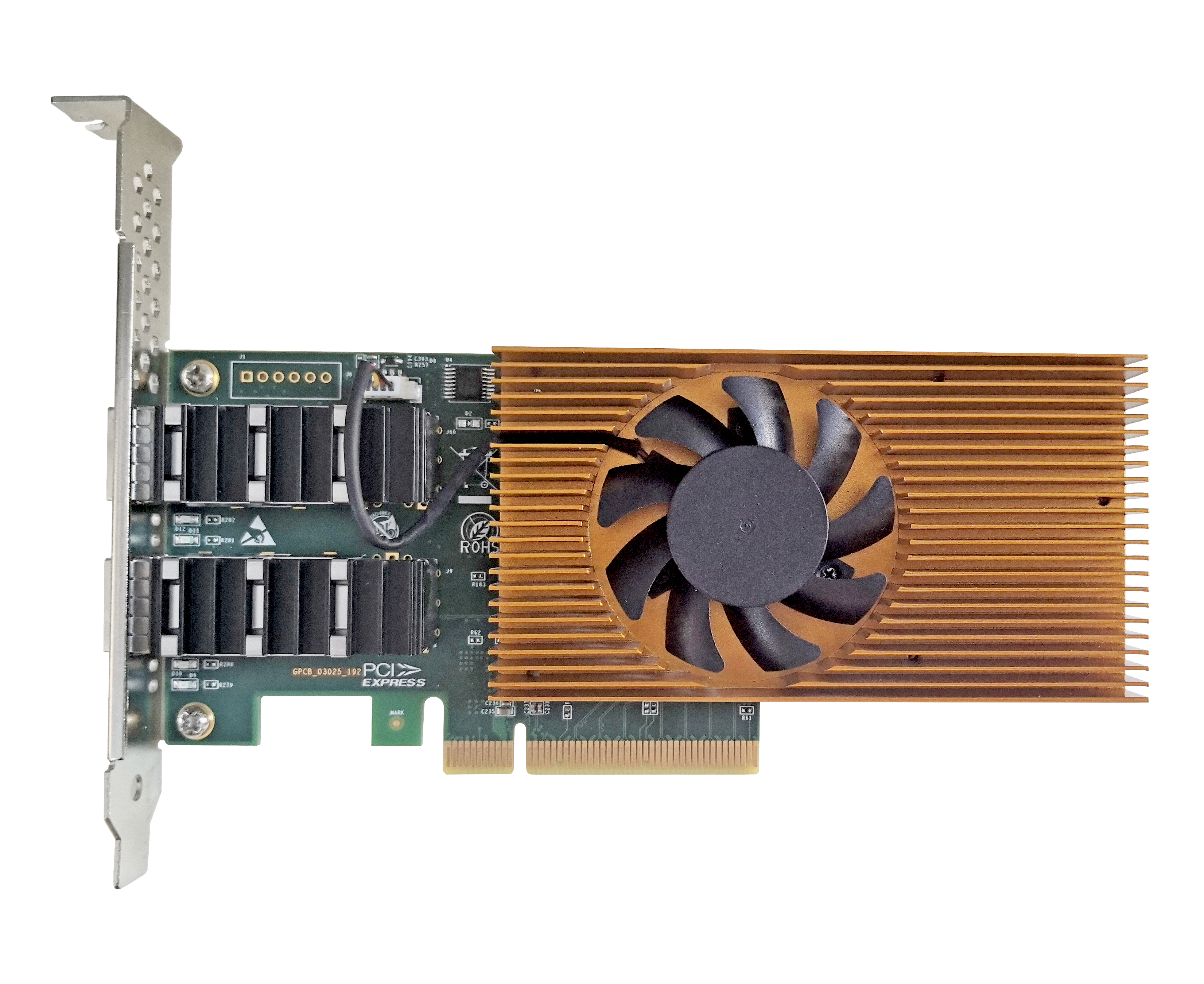
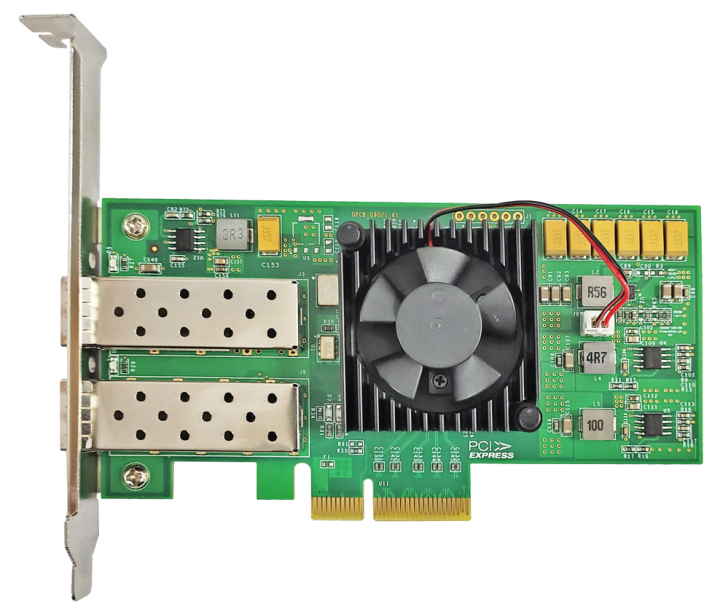
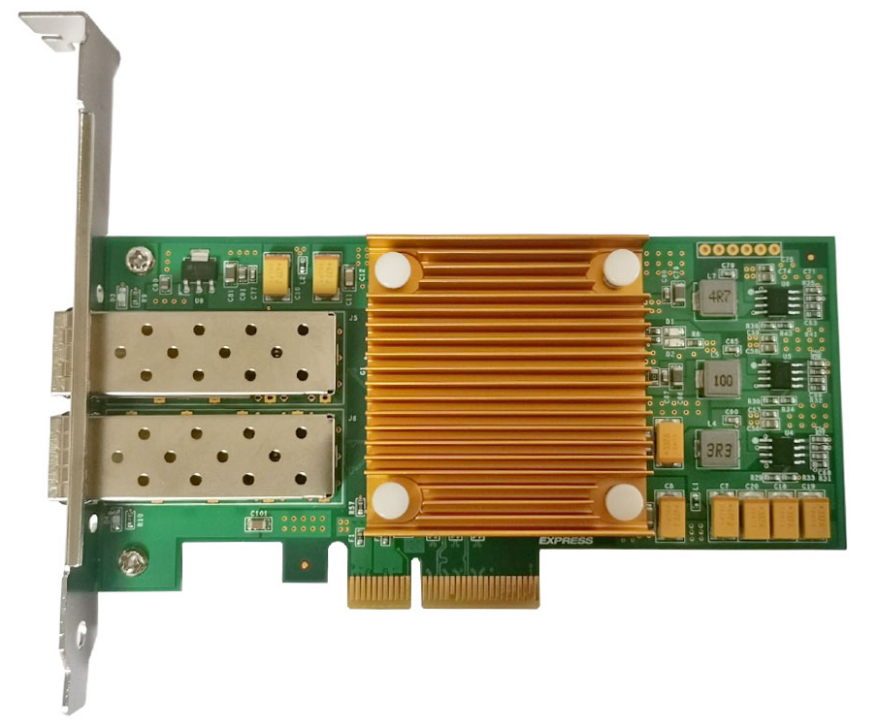
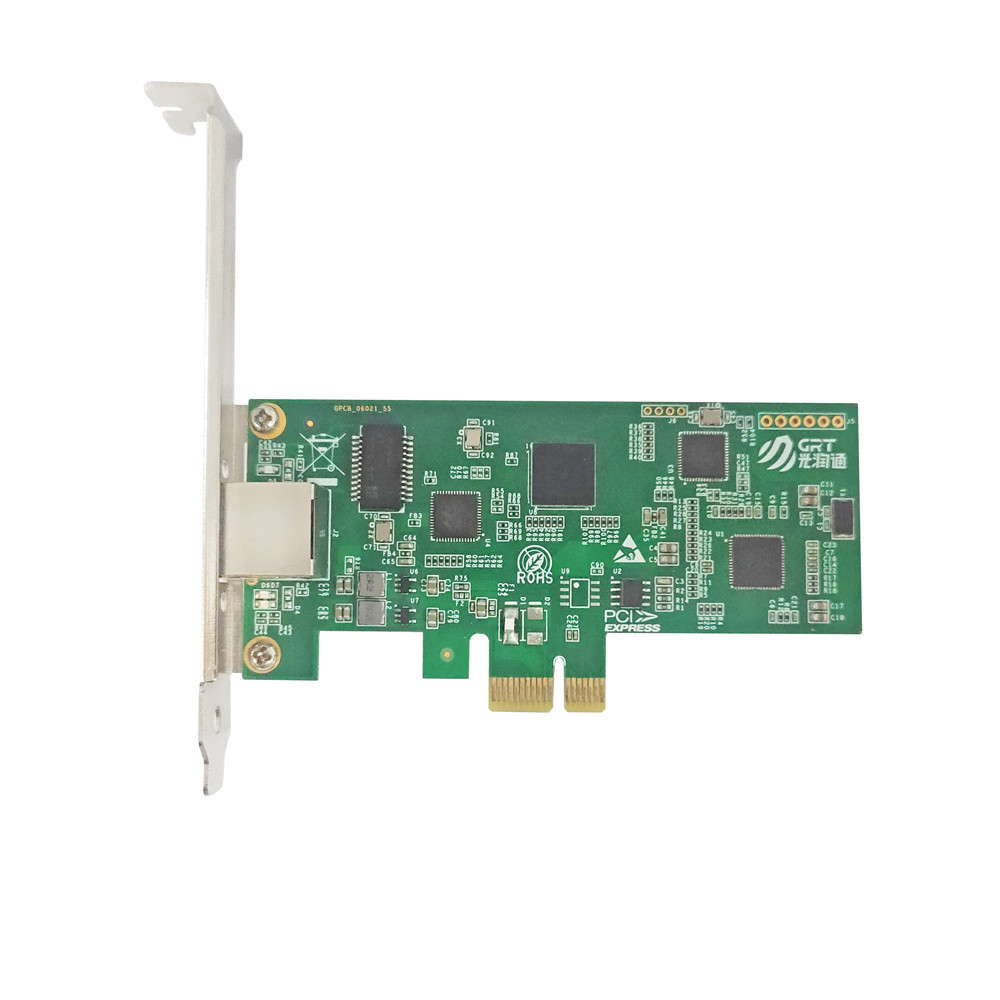
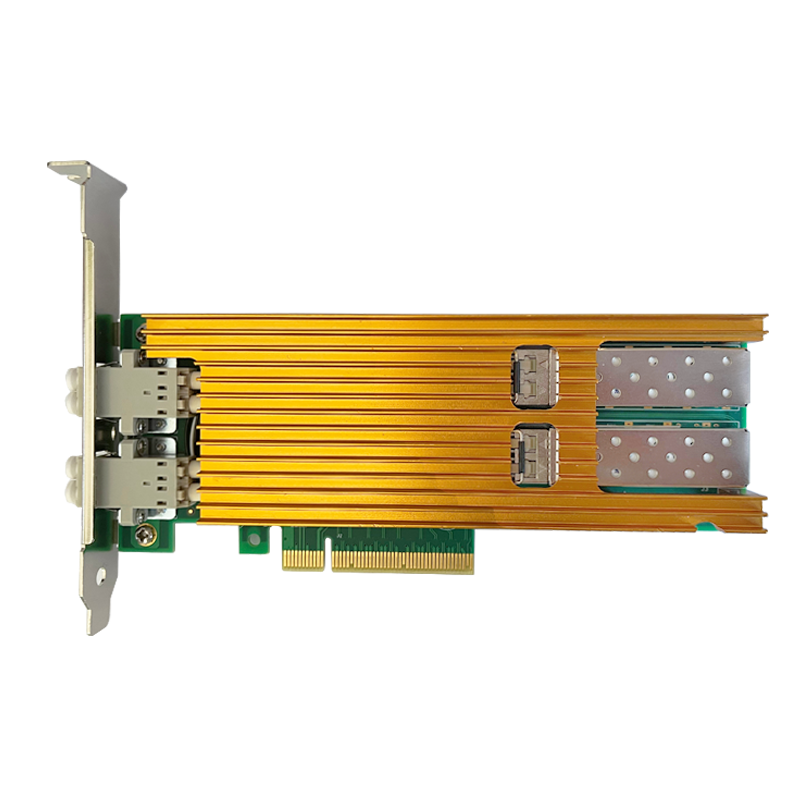
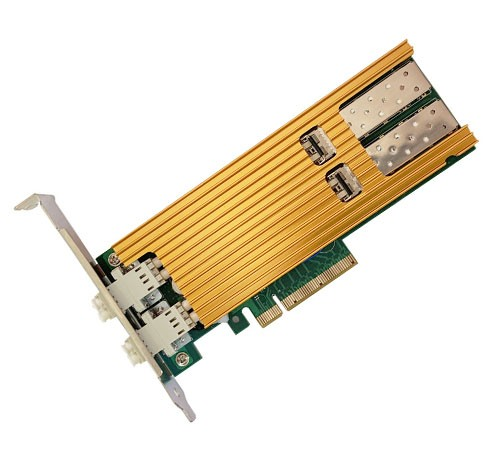
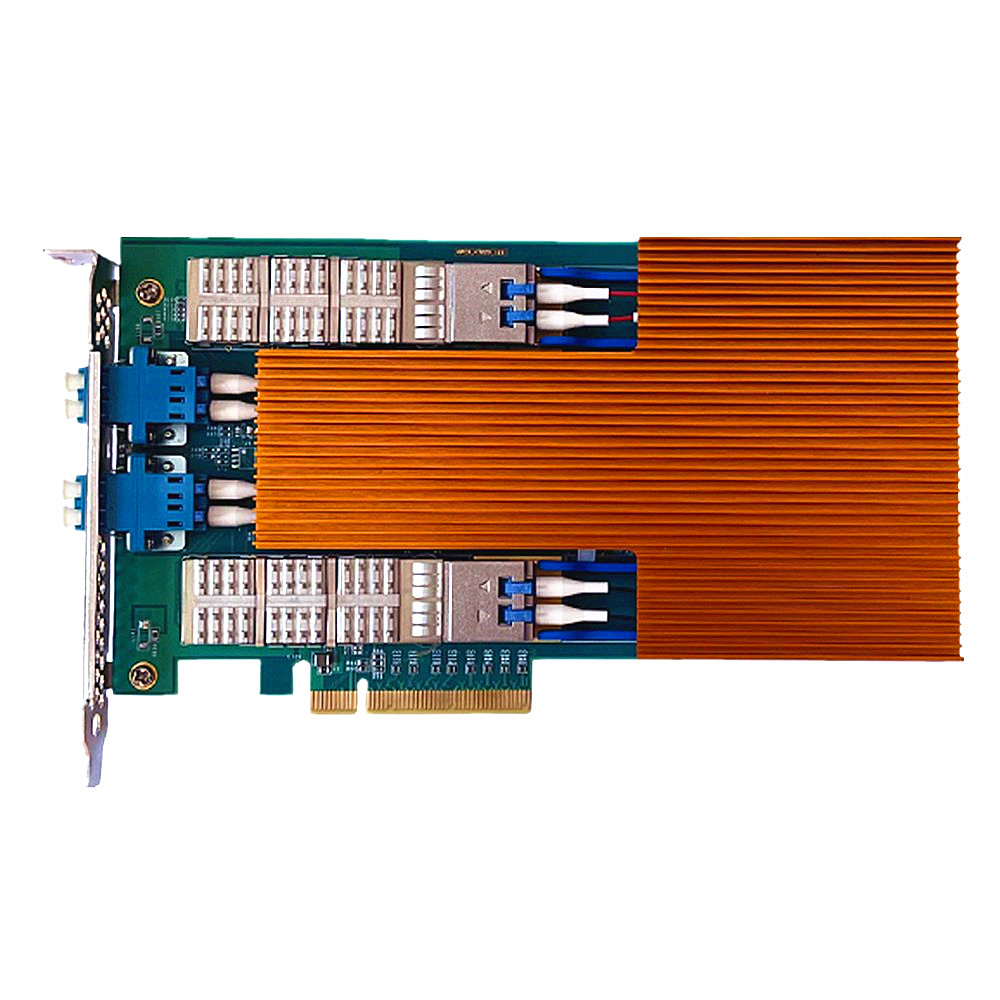
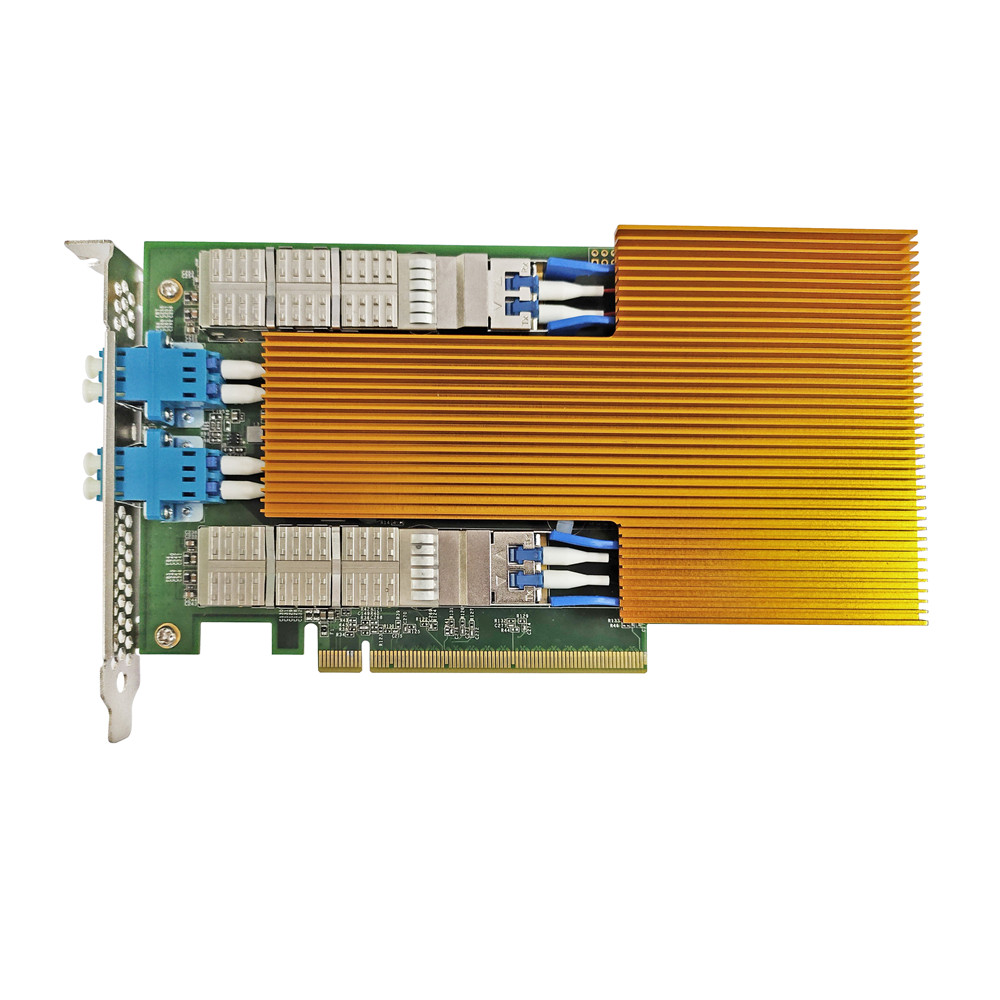
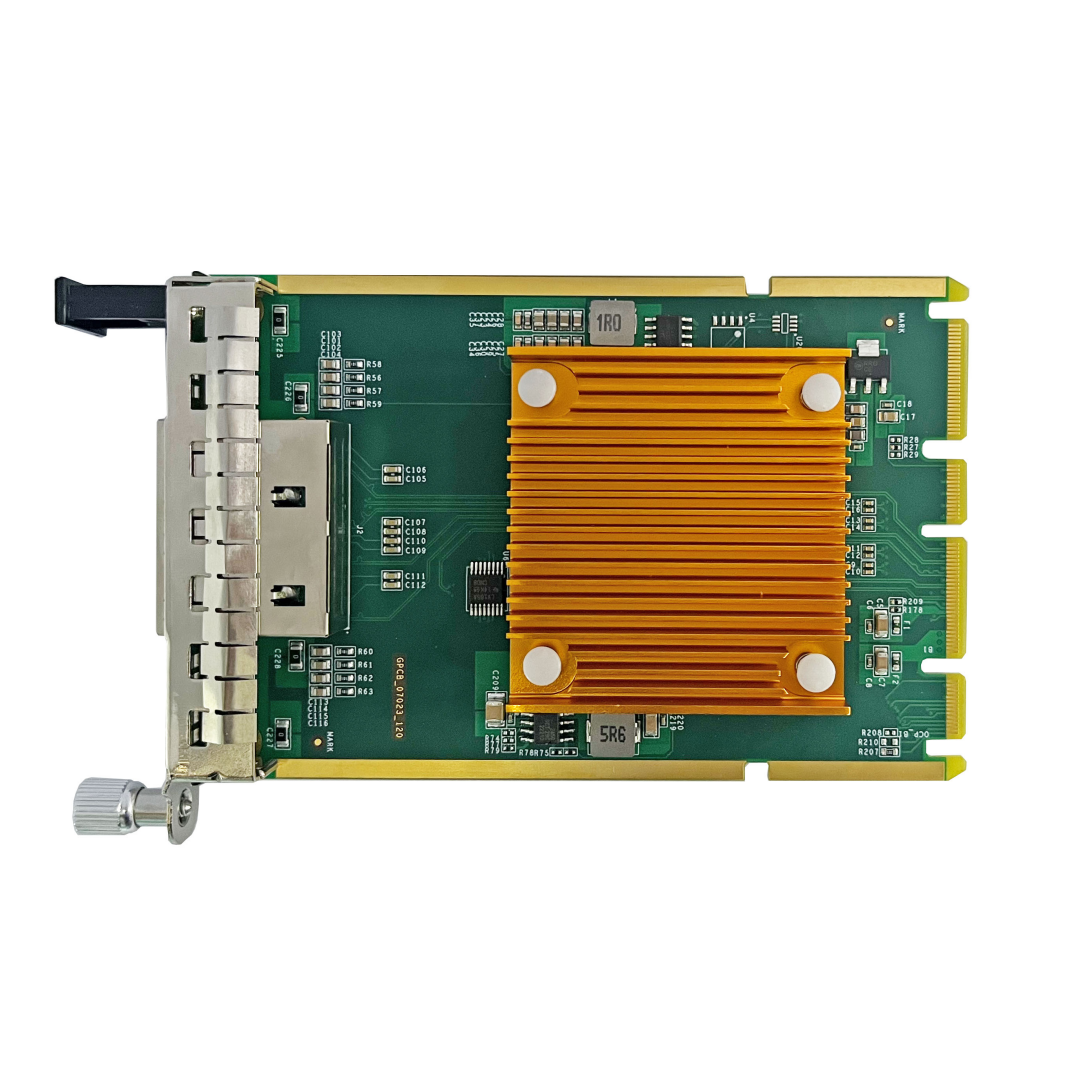
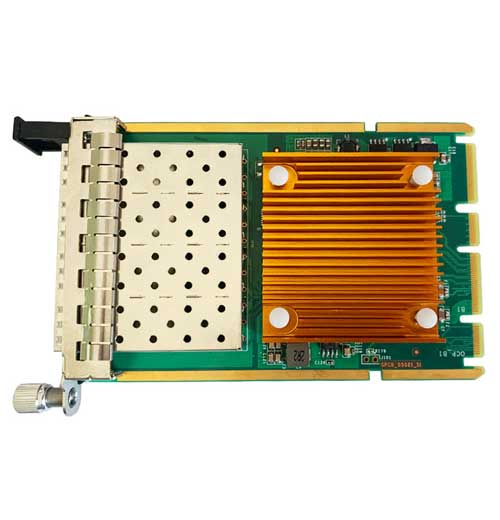
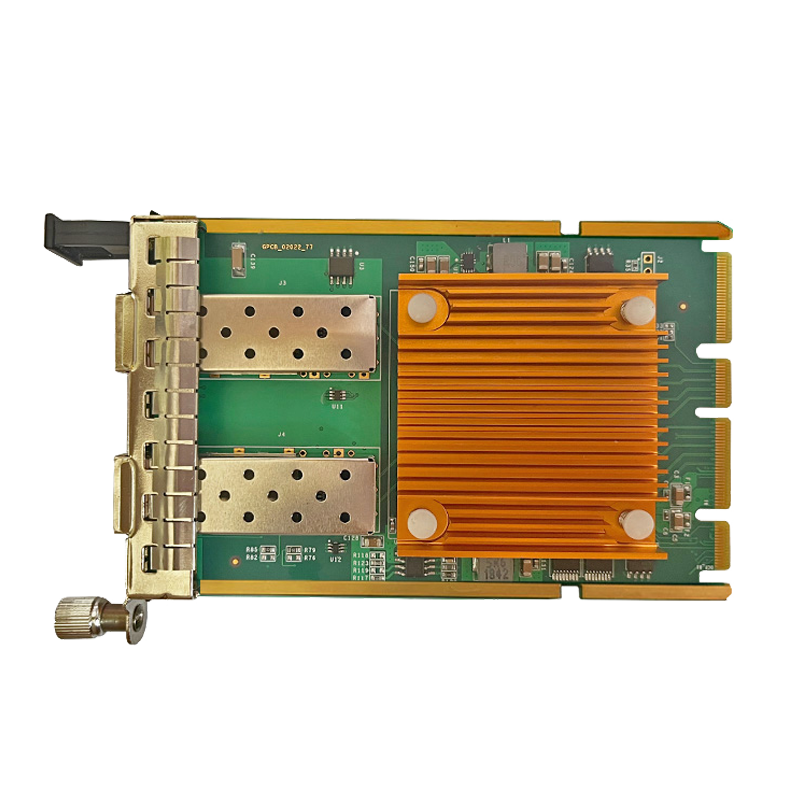
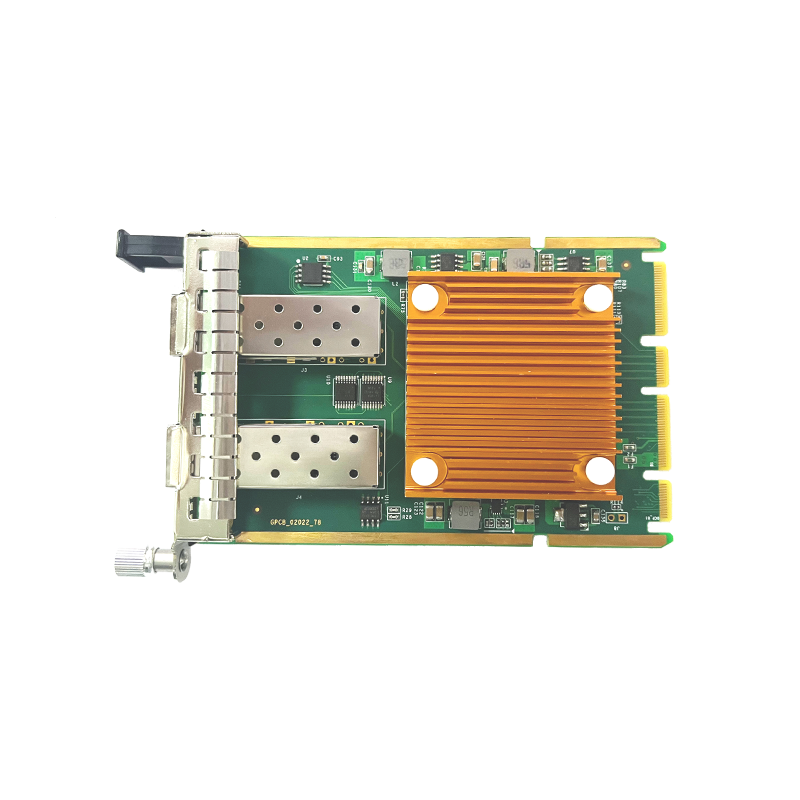

Guangruntong gigabit quad-port network card with dual-path bypass: a troubleshooting solution for data center operations and maintenance
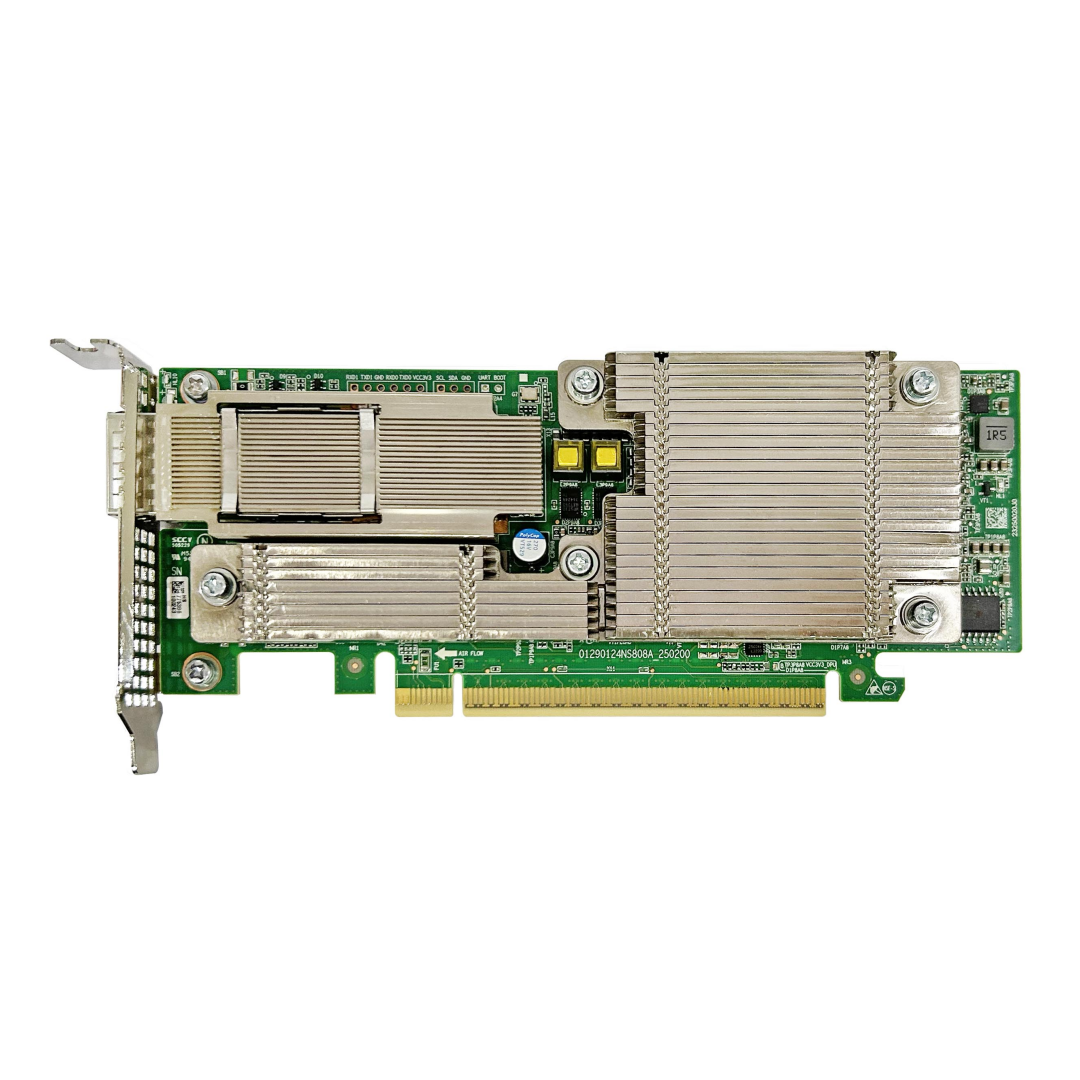
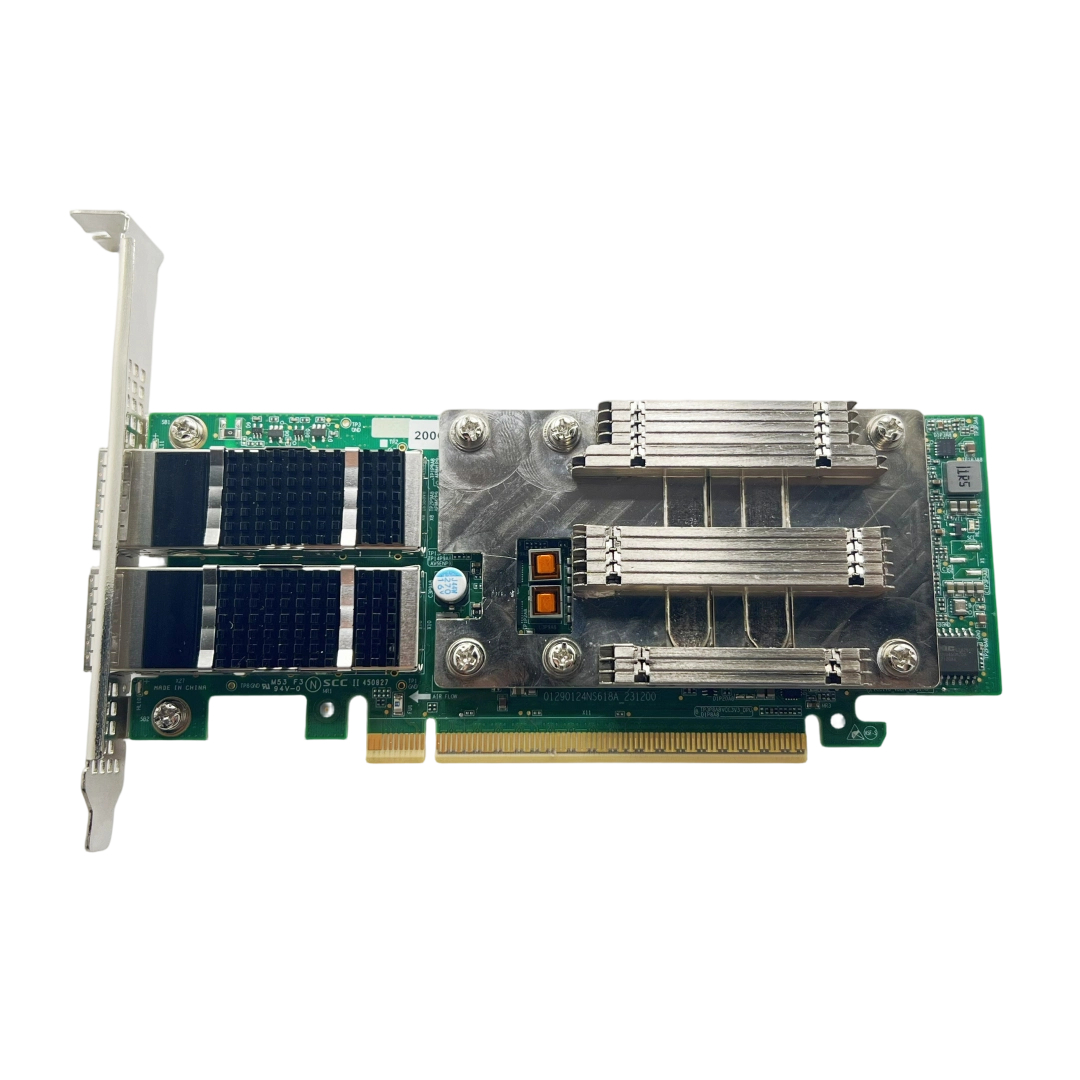
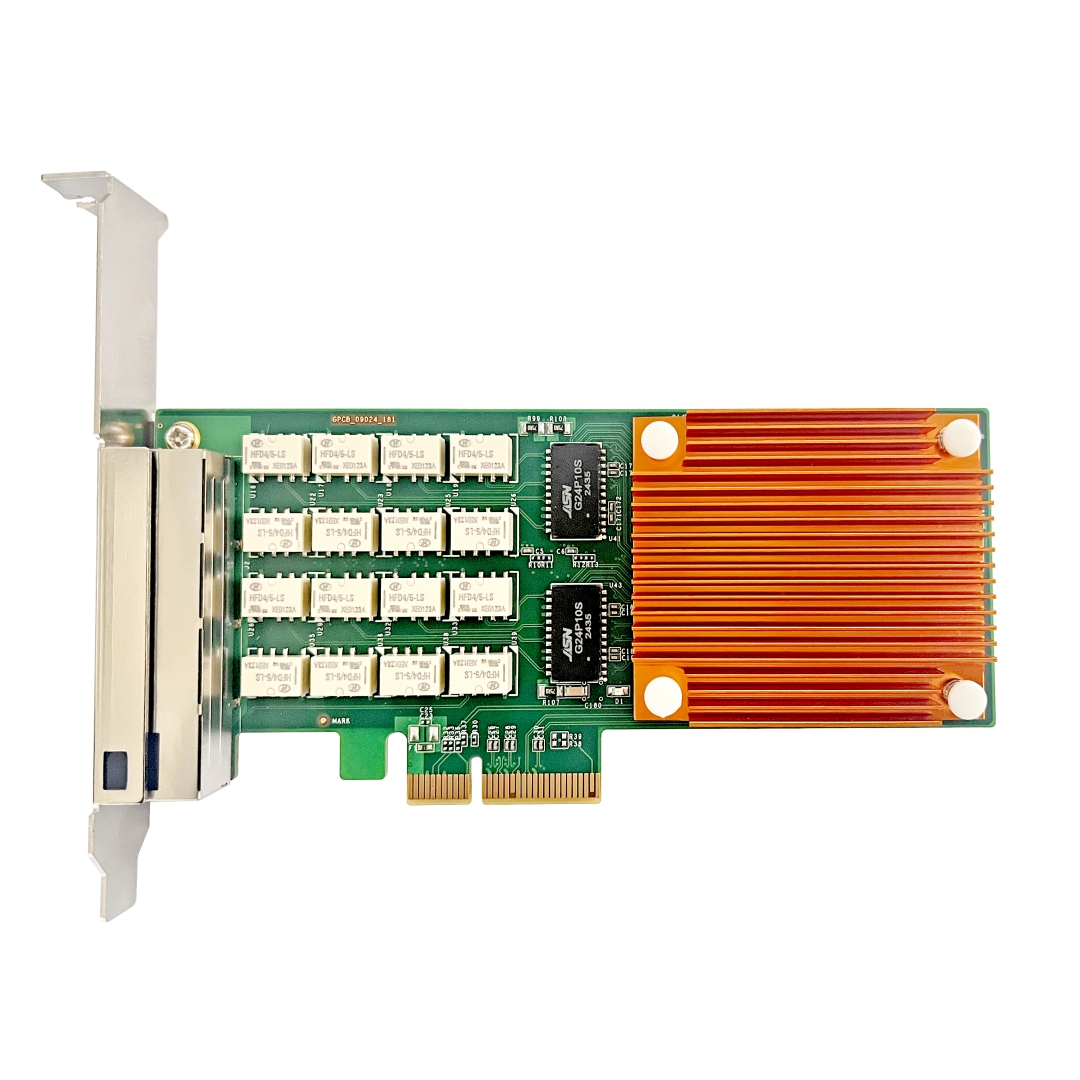
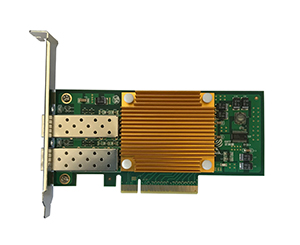
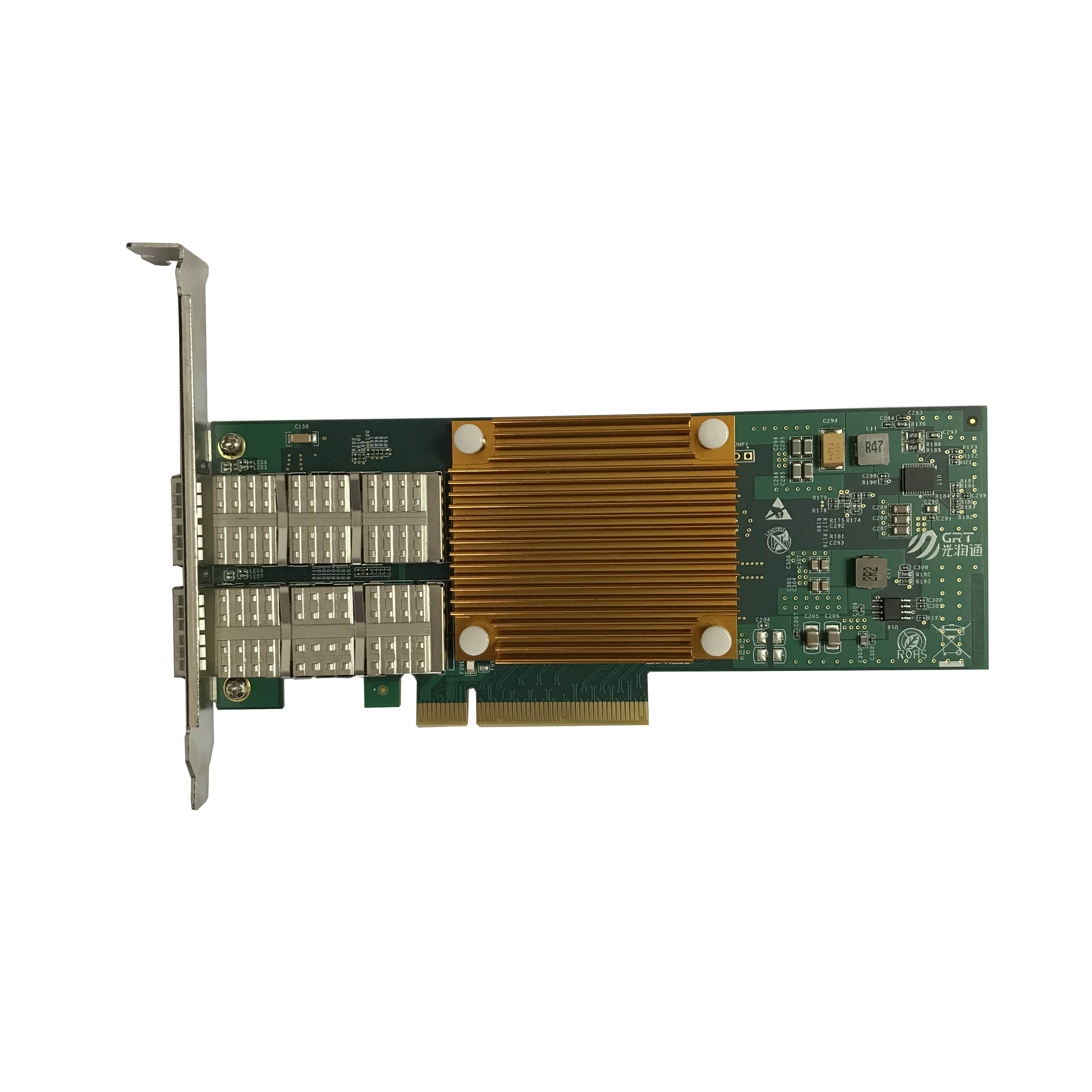
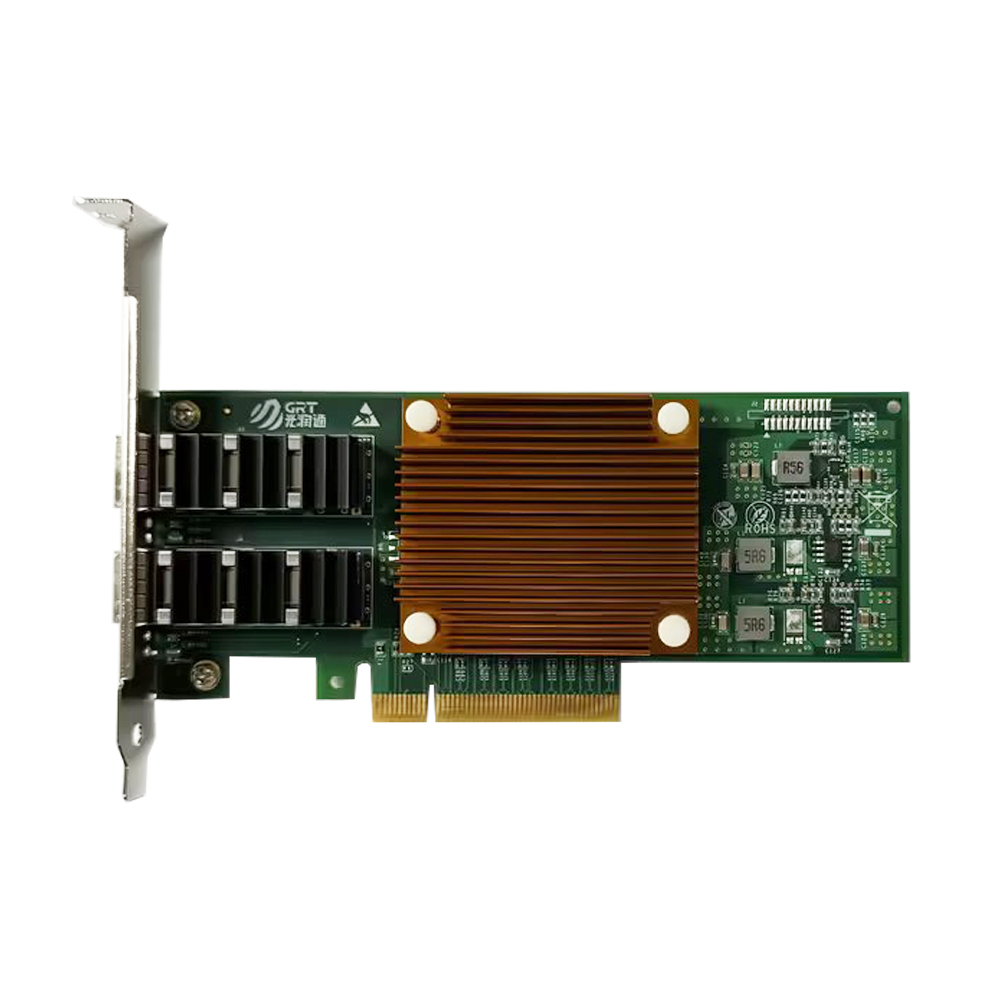
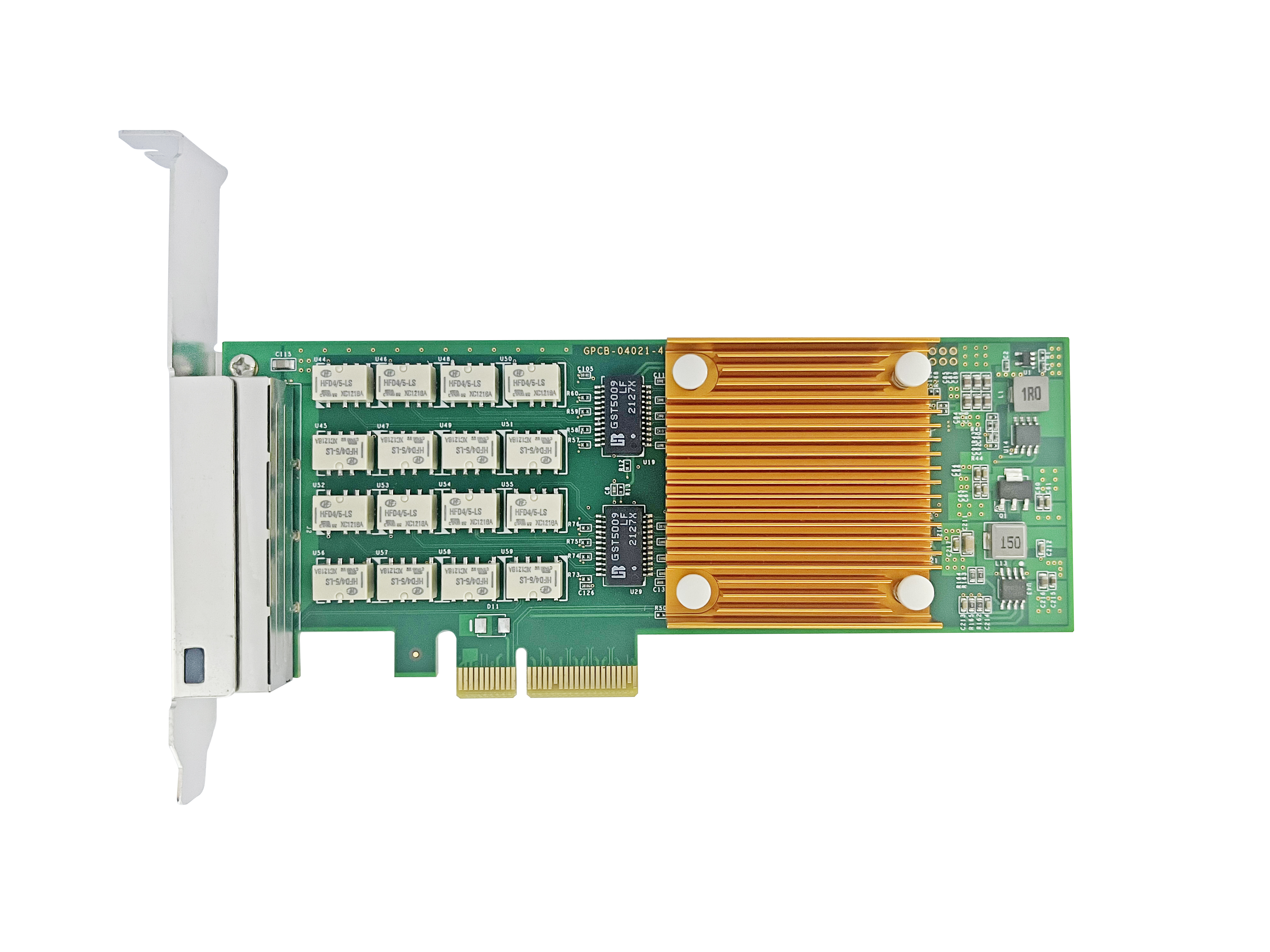
< BackData center maintenance professionals are certainly familiar with this kind of critical failure: a server suddenly crashes, the network link is instantly interrupted, and the business department keeps calling for help. While troubleshooting in front of the rack, it's discovered that a network adapter failure caused the entire link to collapse. If you've ever experienced this predicament, then you absolutely must talk about the Guangruntong GH-904TBP-V3.0 Gigabit Dual-Side Quad-Port Bypass Network Adapter—this powerful device with built-in "link bodyguard" properties not only solves the problems of insufficient ports and excessive power consumption of ordinary network adapters, but also uses the bypass function to safeguard the last line of defense during failures, making it an essential configuration for servers.
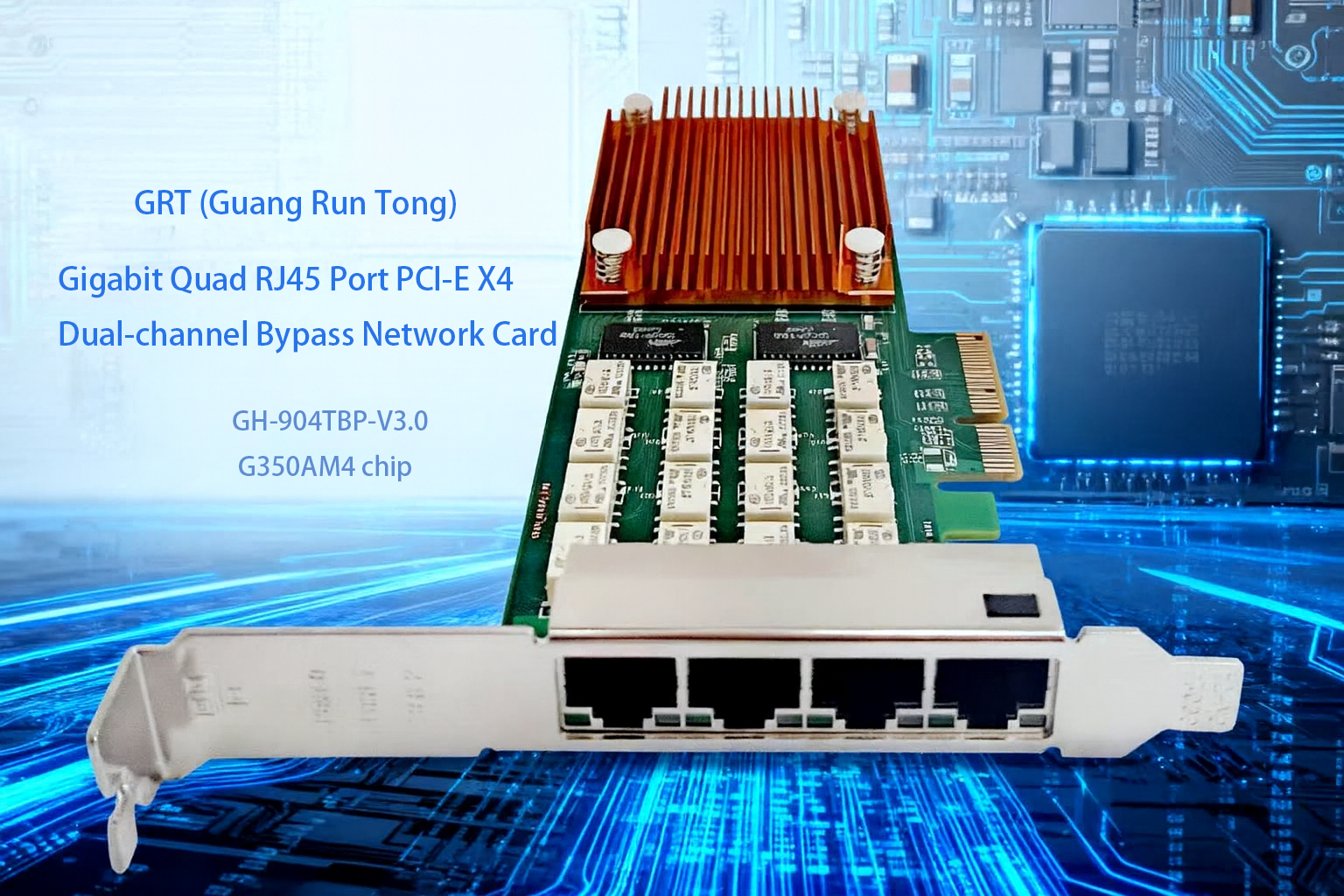
As a fully domestically developed network card, the GH-904TBP-V3.0 is equipped with Guangruntong's self-developed G350AM4 Ethernet controller, and its most core highlight is the dual-port Bypass design. This is not just an ordinary network expansion card, but an intelligent link guardian that can “automatically switch” in critical moments. Whether it’s upgrading a small-to-medium-sized data center or deploying at key nodes within a data center, once installed, it provides "double protection" for the network.
How powerful is the dual-port Bypass? Let’s consider a real-life scenario: During an upgrade of a local armed police data center, a typical four-port network card was used for the firewall deployment. When a power outage occurred, the firewall went down, causing the entire internal network to be interrupted for nearly 20 minutes. After replacing it with the GH-904TBP-V3.0, during one maintenance session, the server power was intentionally cut off, and a miracle happened — the Bypass function was automatically activated. Two adjacent ports immediately established a physical link, and data transmission was unaffected. This is the core value of Bypass: when a server fails, power is lost, or software crashes, the network card can automatically bypass the faulty device, keeping the network link intact and completely solving the issue of “single points of failure causing complete network paralysis.”
Even smarter is its three-mode operation switching. In normal mode, the four RJ45 Ethernet ports operate independently, allowing for the connection of business networks, management networks, and storage networks to achieve network isolation without the need for multiple network cards and slot congestion. In Bypass mode, the two independent links automatically interlink, with ports 0 and 1, and 2 and 3 forming redundant links, transmitting data packets directly to adjacent ports with latency controlled to the microsecond level. The Disconnect mode simulates a link disconnection, making it easier for maintenance personnel to troubleshoot online without the need to unplug cables. The built-in WDT watchdog timer is even more considerate, supporting programmable timeout intervals from 100 milliseconds to 3276.8 seconds. If a system anomaly is detected, it automatically triggers the Bypass switch, responding much faster than manual intervention.
In addition to the core Bypass function, its fundamental performance is also top-notch. All four gigabit Ethernet ports support 10/100/1000Mb/s adaptive speeds, paired with the IEEE 802.3 auto-negotiation mechanism, allowing them to automatically match the speed when connecting to switches, storage devices, or firewalls. Even beginners in network maintenance can use it without a hitch. The PCI-Express 2.1 x4 interface provides a bandwidth of 5GT/s, combined with Direct Memory Access (DMA) technology, allowing data to be transferred directly, bypassing the CPU. When using an ordinary network card to handle concurrent requests from 100 terminals, latency would spike to 80ms, but with this card, it remains stable at under 10ms, even in high-concurrency scenarios. Its half-height and full-height bracket designs are more user-friendly, making it compatible with both low-profile rackmount servers and high-profile tower servers without the need to purchase additional accessories.
When it comes to the compatibility concerns most important to domestic data centers, this card delivers a perfect answer. Whether it’s mainstream Linux systems on the x86 platform such as CentOS 6.6~8, RedHat 6.6~7.4, or domestic architecture combinations like Shenwei + Deepin, Kunpeng + Zhongbiao Kirin, Loongson + Zhongbiao Kirin, or Feiteng + Galaxy Kirin, it is seamlessly compatible. Just plug it in, and the driver is automatically recognized — no need to find third-party adaptation packages. During a domestic enterprise data center upgrade, it was tested alongside three other network cards, and only this one perfectly supported the Feiteng platform with the Galaxy Kirin system, reducing the debugging time from a full day to just half an hour. Its PXE remote boot function also greatly improves operational efficiency, allowing dozens of servers to boot remotely over the network without needing to plug in USB drives, cutting overtime work by half.
Its energy efficiency is also worth mentioning. The rated power consumption is just 6W, more than 40% lower than traditional four-port network cards. It also supports IEEE 802.3az energy-efficient Ethernet technology, which automatically reduces the power consumption of the PHY chip when the network is idle. After replacing the cards in a medium-sized data center with 20 servers, the electricity bill dropped by nearly 400 yuan per month, saving almost 5000 yuan per year. The low power consumption also brings thermal advantages, with surface temperatures remaining stable at around 40°C, meaning that additional fans are unnecessary in the server rack during the summer, and the equipment’s lifespan has been extended by over 20%.
In terms of quality, it is truly tested and proven. As a leading domestic optical communication brand, Guangruntong’s products have already been deployed in critical scenarios such as the Beijing Olympic Network Center, the Shanghai World Expo Network Security Platform, and the Tiangong-1 Satellite Test Center. The GH-904TBP-V3.0 has also passed international certifications such as RoHS, CE, and FCC. Its open-source API design supports secondary development, allowing the Bypass function to be deeply integrated with existing NIC features to meet customized needs. The after-sales service is equally attentive, with a technical hotline (010-51626348, extension 8003) providing rapid responses, solving compatibility issues within half an hour.
If you are a small-to-medium-sized data center operator looking to address multi-port expansion and link redundancy issues; if you are responsible for firewall or gateway upgrades and require business continuity during failures; or if you are working on domestic server compatibility and are concerned about compatibility and autonomy — the GH-904TBP-V3.0 is the perfect match.
Latest information
- The Hidden Relationship Between NIC Heat Dissipation and Data Center Cabinet Layout
- Why are serpentine traces designed on the NIC PCB board
- NIC and Operating System Ecosystem Adaptation: From Hardware Compatibility to Win-Win Performance
- NIC Hardware Offload Technology: Let Server CPU Focus on Business Computing
- Network Card Driver: The Invisible Bridge Between Hardware and Operating System
- Understanding the Partners in Fiber Links: Optical Modules and Optical Fibers
- How to Select NICs for Virtualization Environments to Achieve Performance Isolation and Resource Allocation
- What are FCC, CE and RoHS on Network Cards