Sign in



Performance Test Report of GRT Network Cards on China's Domestic Kunpeng Servers
< BackPerformance Test Report of GRT Network Cards on China's Domestic Kunpeng Servers
As China's localization efforts advance, Kunpeng servers based on the ARM architecture are gaining widespread adoption in data centers, cloud computing, and big data analytics. To meet modern networks' demands for high performance, low latency, and high bandwidth, network hardware performance testing has become a critical component in evaluating overall system capabilities. This paper provides a detailed evaluation of GRT network card performance on Kunpeng servers, focusing on testing and analysis of throughput, latency, resource utilization, and network protocol support.
- Test Environment and Tools
To ensure scientific rigor and accuracy, the following test environment and tools were selected:
Test Platform: Kunpeng920 server based on ARM architecture, equipped with the latest operating system and drivers.
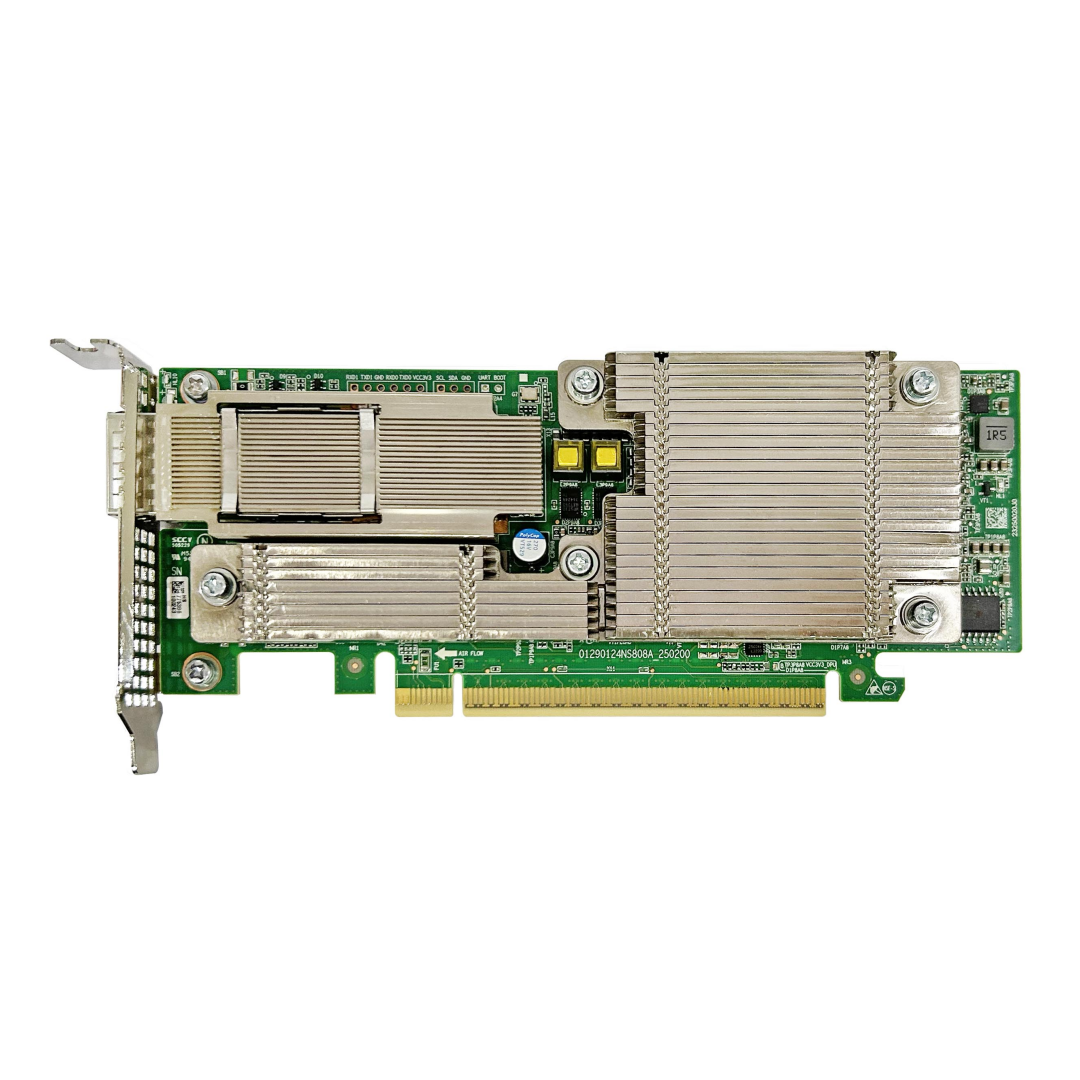
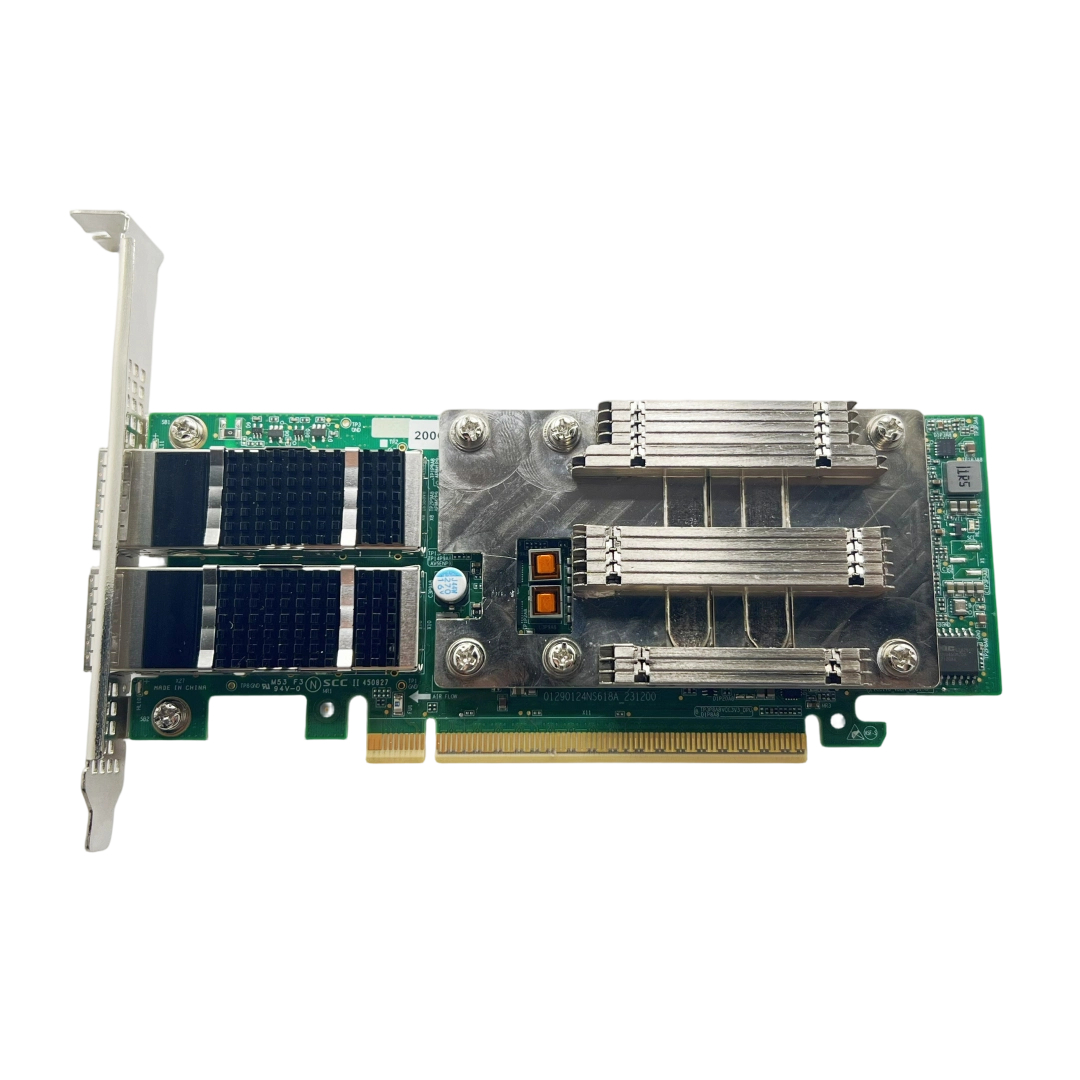
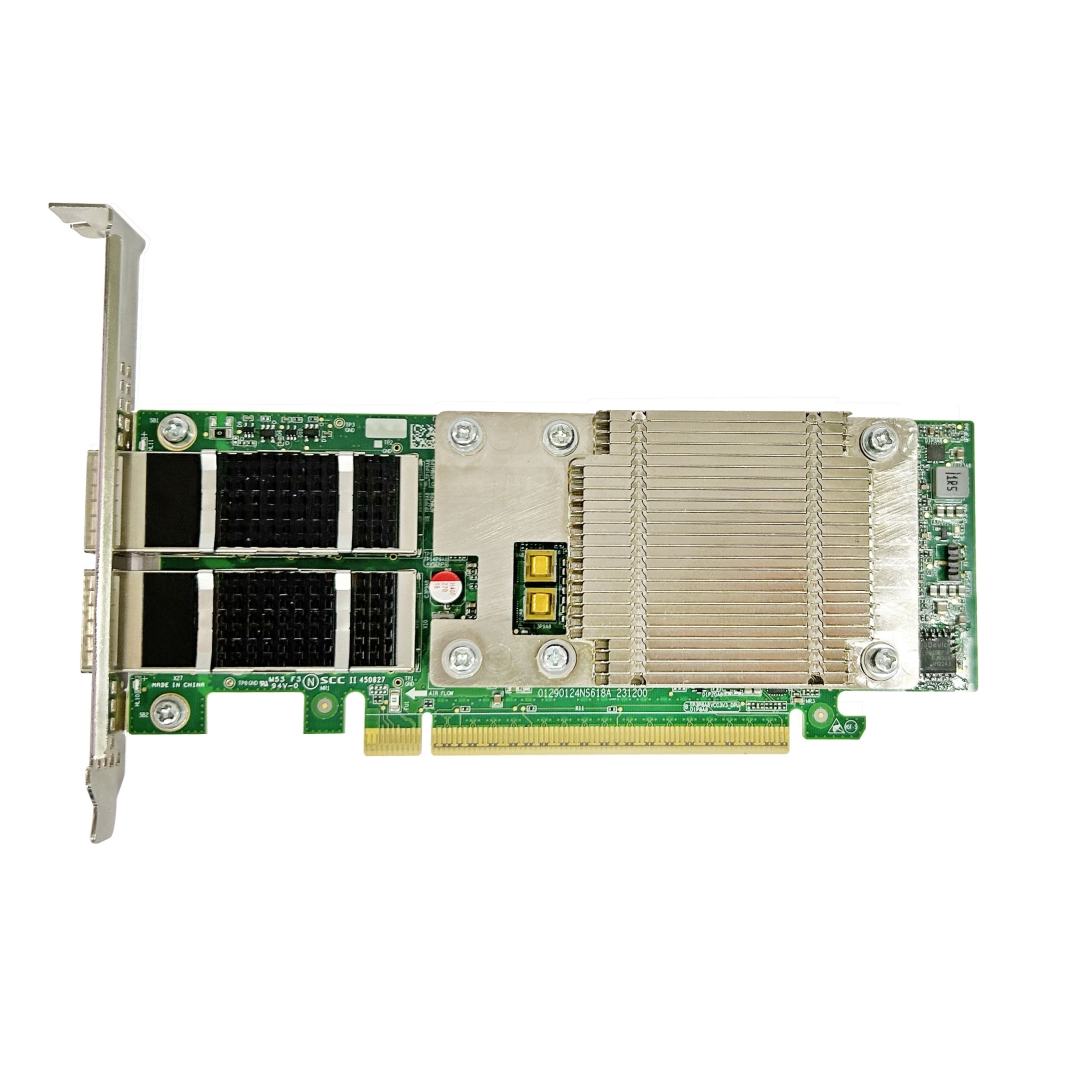
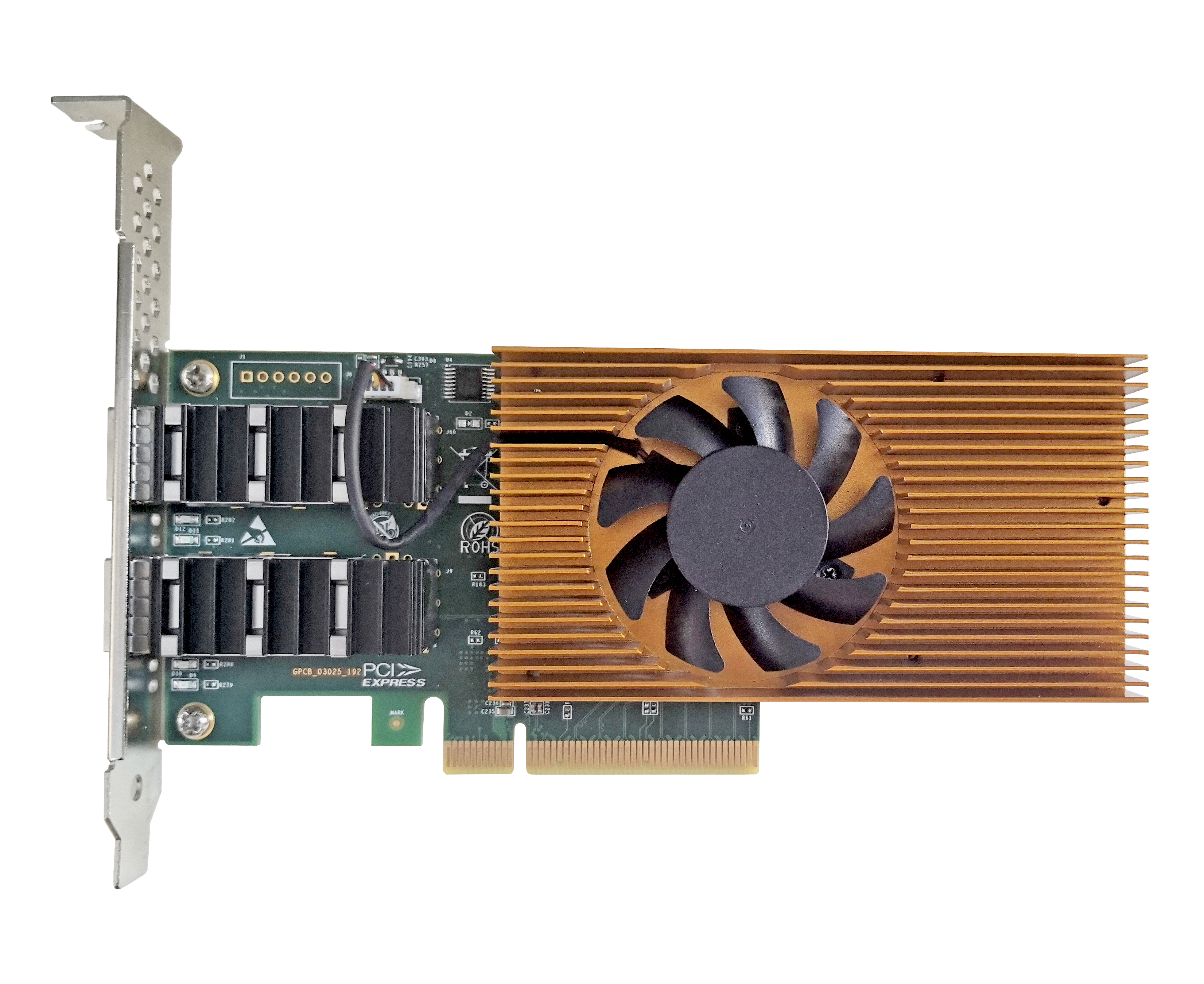
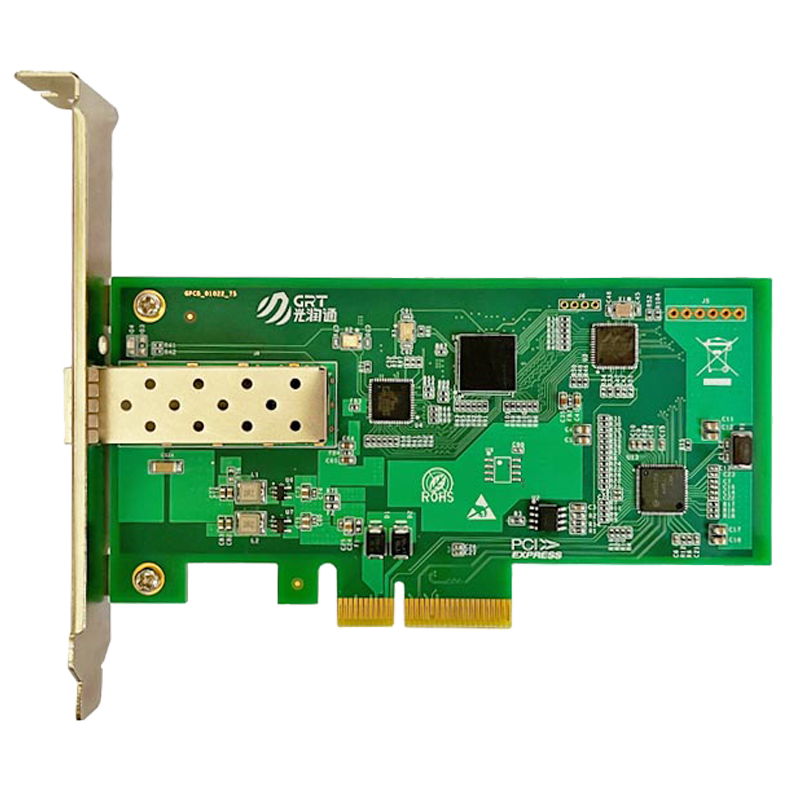
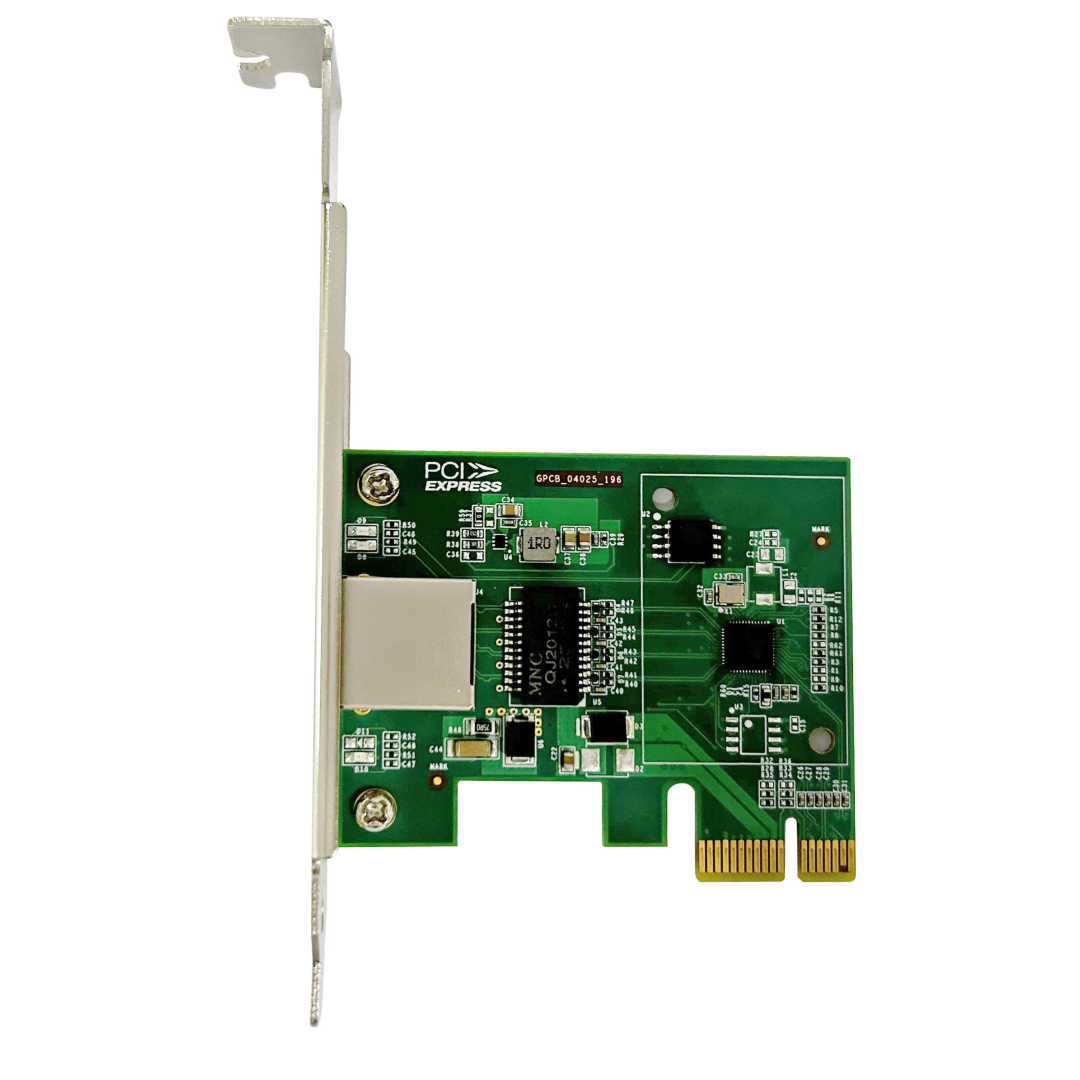
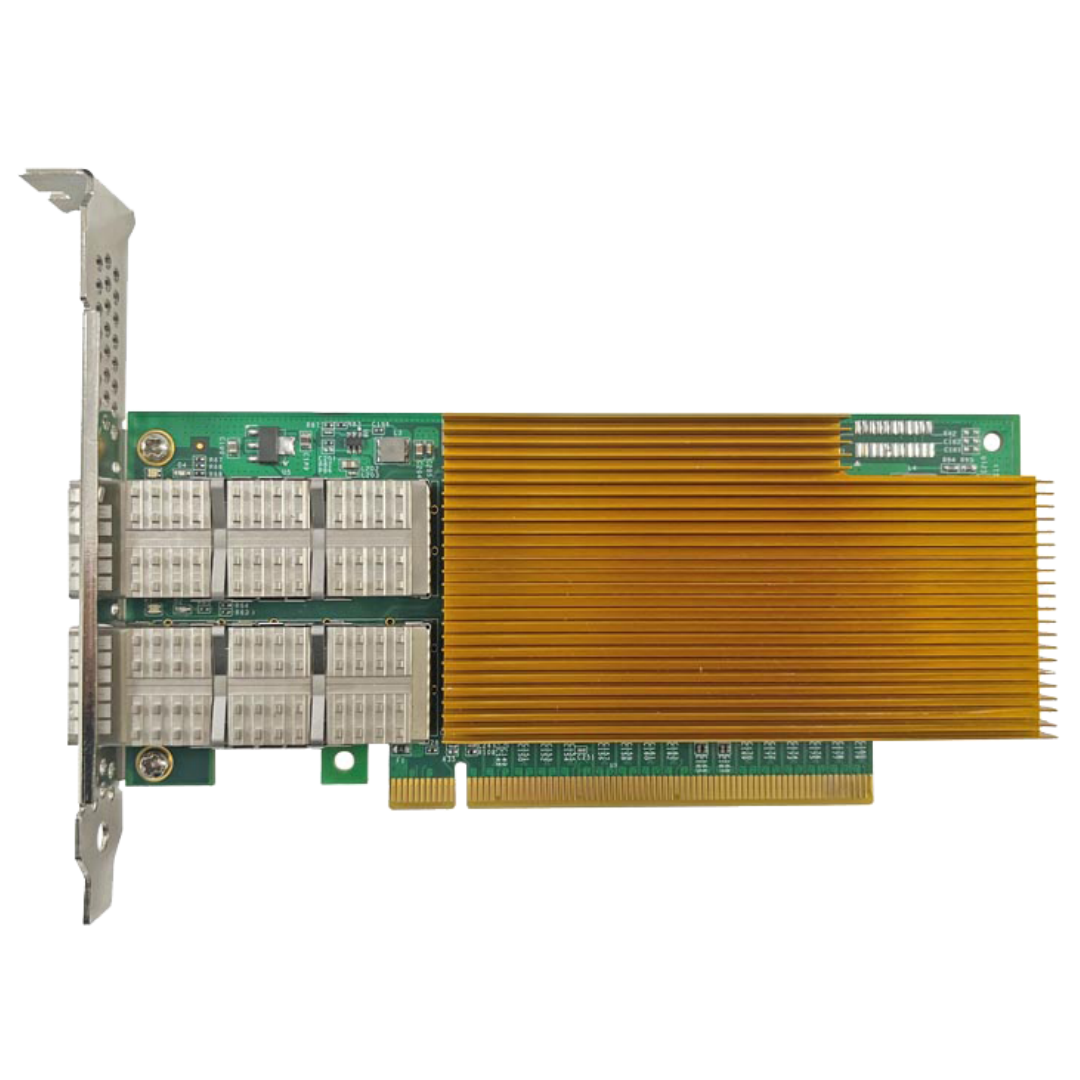
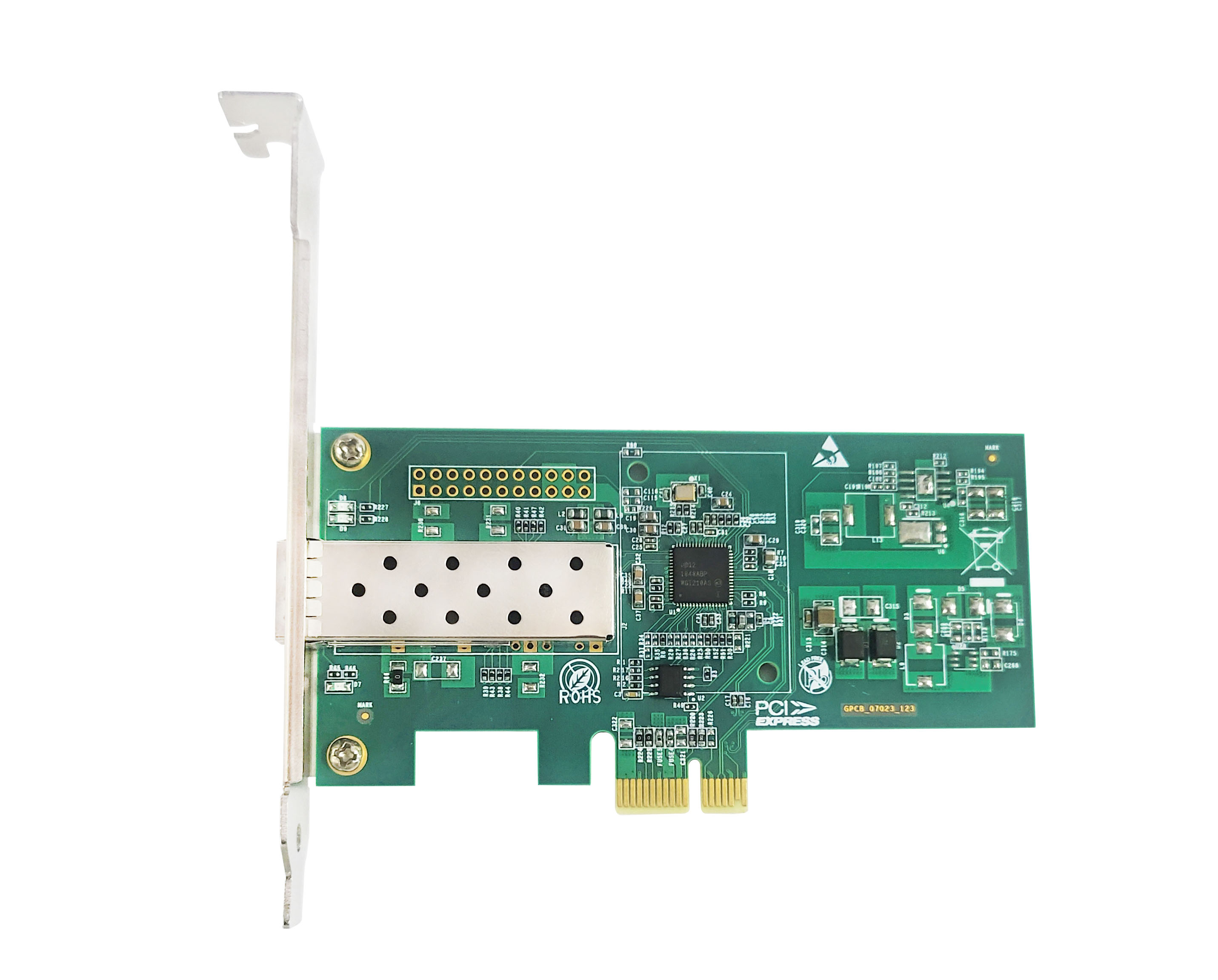
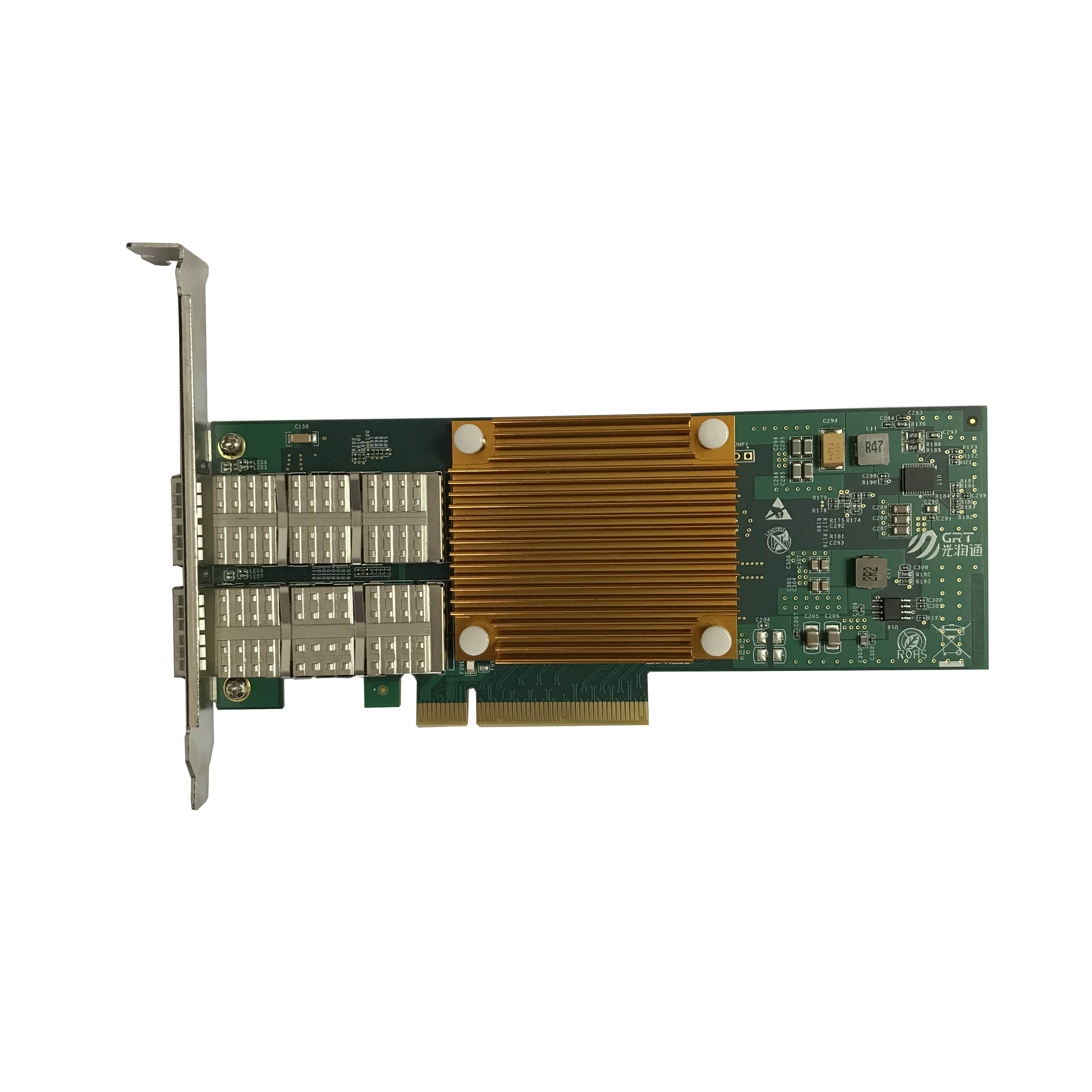
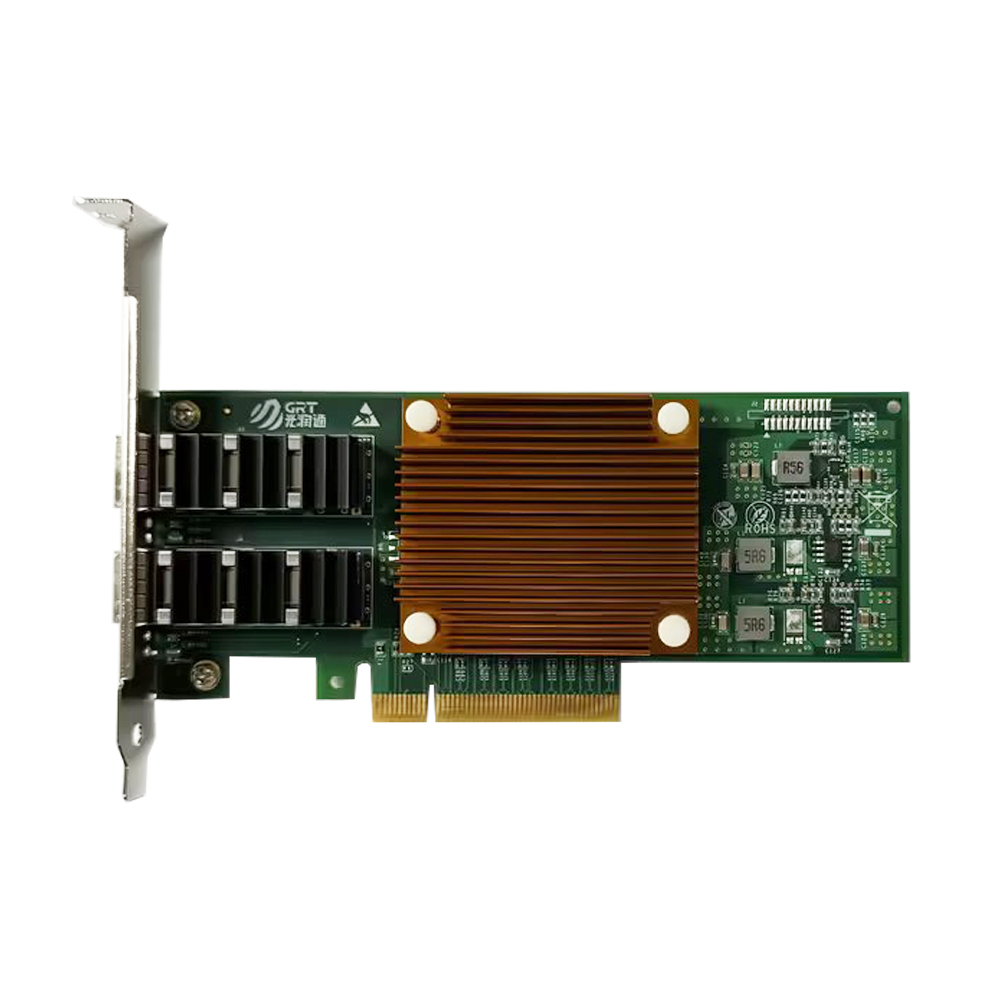
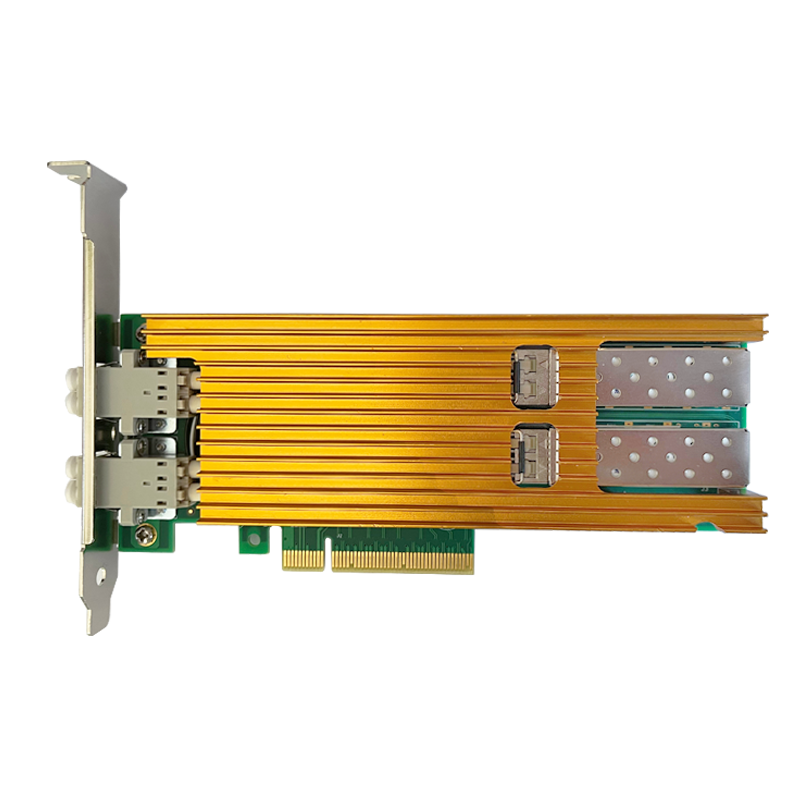
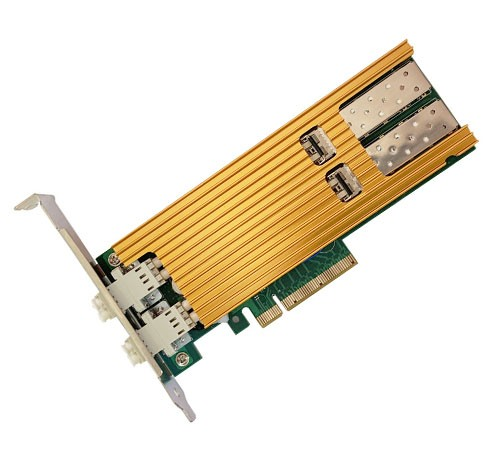
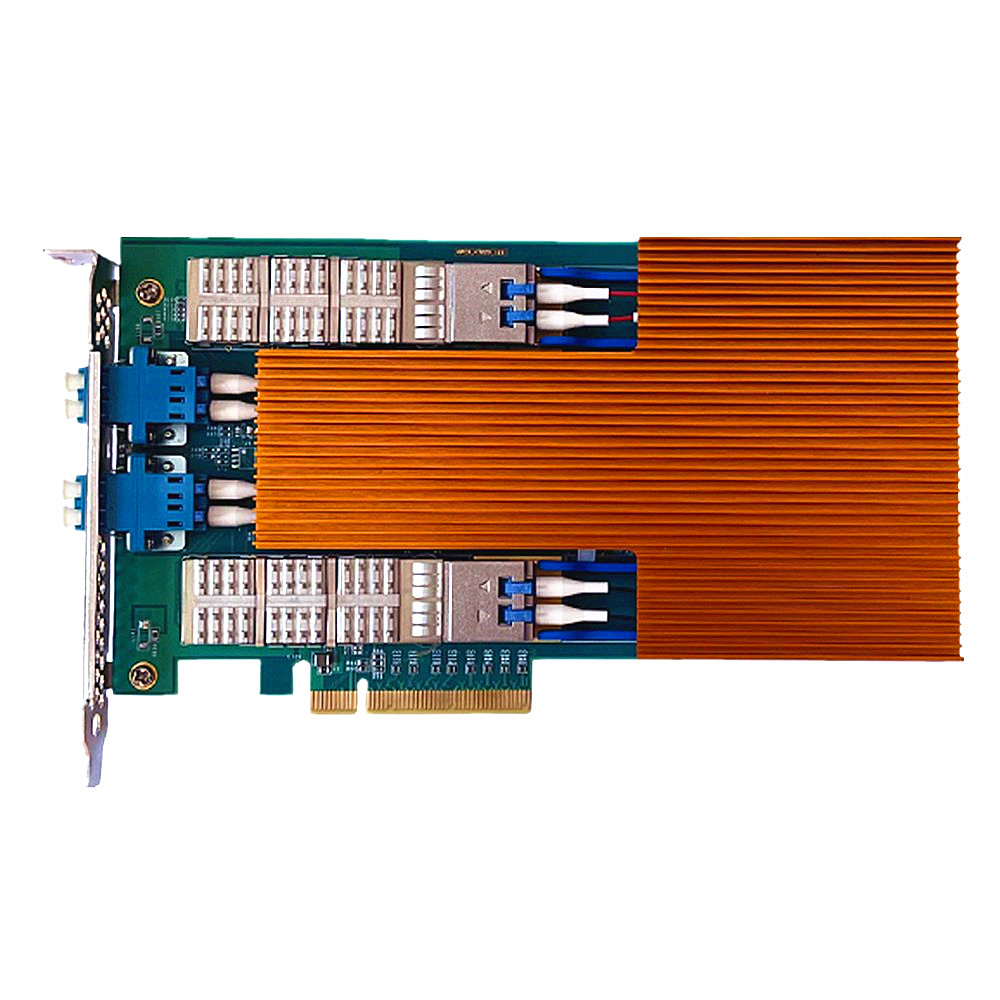
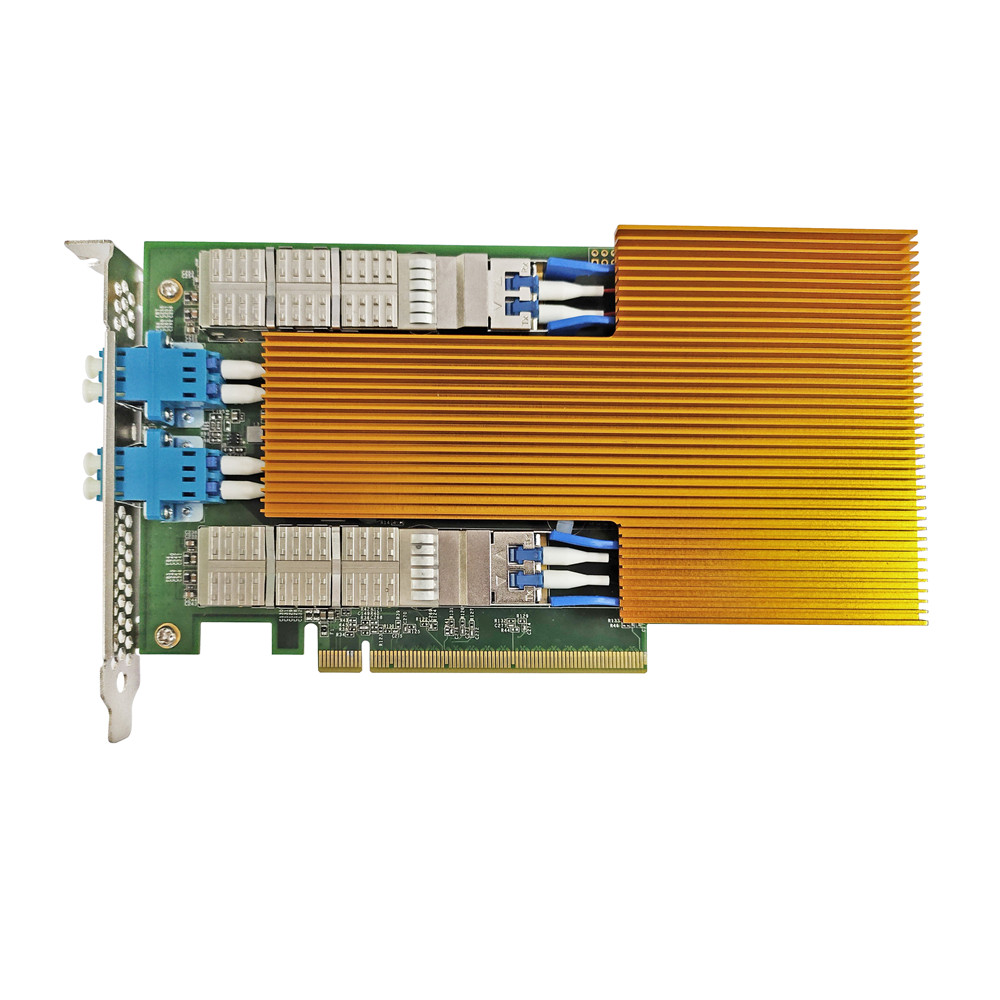
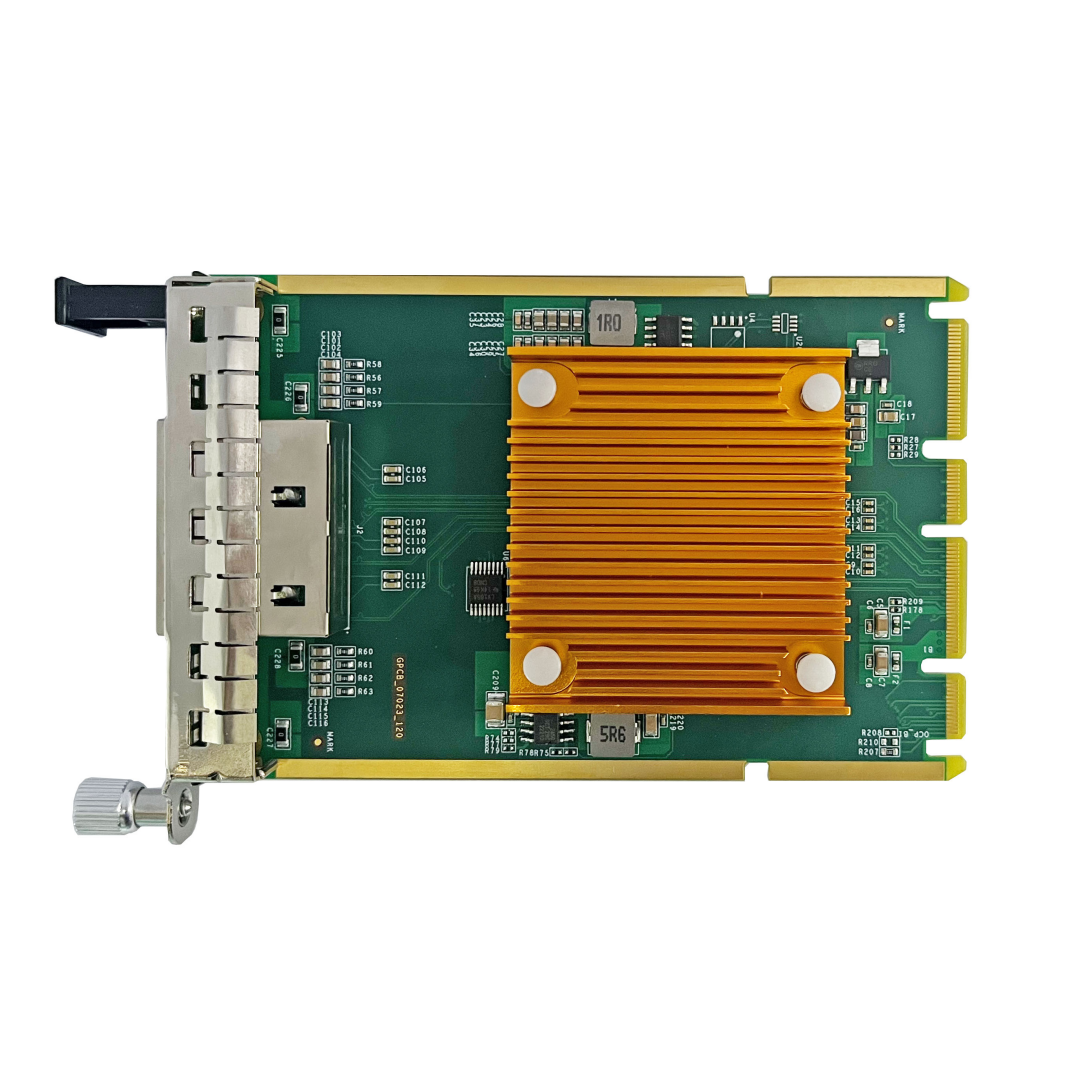
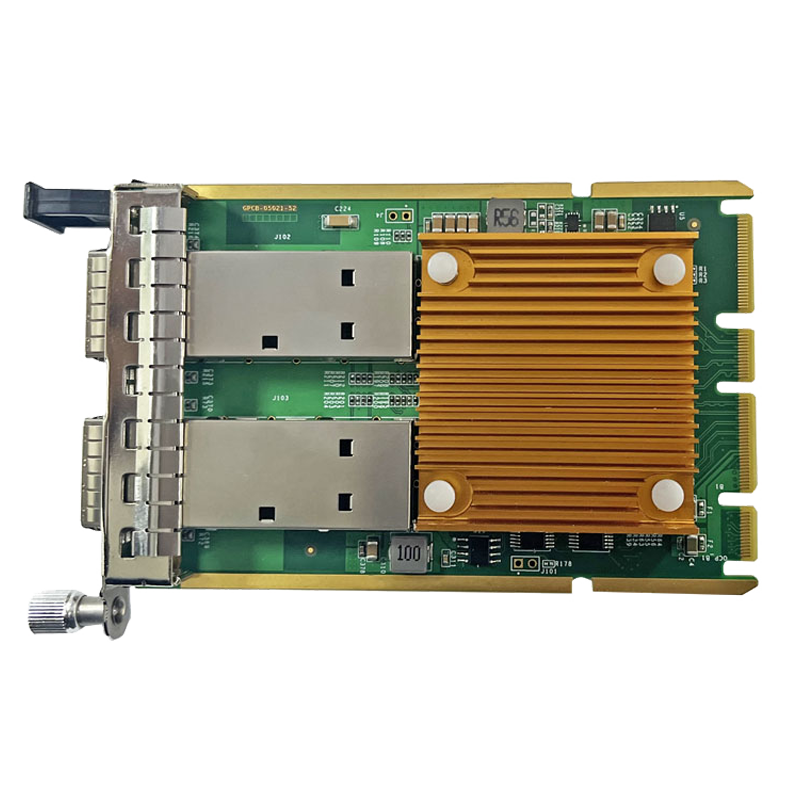
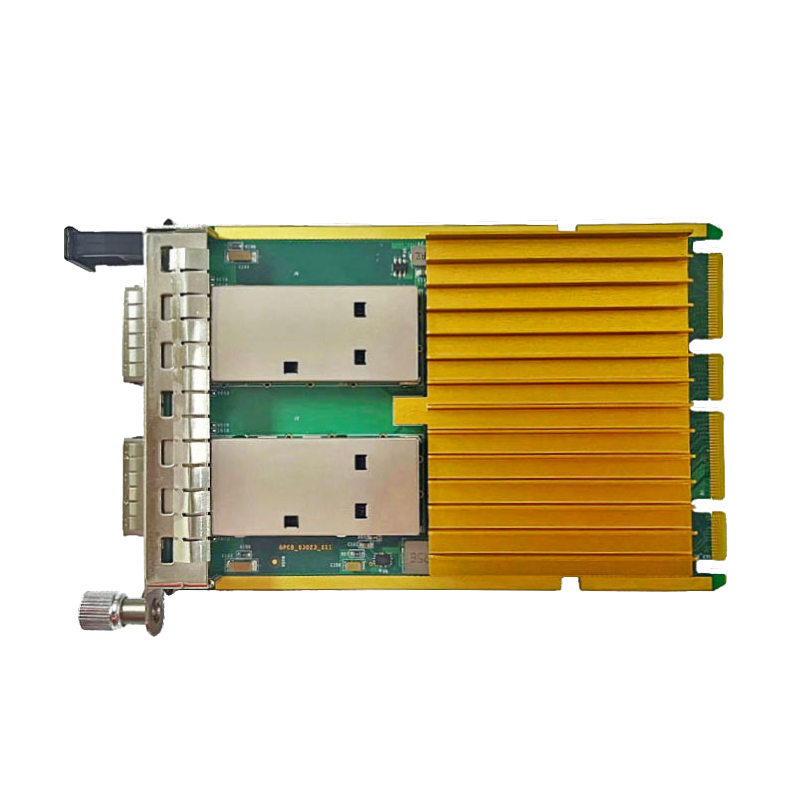
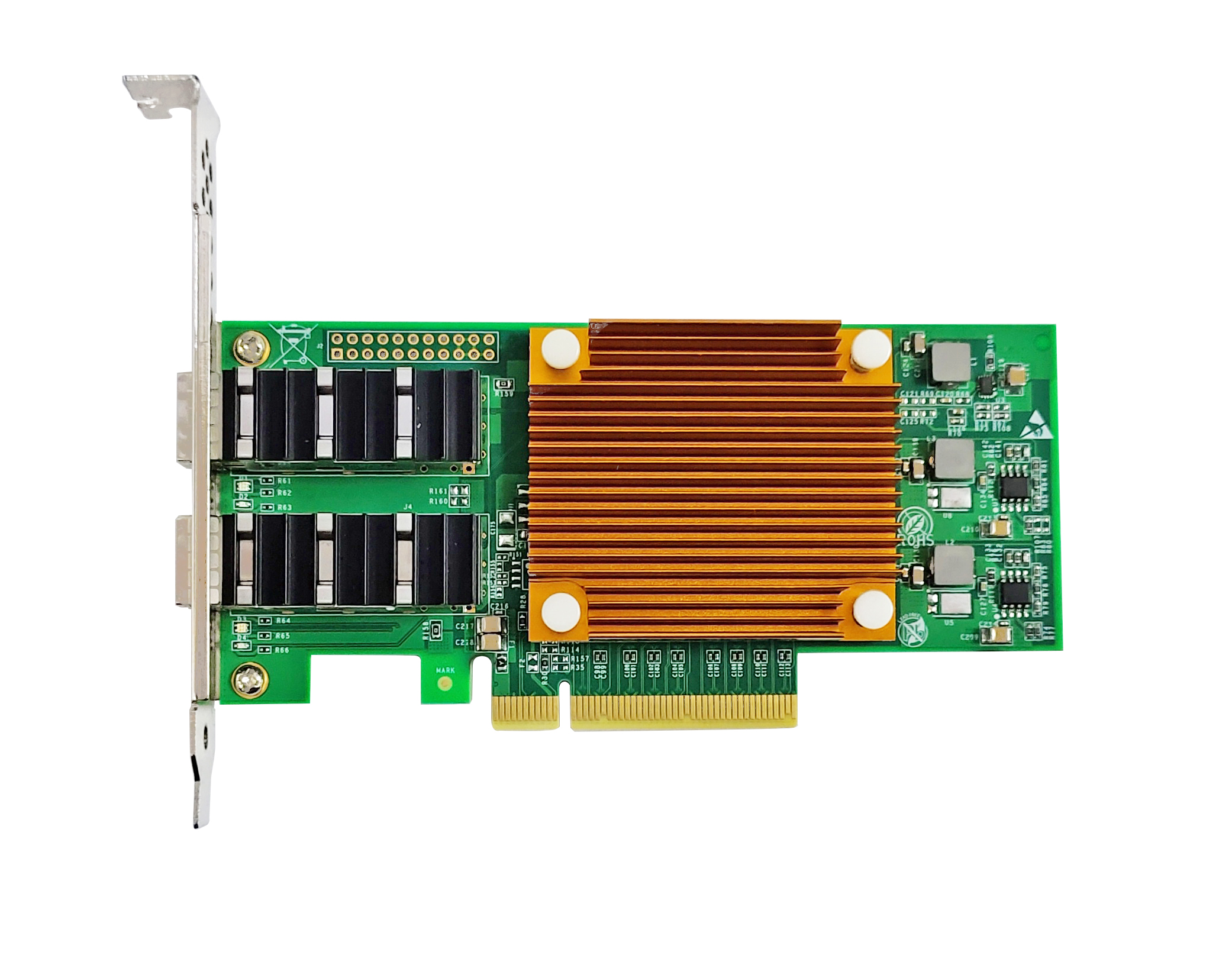
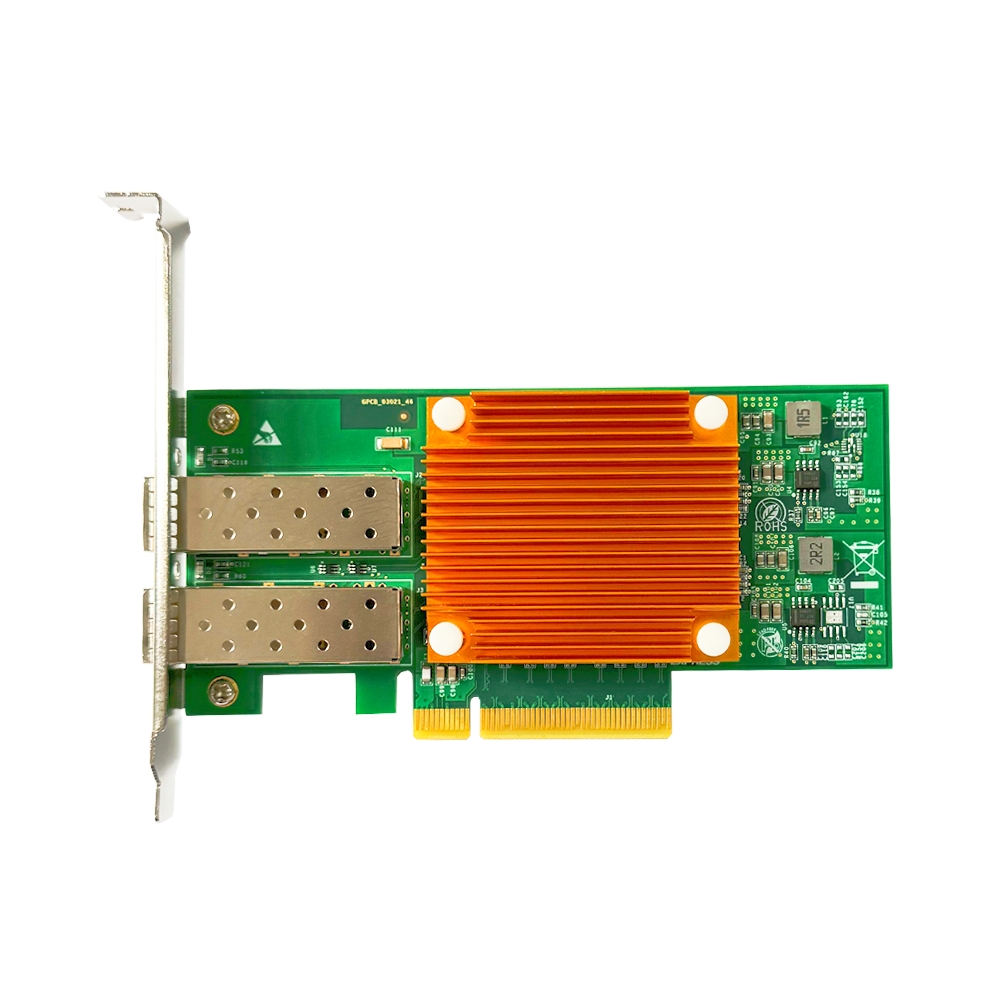
Network Card Device: GRT's 100GbE high-performance network adapter (FF-1102E-V3.0).
Network Topology: Two Kunpeng servers interconnected via fiber optic links, each equipped with a GRT network card.
Testing Tool: iPerf3 tool.
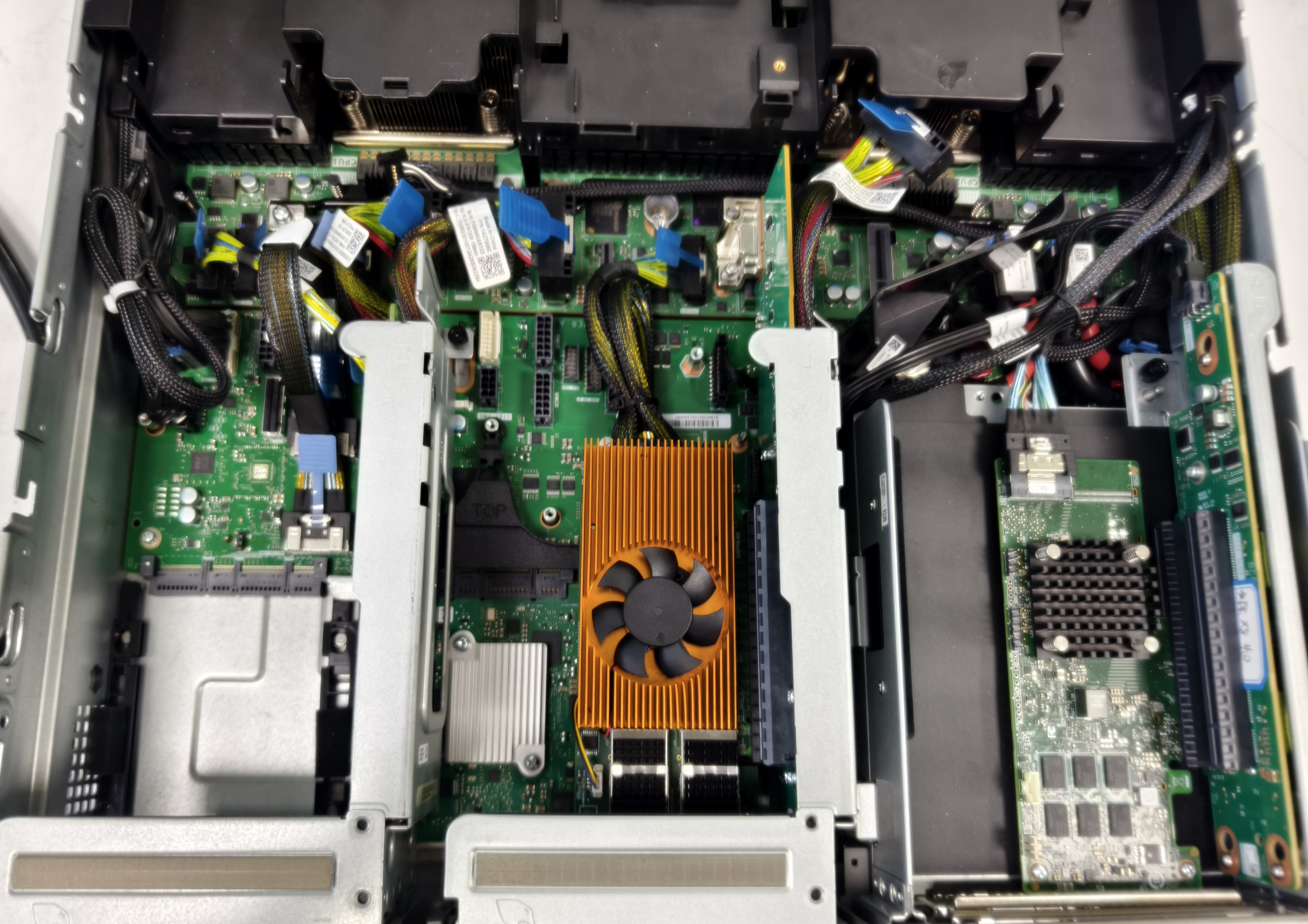
The test scenarios simulated common enterprise data center demands for high concurrency, low latency, and high bandwidth, encompassing multiple packet sizes, protocol types, and load conditions.
- Throughput Testing
Throughput is a key metric for evaluating network adapter performance, typically measured as the volume of data transferred per unit time. This test validated performance under various load conditions and packet sizes.
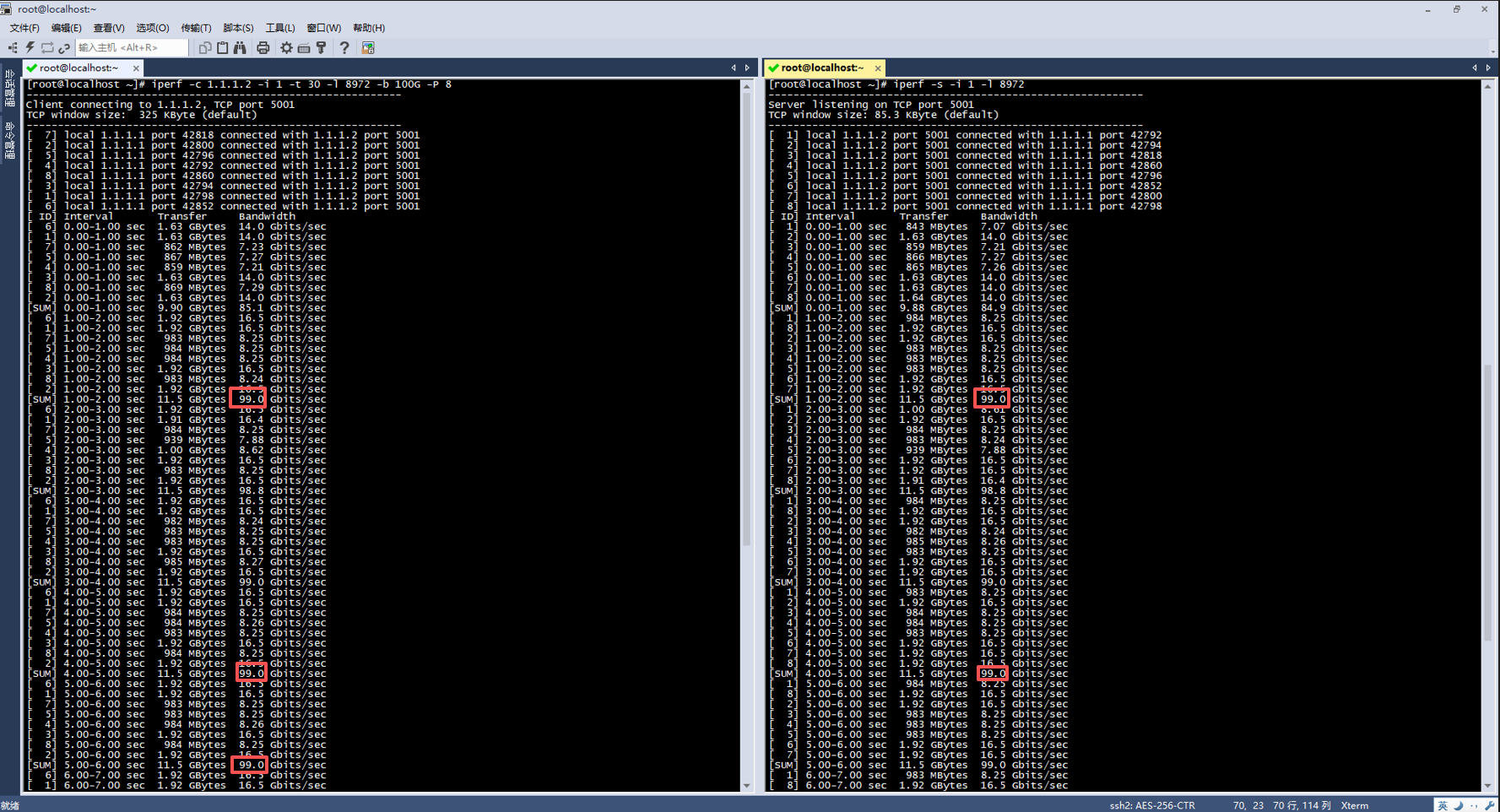
- High-Bandwidth Load: During the maximum 100Gbps bandwidth test, the GRT network card maintained a stable transmission rate close to 100Gbps, as shown in Figure 1 below, fully meeting the network bandwidth requirements of Kunpeng servers.
- Small Packet Testing: Under a 64-byte packet load, it still delivered stable performance. This result demonstrates the GRT network card's excellent handling of small packet loads, making it suitable for scenarios demanding low latency, such as high-frequency trading.
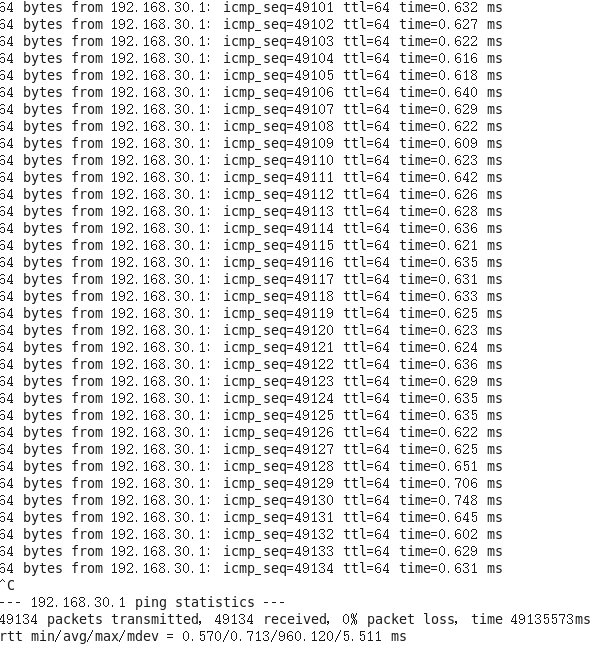
Test results indicate that the GRT network card's throughput approaches theoretical values, effectively providing the required network bandwidth for Kunpeng servers.
III. Latency Testing
Latency is a critical factor affecting the performance of real-time applications, particularly in cloud computing, big data processing, and financial transactions where low latency is paramount.
- Short-Distance Latency: In direct inter-server communication tests, the GRT network card demonstrated an average latency of approximately 0.6ms, meeting the demands of high-frequency trading and real-time data transmission.
Overall, the GRT network card delivers outstanding latency performance in Kunpeng server environments, making it suitable for latency-sensitive operations.
- CPU Load and Resource Utilization
The tests also focused on the impact of network traffic on Kunpeng server CPUs. By observing CPU utilization and load balancing under varying network loads, we analyzed the GRT network card's resource consumption on servers.
- Light Load Test: Under standard network traffic, Kunpeng server CPU load remained low, with the network card's hardware acceleration effectively reducing CPU pressure.
- Heavy Load Test: During 100Gbps heavy load testing, CPU utilization stabilized below 70%, demonstrating the superiority of GRT network card hardware acceleration and traffic offloading capabilities in high-load scenarios.
These results confirm that GRT network cards effectively reduce server CPU burden during high-volume data transmission, enhancing overall system efficiency.
- Network Protocol Support and Compatibility
In modern data center environments, network protocol support is critical, especially for virtualization and other high-performance applications. GRT network cards deliver notable performance in this area.
- Protocol Support: GRT network cards fully support common network protocols such as TCP/IP, UDP, and VXLAN, meeting the high-efficiency demands of virtualization and storage networks.
- Driver and Compatibility: During testing, GRT network cards demonstrated excellent compatibility with Kunpeng servers. Drivers under the Linux operating system performed stably with no noticeable performance bottlenecks.
- Summary and Outlook
Through a series of performance tests of the GRT network card on Kunpeng servers, the following conclusions can be drawn:
- Throughput and Latency: The GRT network card consistently delivers high bandwidth of 100Gbps while maintaining latency within reasonable limits, making it suitable for high-concurrency and low-latency application scenarios.
- CPU Load and Resource Optimization: Through hardware acceleration and traffic offloading, the GRT NIC effectively reduces CPU burden on Kunpeng servers, enhancing overall system performance.
- Network Protocol Support: The GRT NIC supports a broad range of network protocols, meeting diverse modern data center requirements including virtualization, RDMA, and other high-performance scenarios.
Overall, GRT network cards and Kunpeng servers demonstrate outstanding performance in high-load, high-bandwidth, and low-latency applications, making them an ideal choice for efficient network connectivity. As domestically developed technologies continue to mature, the integration of GRT network cards and Kunpeng servers will undoubtedly play a significant role in future advancements in cloud computing, artificial intelligence, big data, and other fields.
Latest information
- The Hidden Relationship Between NIC Heat Dissipation and Data Center Cabinet Layout
- Why are serpentine traces designed on the NIC PCB board
- NIC and Operating System Ecosystem Adaptation: From Hardware Compatibility to Win-Win Performance
- NIC Hardware Offload Technology: Let Server CPU Focus on Business Computing
- Network Card Driver: The Invisible Bridge Between Hardware and Operating System
- Understanding the Partners in Fiber Links: Optical Modules and Optical Fibers
- How to Select NICs for Virtualization Environments to Achieve Performance Isolation and Resource Allocation
- What are FCC, CE and RoHS on Network Cards