Sign in


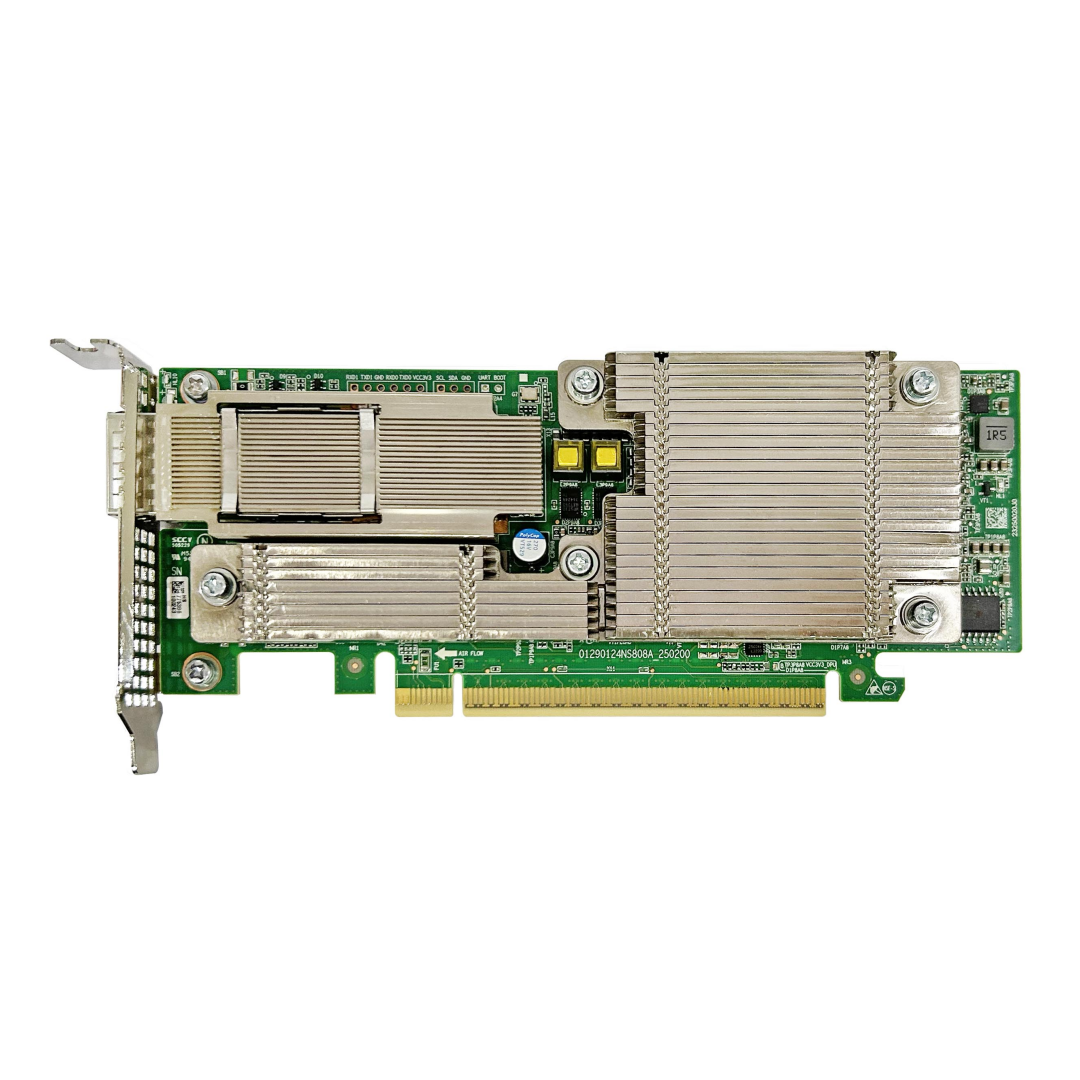
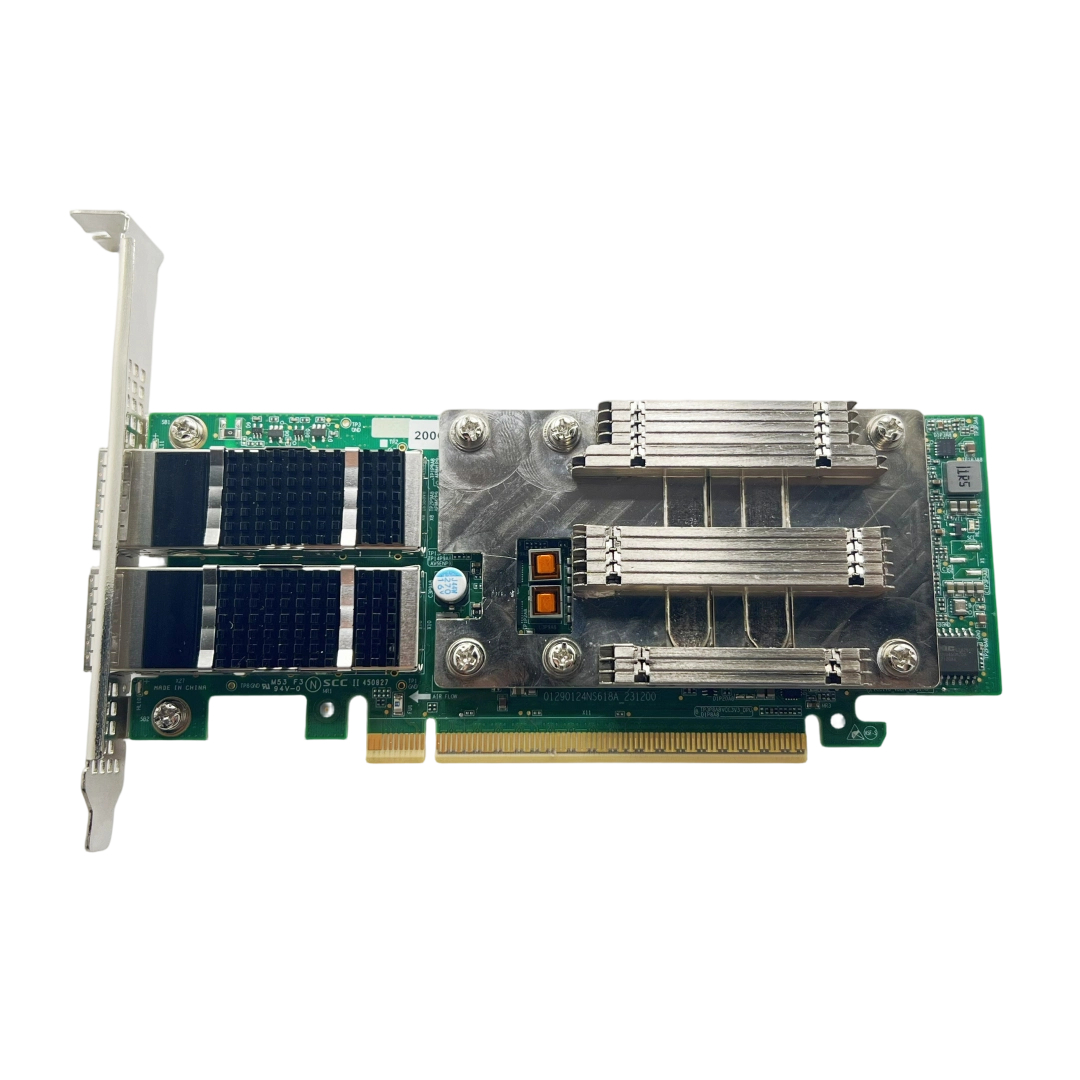
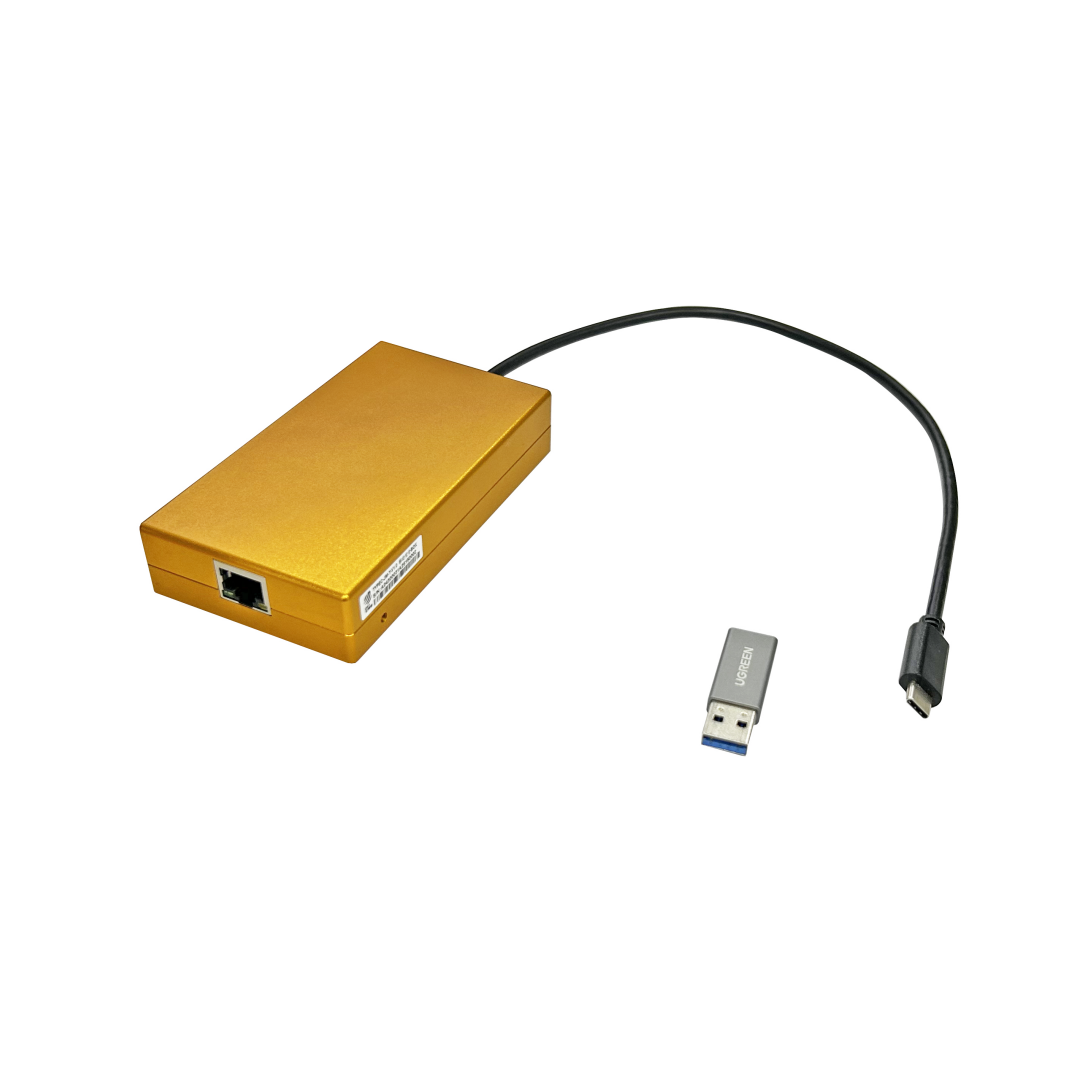
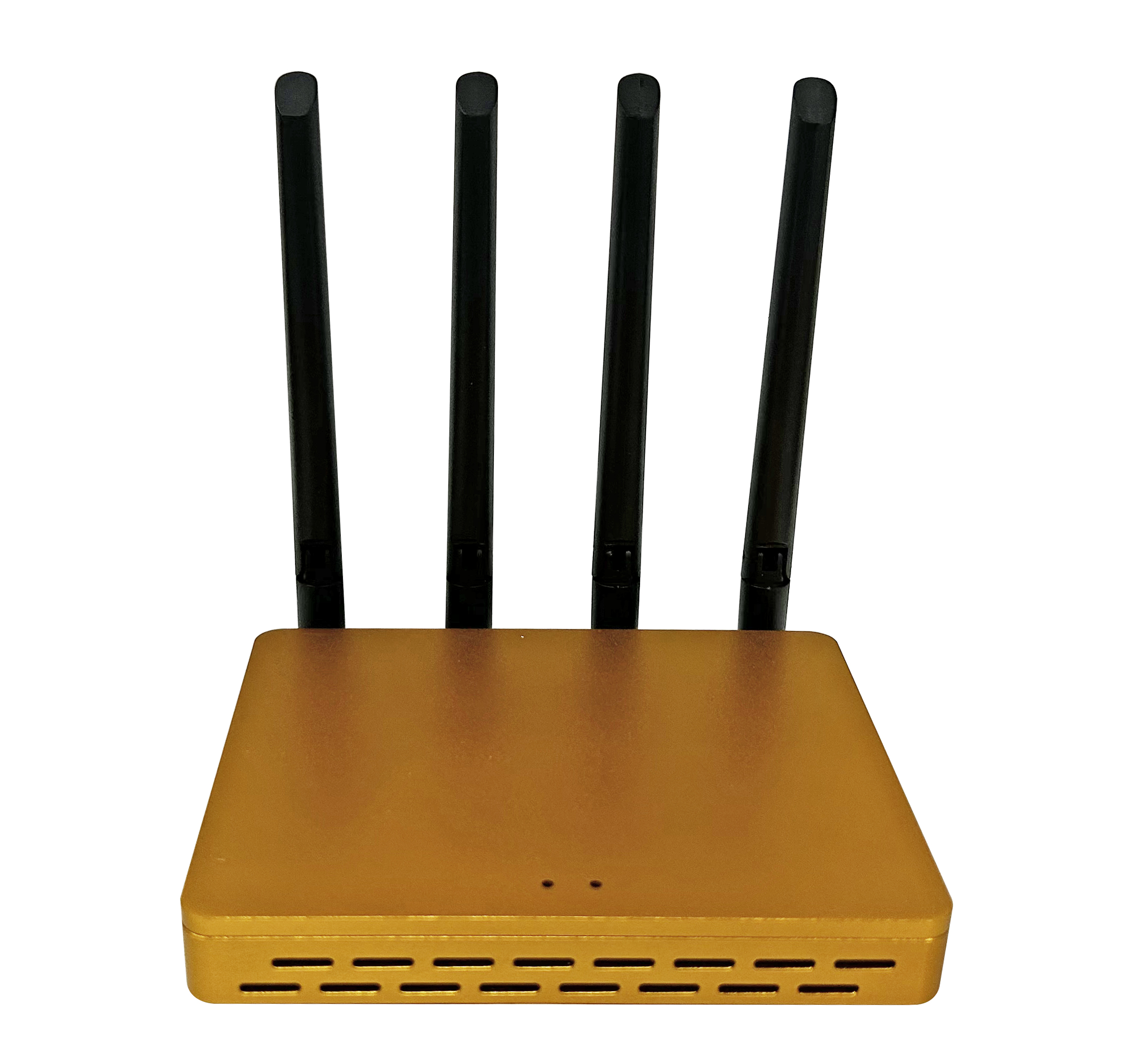
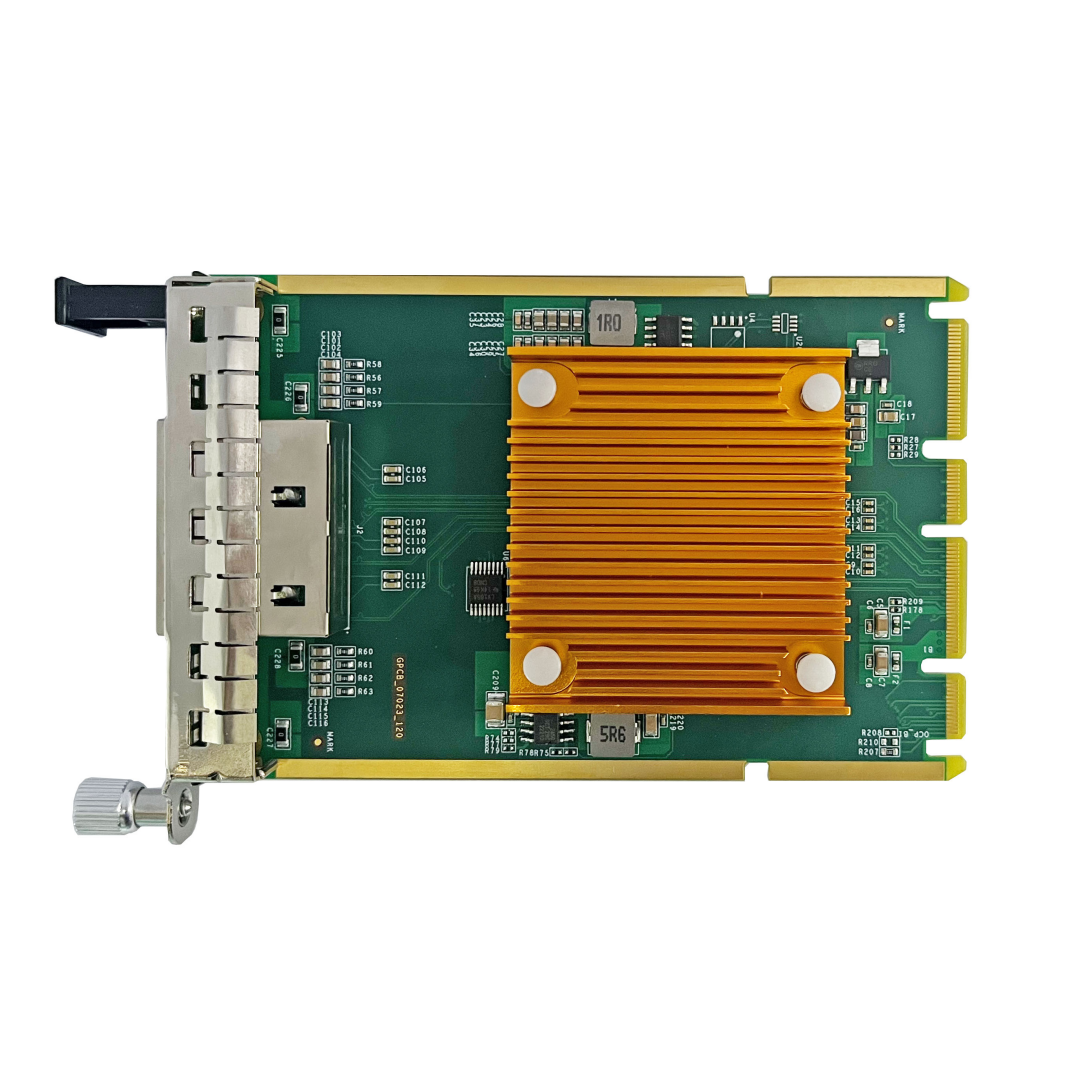
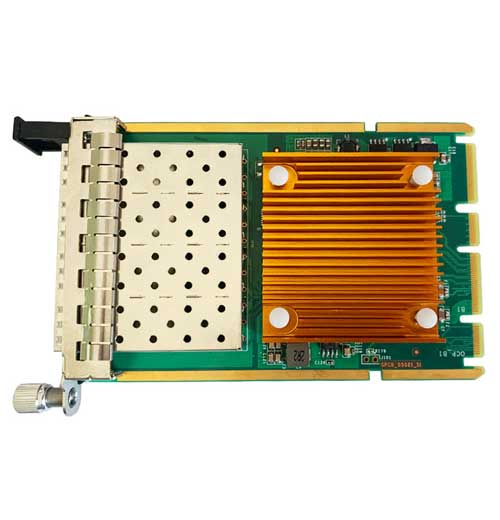
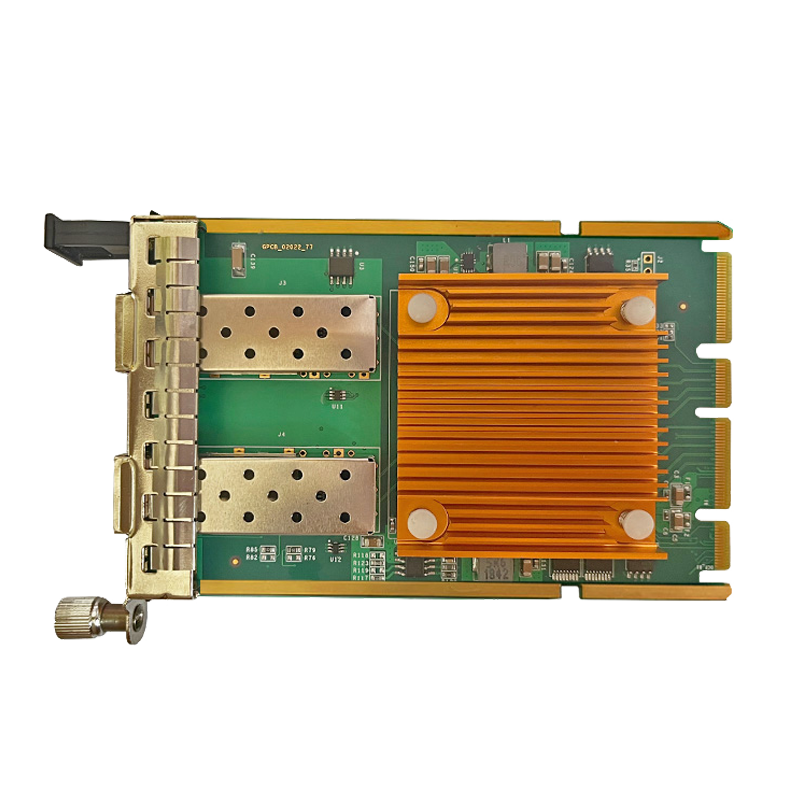
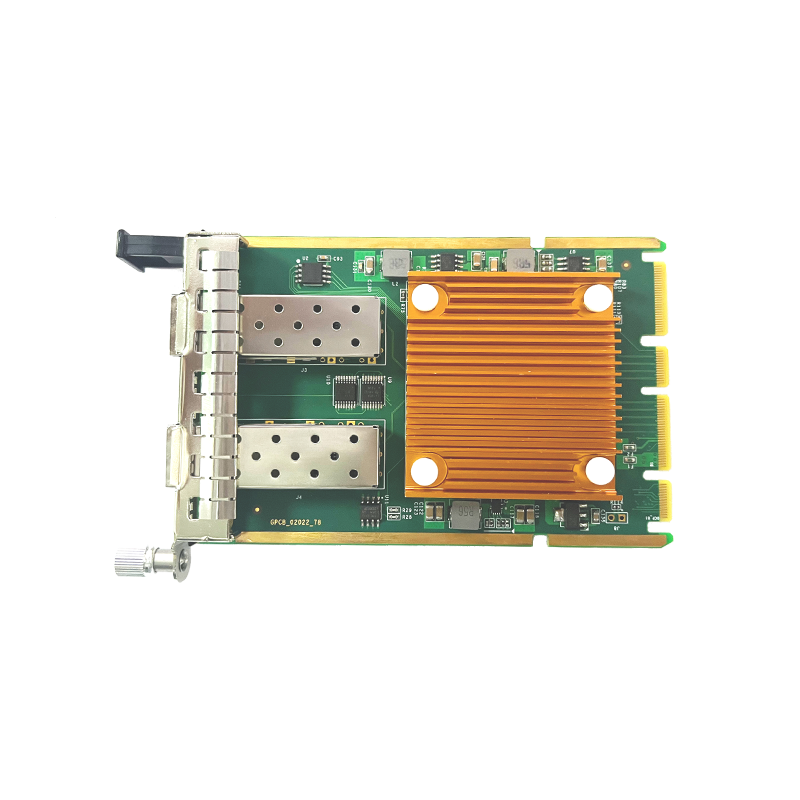
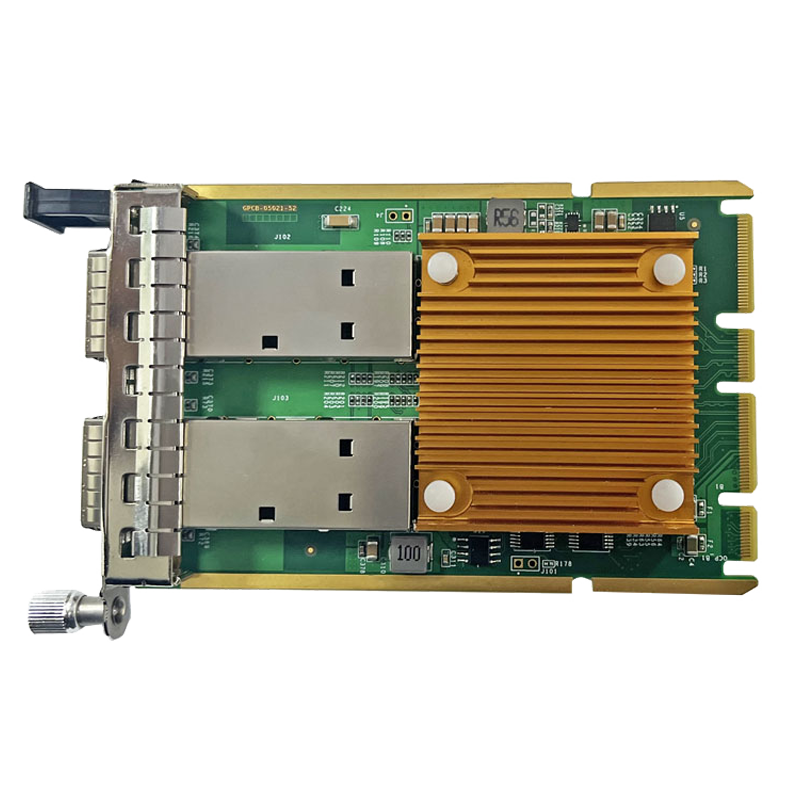
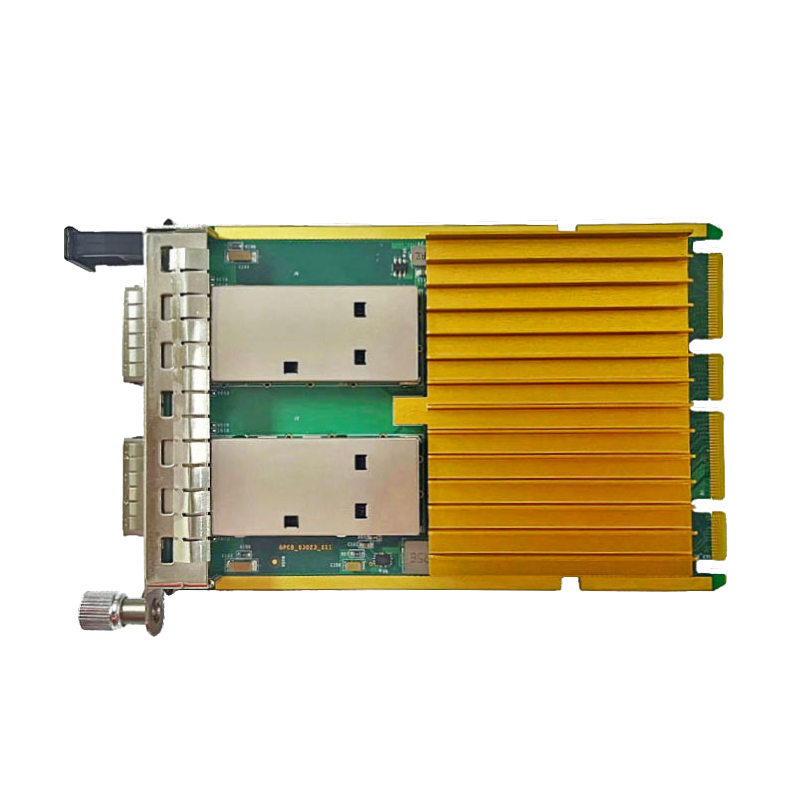

The King of Cost-Effective 25G NIC: In-Depth Analysis of Guangruntong (GRT) GH2502EM-V4.1
< BackThe King of Cost-Effective 25G NIC: In-Depth Analysis of Guangruntong (GRT) GH2502EM-V4.1
Data centers are undergoing a quiet upgrade: shifting from 10G to 25G.
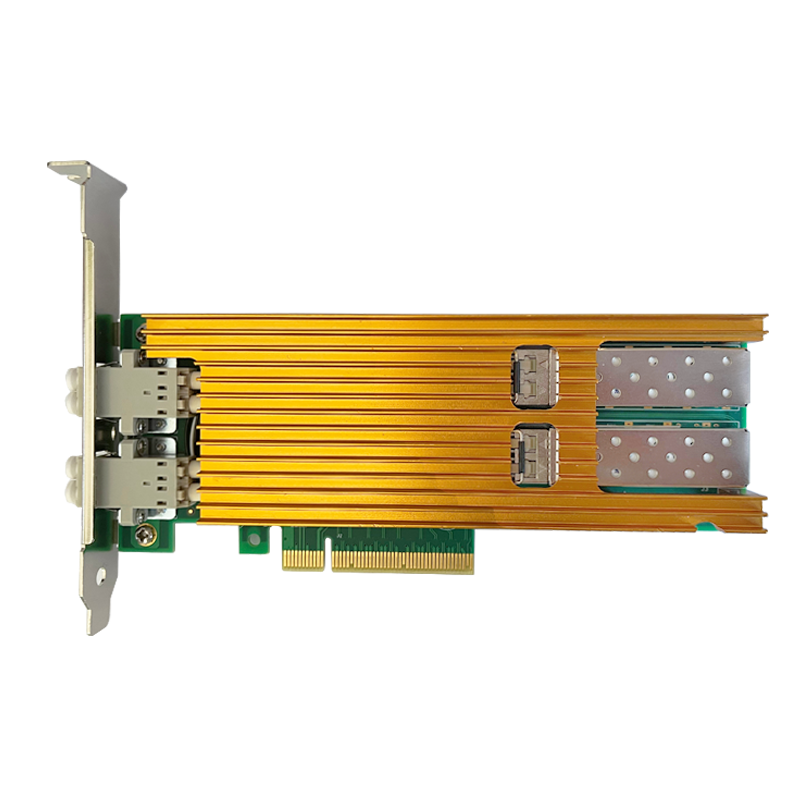
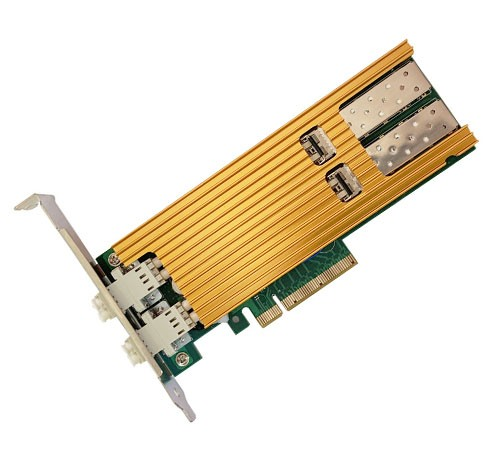
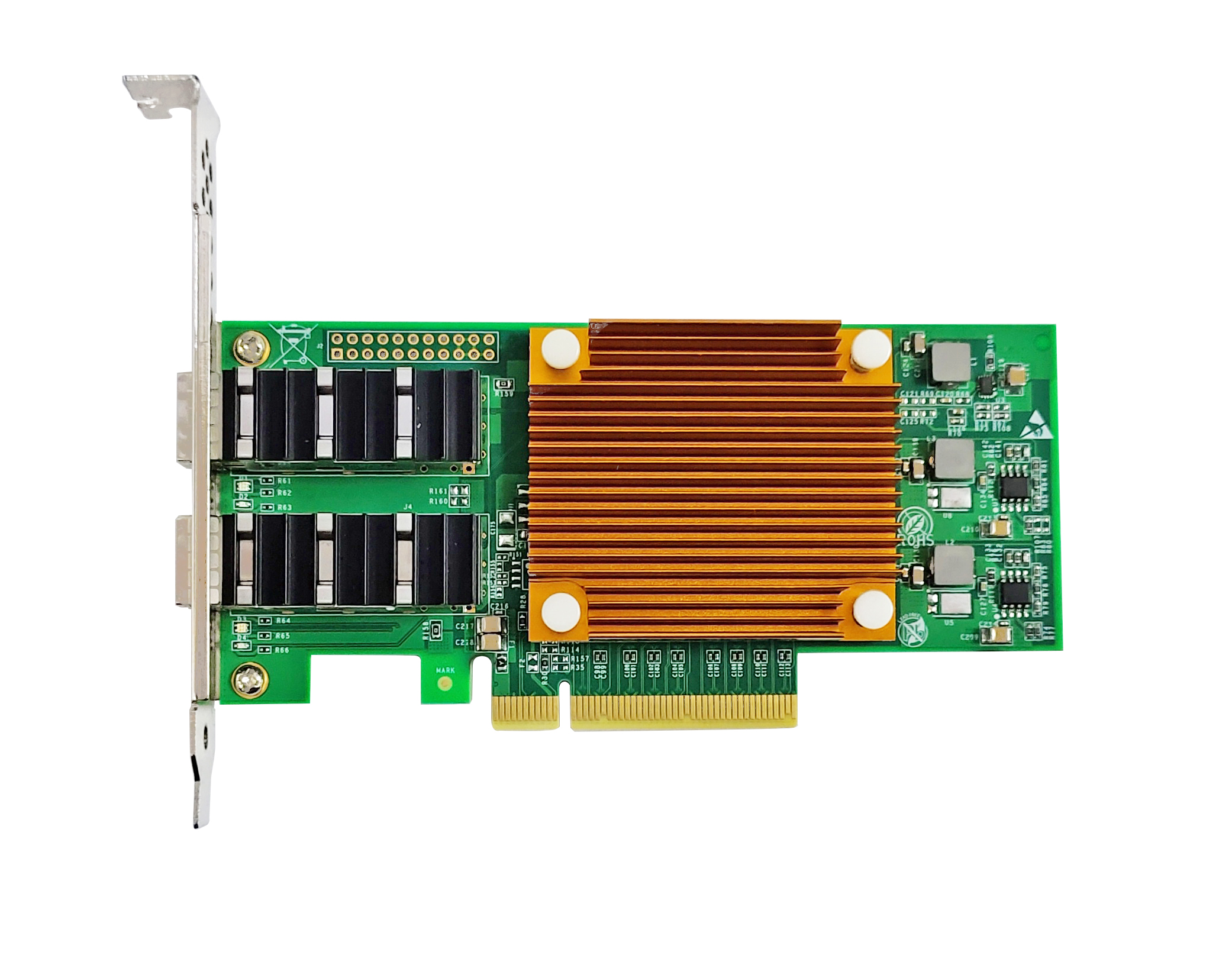
Many enterprises find during procurement that imported 25G network adapters often cost three to four thousand yuan each, while Chinese solutions raise concerns: Are they reliable in performance? Is compatibility good? Today, we conduct an in-depth analysis of this "cost-performance champion": Guangruntong (GRT) GH2502EM-V4.1, a 25G dual-port optical network adapter powered by the Mellanox ConnectX-4 chip.
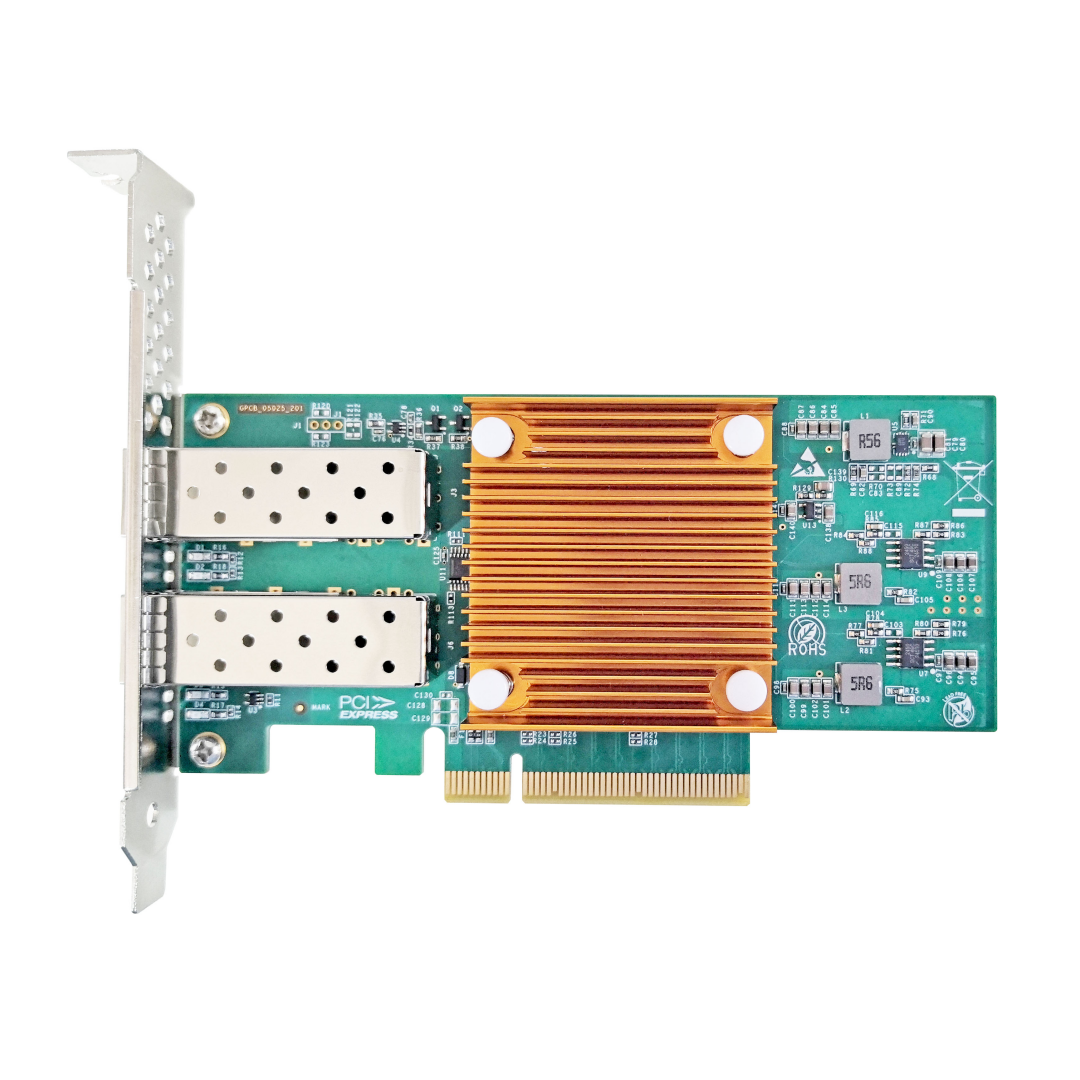
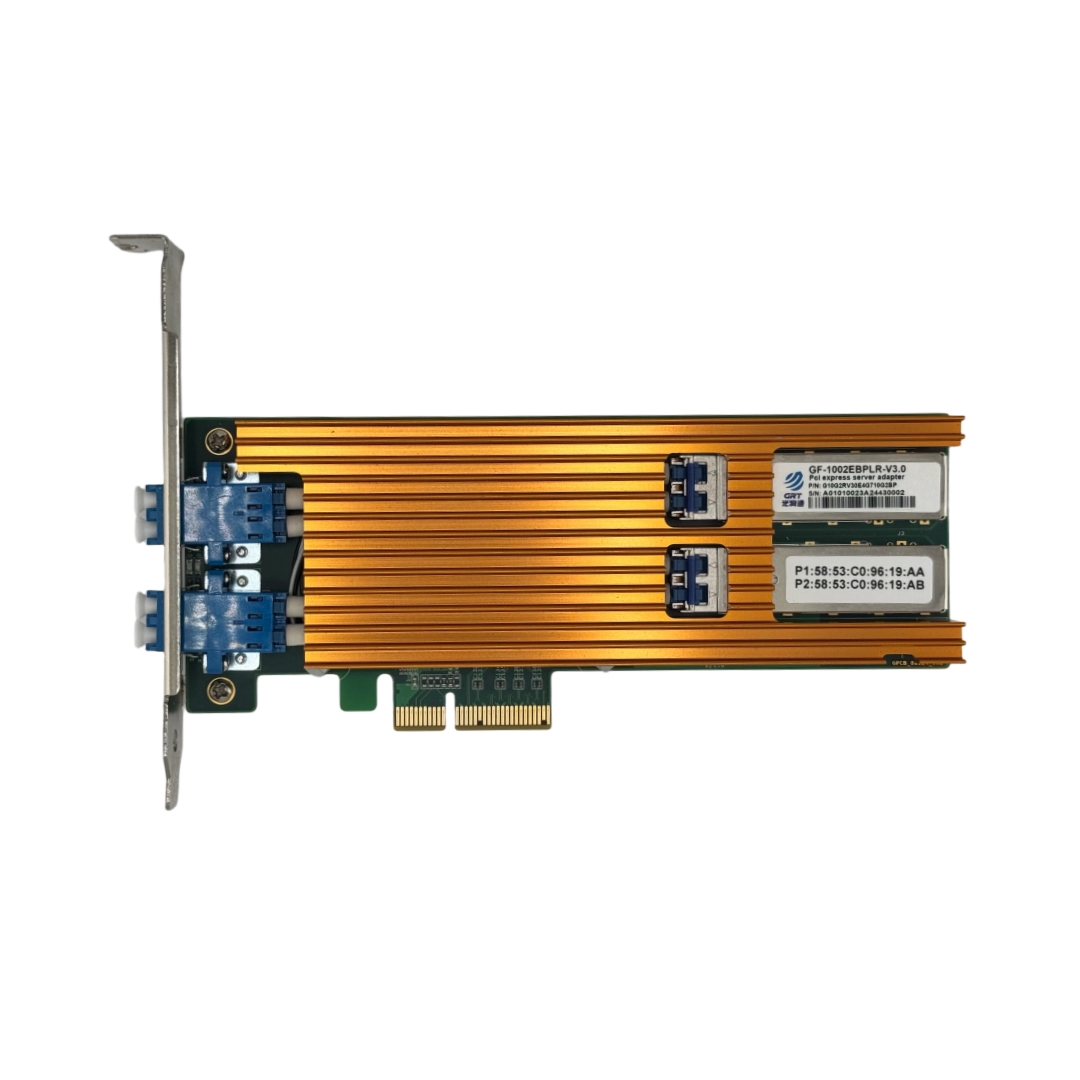
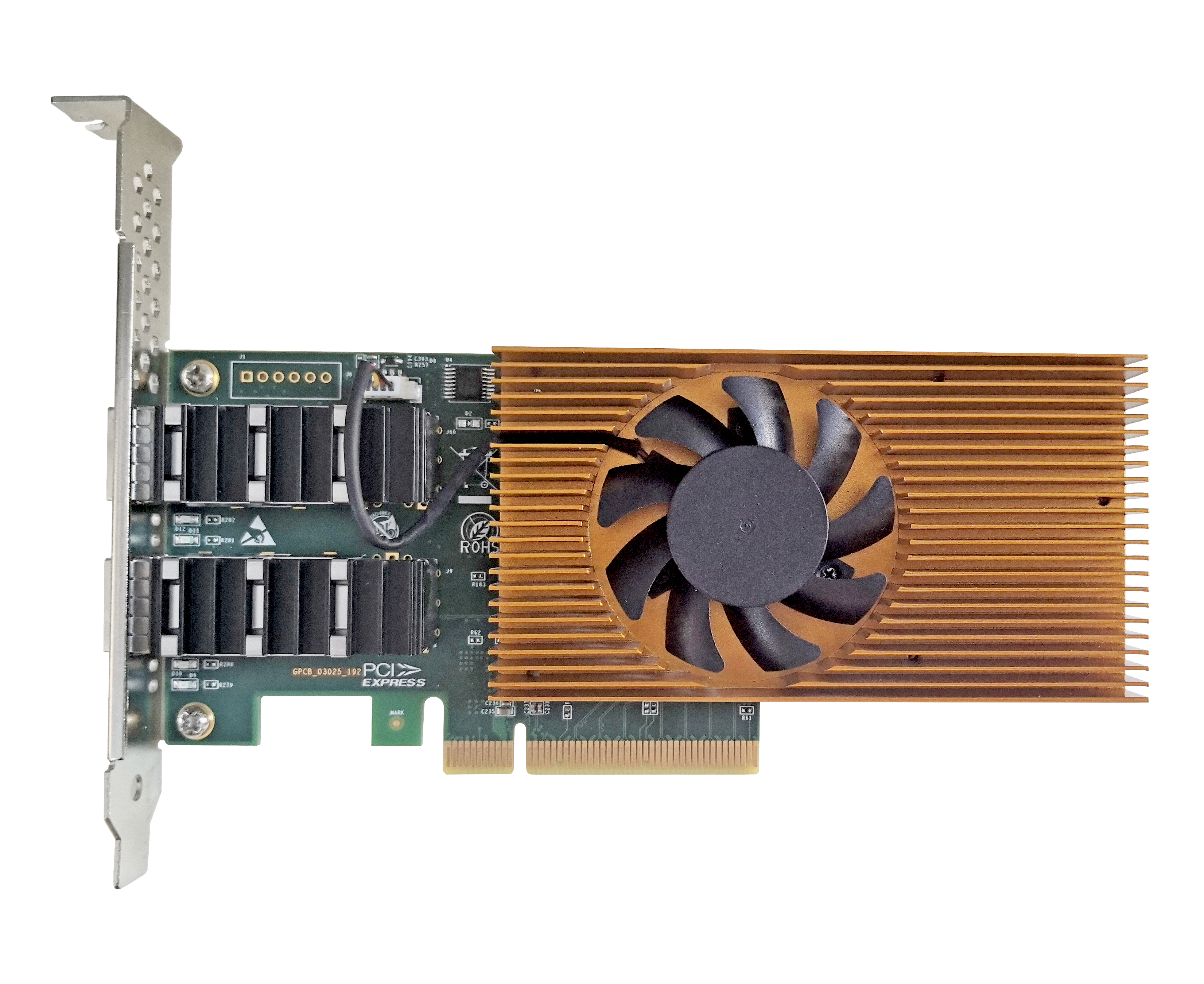
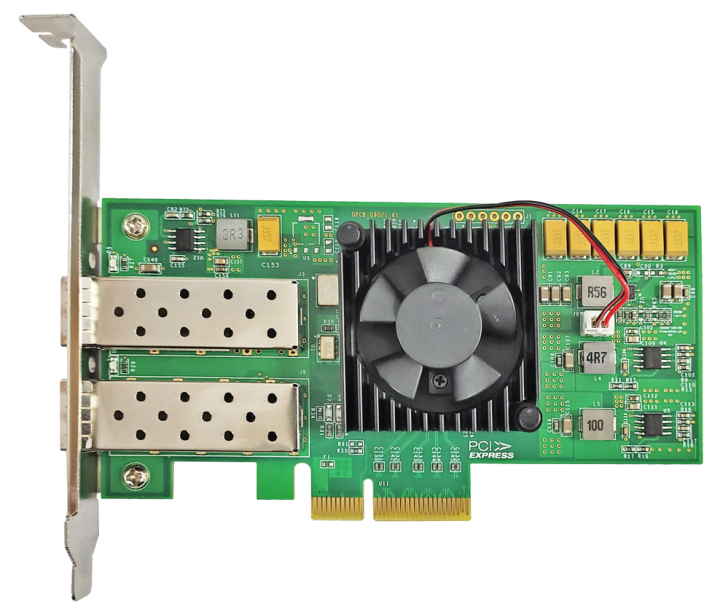
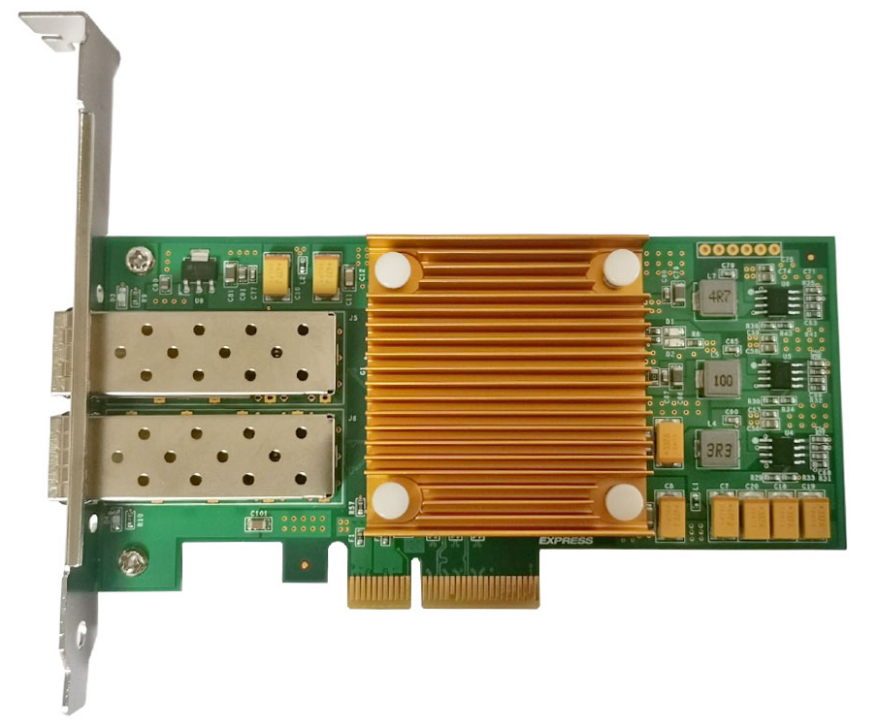
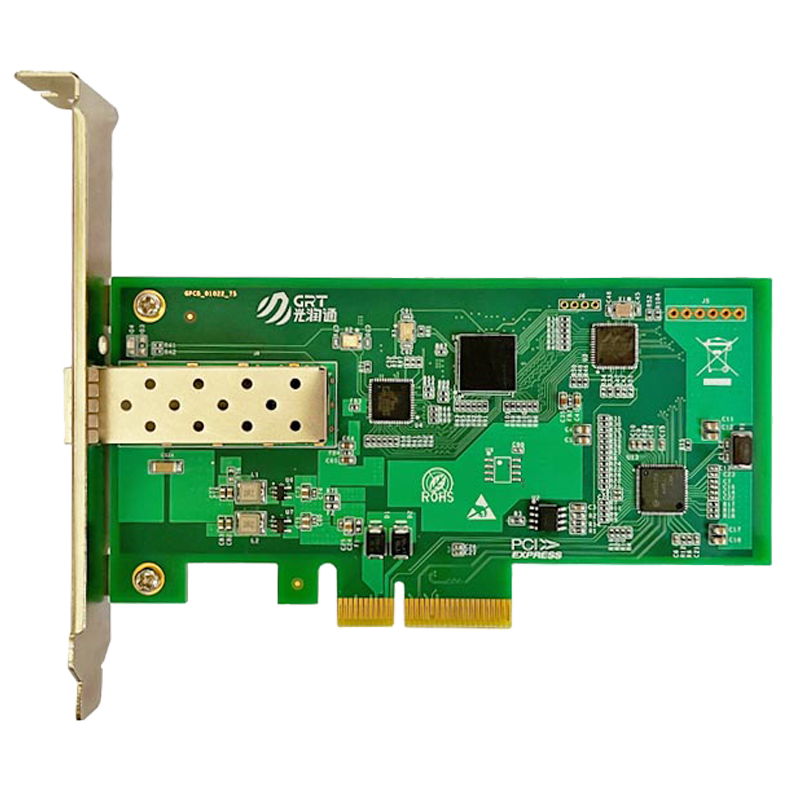
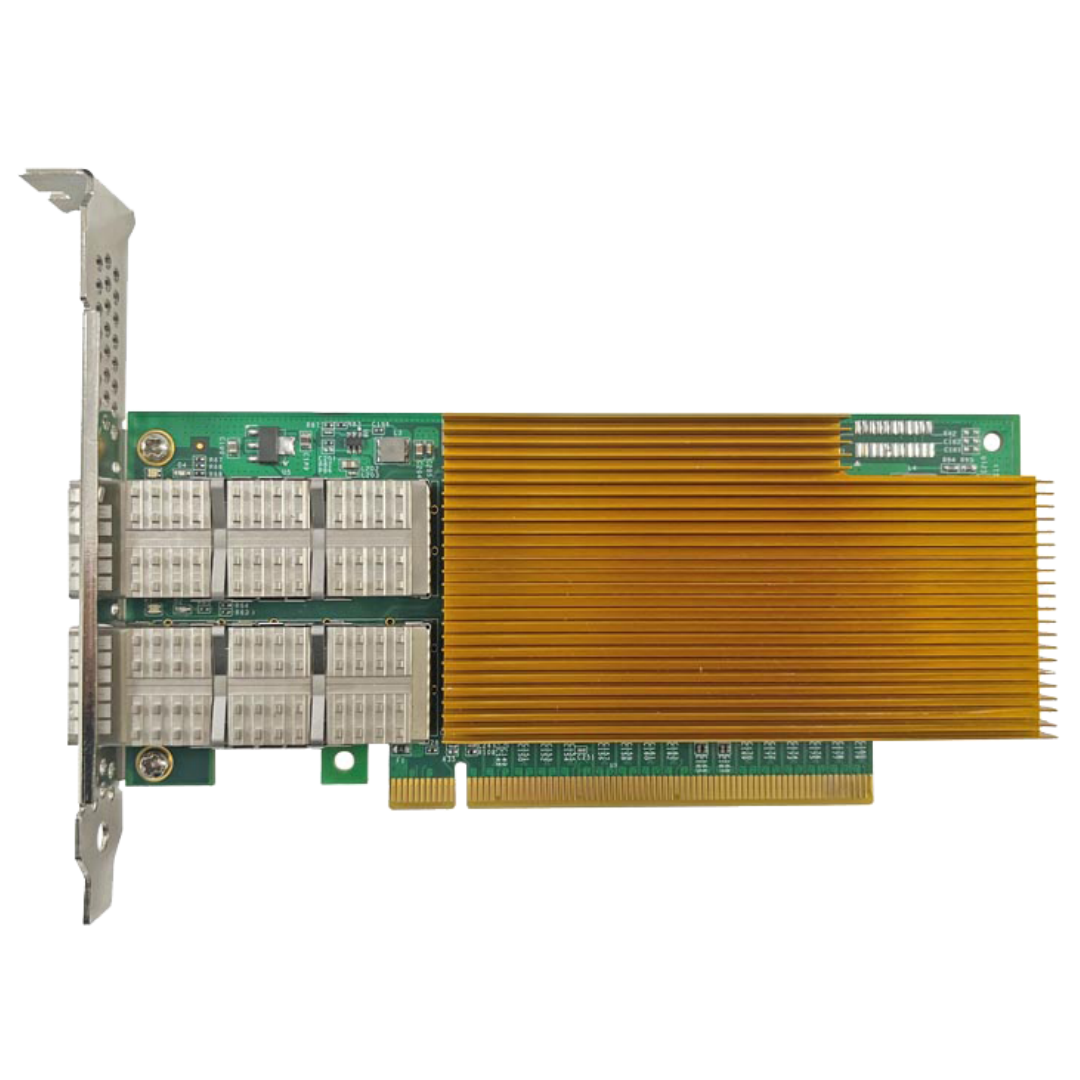
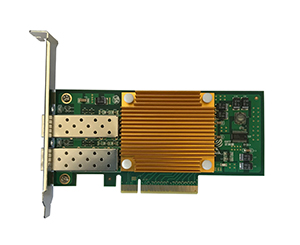
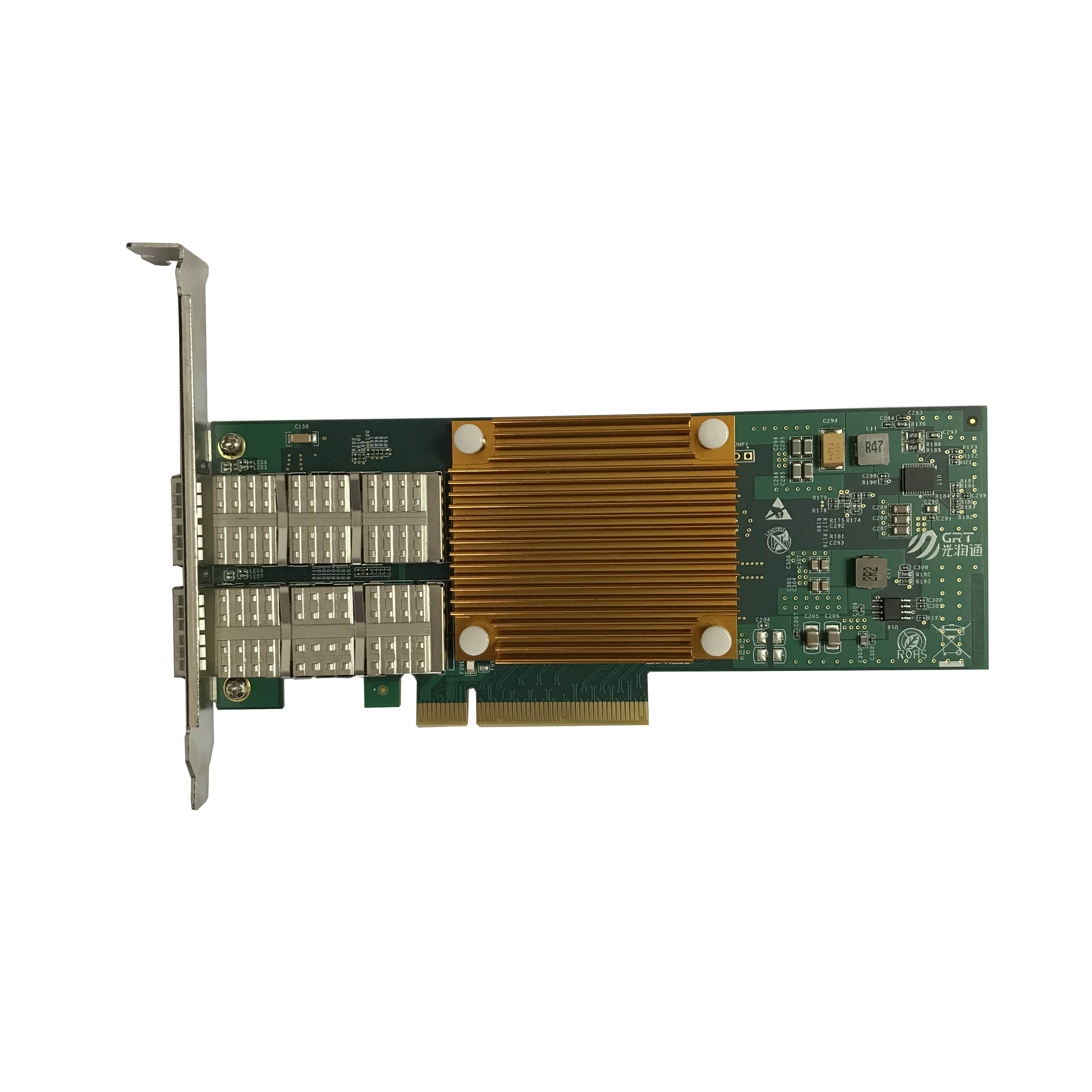
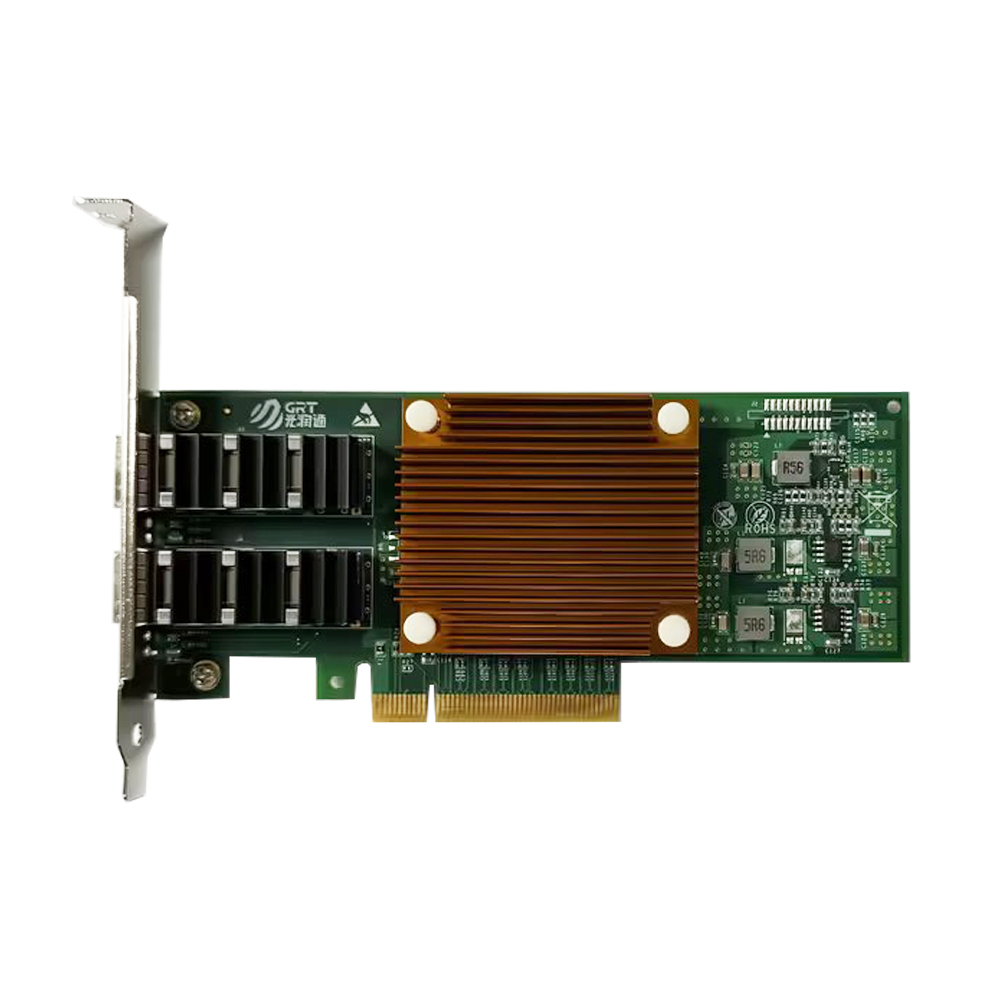
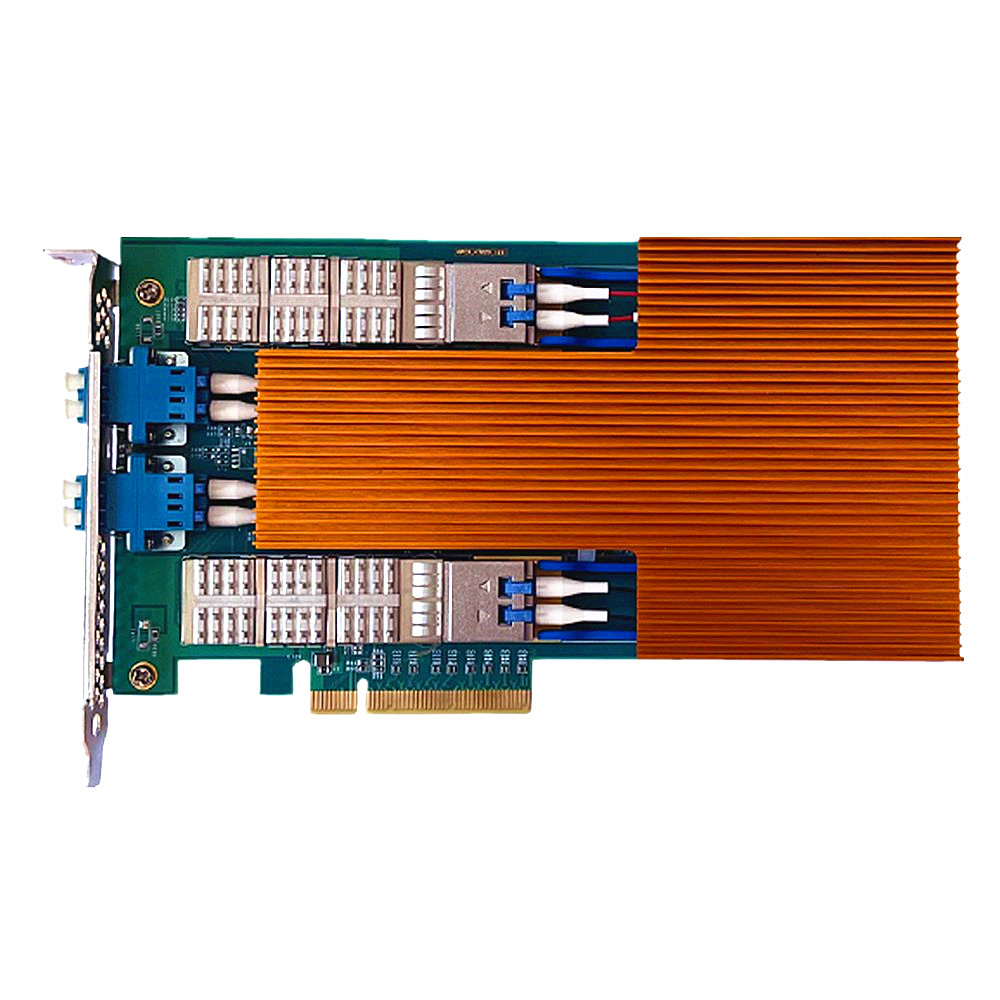
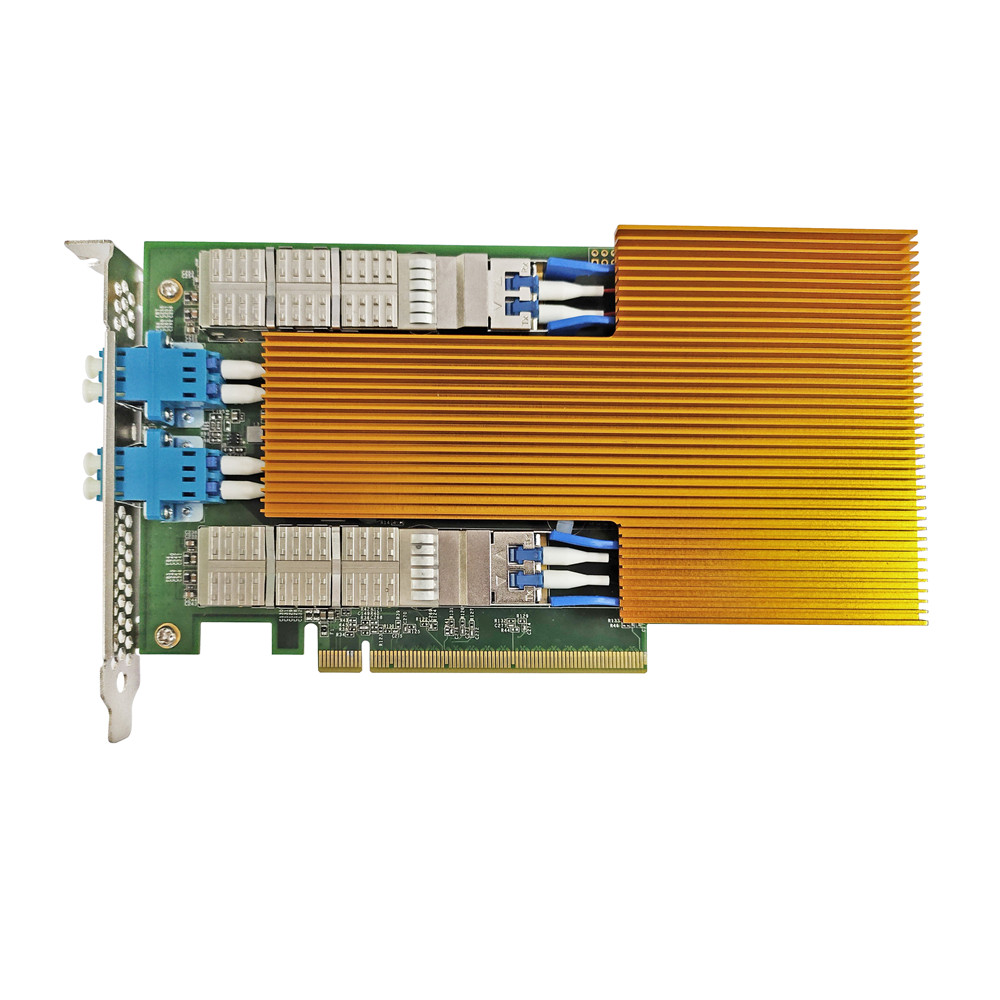
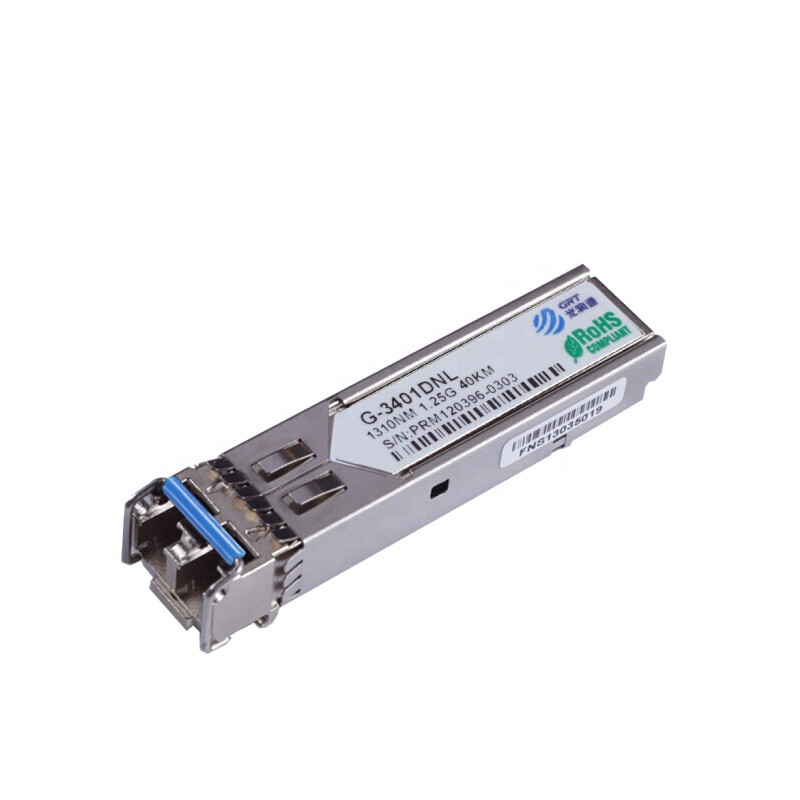
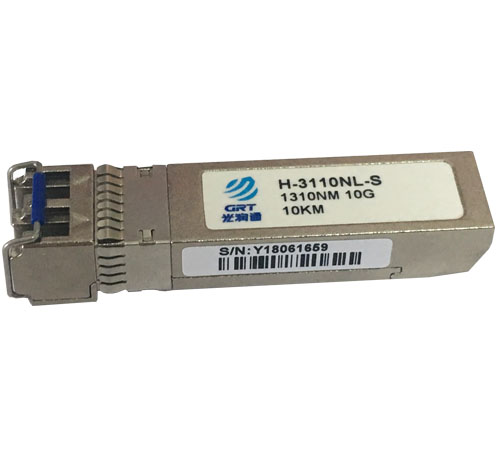
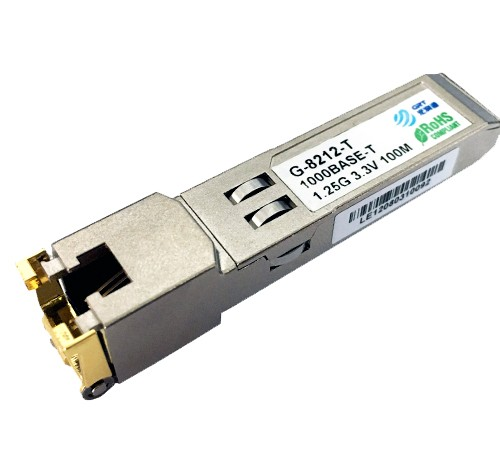
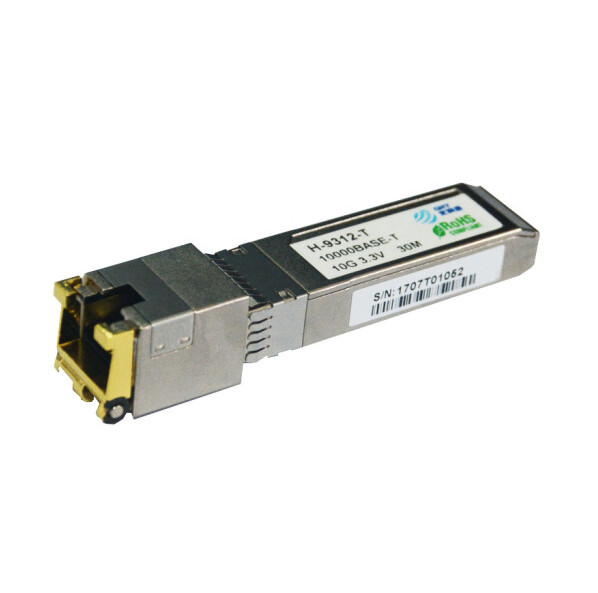
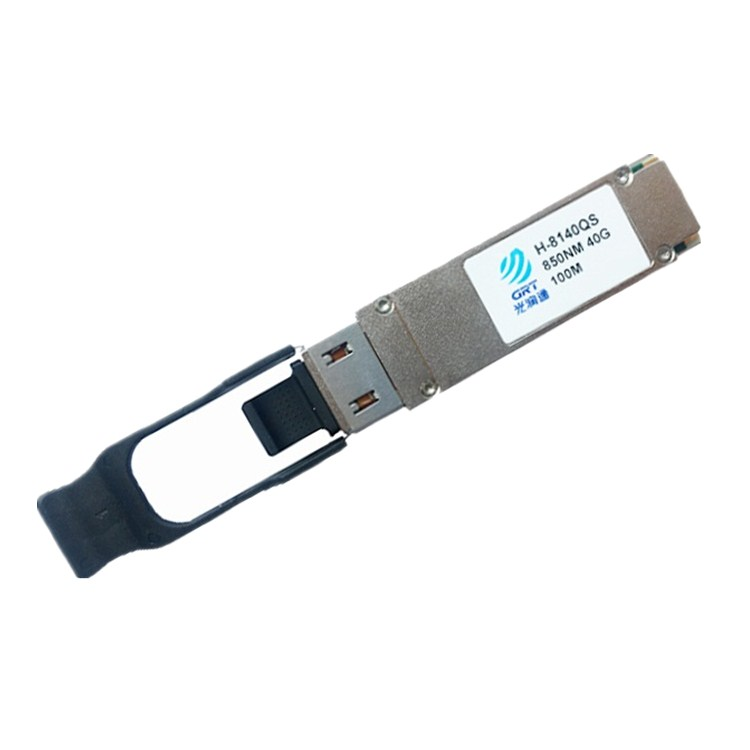
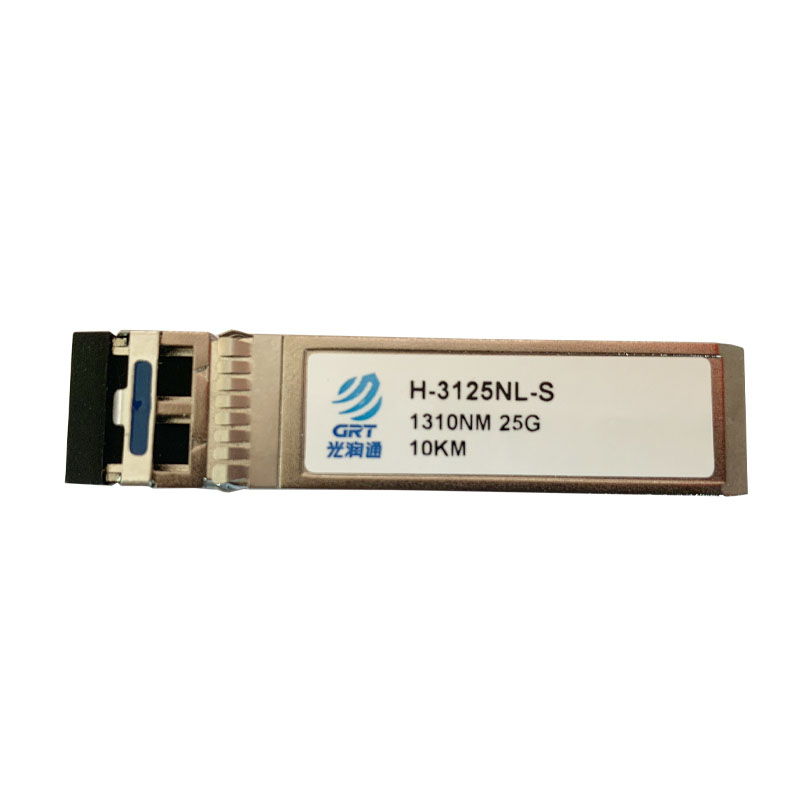
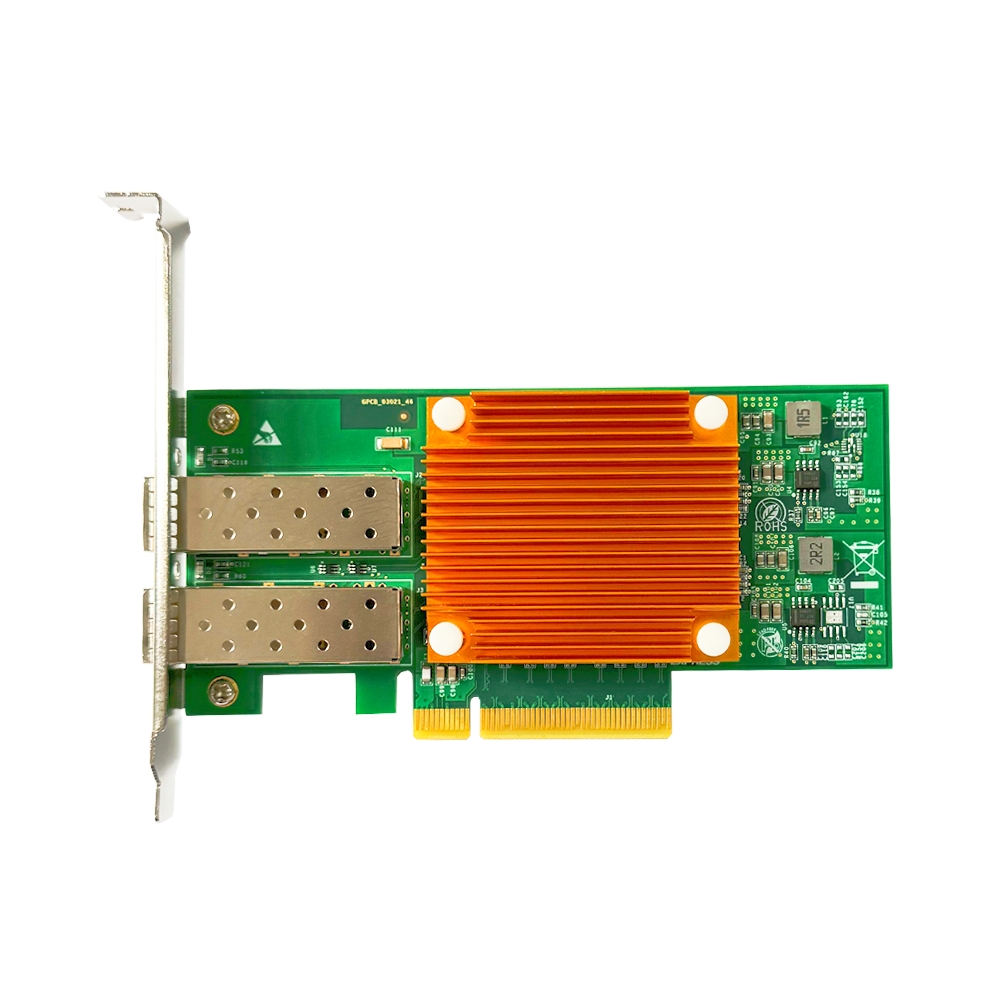
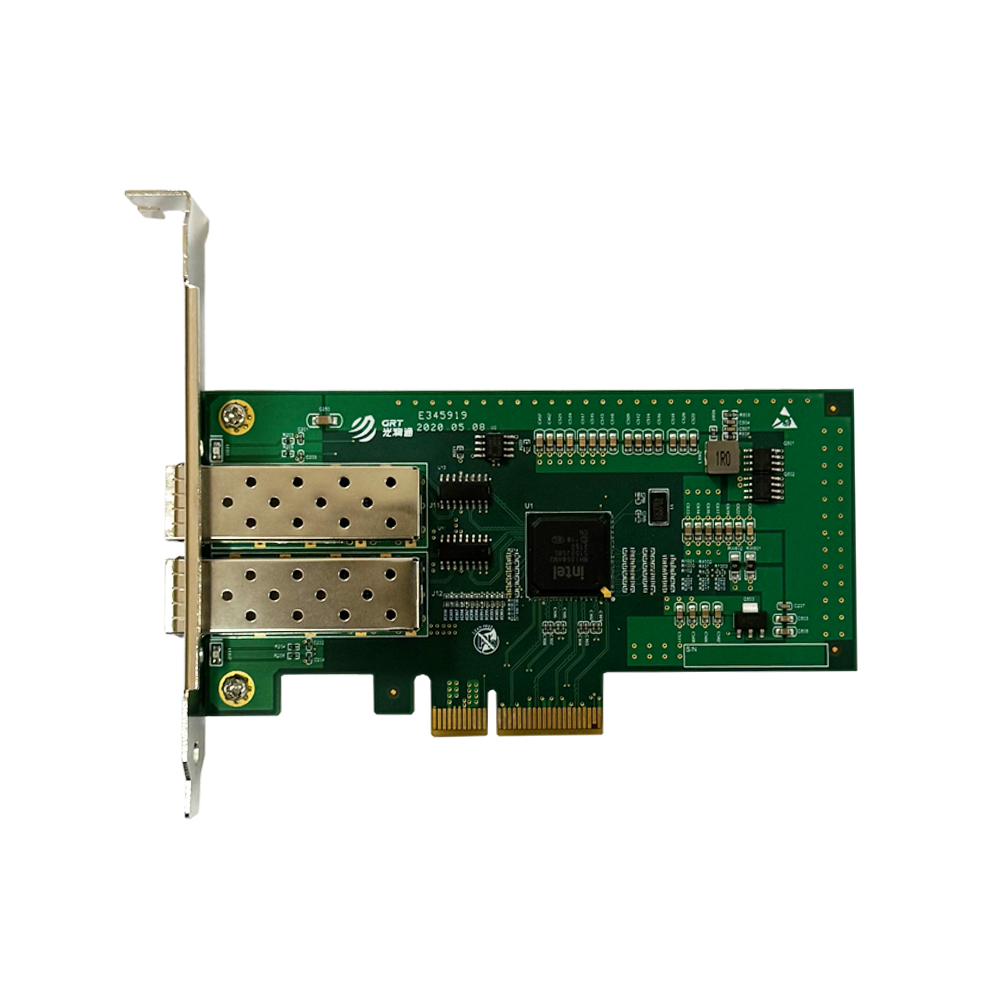
GH2502EM-V4.1 is a dual-port 25G Ethernet adapter with SFP28 optical module interfaces and Mellanox ConnectX-4 Ethernet controller. It supports PCIe 3.0 x8 interface with an 8GT/s link rate, and is backward compatible with PCIe 1.1 and 2.0 standards. Rated power consumption is only 9W, much lower than the 10–15W range of similar products. It supports jumbo frames up to 9.6KB, operating temperature from 0°C to 55°C, operating humidity 0%–90% non-condensing. Bracket design supports both low-profile and full-height specifications to fit different server chassis.
Looking purely at specifications, it fully matches imported ConnectX-4 NICs. What truly makes it the "king of cost performance" is the combined advantages in price, performance, power consumption and feature set.
1. Price Advantage: Over 30% cheaper than imported alternatives
Equipped with Mellanox ConnectX-4 chip, GH2502EM-V4.1 delivers identical chip and performance as imported brands, yet costs more than 30% less. What does this mean? If a data center needs 100 adapters and saves 1000 yuan per card, the total saving reaches 100,000 yuan. For enterprises on a tight budget that still want ConnectX-4 level performance, this is highly attractive.
2. Performance Benchmarking: Native ConnectX-4 lineage
ConnectX-4 is a classic chip from Mellanox (now NVIDIA), widely deployed in high-performance computing, storage networks and AI training scenarios. GH2502EM-V4.1 fully inherits the performance capabilities of ConnectX-4: wire-rate forwarding on dual 25G ports with zero performance loss, sub-microsecond ultra-low latency, even lower under RDMA. Full hardware acceleration for TCP/UDP checksum, TCP segmentation, overlay encapsulation/decapsulation to free up CPU resources.
3. Power Saving Advantage: 9W Energy Efficiency Champion
Typical 25G NIC power consumption ranges from 10W to 15W. GH2502EM-V4.1 rated power is merely 9W, leading the industry. It also supports IEEE 802.3az Energy Efficient Ethernet (EEE), automatically reducing power when links are idle. For large-scale data centers, the electricity savings add up significantly.
4. Complete Feature Set: RoCE, SR-IOV, MACsec All Included
Many Chinese NICs cut features to lower prices. GH2502EM-V4.1 does not compromise: RoCE (RDMA over Converged Ethernet), SR-IOV virtualization supporting up to 64 VFs per port, IEEE 1588v2 time synchronization, MACsec hardware encryption, GPUDirect RDMA, overlay network offload (VXLAN/NVGRE/GENEVE), erasure code offload and IPsec offload. For imported brands, most of these are paid add-ons. On GH2502EM-V4.1, all come as standard.
RoCE: Deliver InfiniBand-like Performance over Ethernet
RDMA (Remote Direct Memory Access) bypasses the CPU to transfer data directly between memories. Traditional TCP/IP requires multiple CPU copies, causing high latency and heavy CPU load. RoCE enables RDMA over Ethernet: data transfers directly from application memory to NIC, then to remote memory with almost no CPU involvement.
Practical results: latency drops from millisecond to microsecond level, CPU utilization reduced by over 50%, throughput increased 2–3 times. Suitable for distributed storage (iSER, NFS RDMA, SMB Direct), AI training clusters and HPC.
SR-IOV: One NIC Works as 128 Independent Adapters
GH2502EM-V4.1 supports SR-IOV virtualization, up to 64 Virtual Functions (VFs) per port, 128 VFs for dual ports. What does this mean? Cloud platforms and hyper-converged infrastructure often run dozens of VMs on one physical server. Traditional options either use software virtualization with heavy performance loss or install multiple NICs which cost more and occupy slots. SR-IOV lets one NIC create 128 independent network interfaces, each assigned to a VM with near-native performance. Save cost, PCIe slots and power.
GPUDirect RDMA: Direct Communication Between GPU and NIC
In AI training, data transfers frequently between GPU and NIC. Traditional path: GPU → CPU → NIC → network → NIC → CPU → GPU, with multiple copies and high latency. GPUDirect RDMA enables direct GPU-NIC communication bypassing CPU, drastically cutting transmission latency. Ideal for distributed AI training, GPU cluster interconnection and deep learning framework acceleration.
Overlay Network Offload: Free Your CPU
Cloud platforms widely adopt VXLAN, NVGRE and GENEVE overlay technologies for network virtualization. Encapsulation and decapsulation traditionally run on CPU and consume massive compute resources. GH2502EM-V4.1 supports hardware overlay offload; encapsulation/decapsulation is handled by the NIC. CPU usage drops 30–50% in overlay environments with obvious throughput improvement.
5. Compatibility Advantage: Full Support for Domestic Chinese OS
Many companies worry about compatibility of Chinese network adapters. GH2502EM-V4.1’s compatibility list removes these concerns.
For domestic Chinese operating systems: compatible with UOS, Deepin, Loongnix and other mainstream Chinese OS. For global OS: RHEL/CentOS, Ubuntu/Debian, Windows Server, VMware ESXi, FreeBSD, etc. Whether you run Chinese Xinchuang environment or classic X86 servers, GH2502EM-V4.1 is plug-and-play.
Application Scenarios
AI Training Clusters: 25G + RoCE is the golden standard for AI networking. GPUDirect RDMA further reduces GPU communication latency and greatly boosts distributed training efficiency. Distributed Storage: RoCE accelerates iSER, NFS RDMA and SMB Direct, bringing storage latency down to microsecond level; erasure code offload doubles RAID performance. Cloud Platform Virtualization: SR-IOV allows one physical server to host hundreds of VMs with dedicated network performance per VM, overlay offload reduces CPU burden. Financial Data Centers: IEEE 1588v2 time synchronization meets nanosecond precision for trading systems; MACsec encryption protects data security. High Performance Computing (HPC): RDMA delivers low latency and high throughput, greatly improving MPI communication for scientific computing and simulation.
Compare with Imported Brands: Where Are The Differences?
Guangruntong (GRT) GH2502EM-V4.1 uses exactly the same Mellanox ConnectX-4 chip as imported ConnectX-4 NICs, with identical dual-port 25G wire-rate forwarding performance. GH2502EM-V4.1 has better power consumption: rated 9W vs imported 10–12W. All features are standard, no cut-down functions.
The differences: GH2502EM-V4.1 costs more than 30% less. Better compatibility with domestic Chinese OS. Faster technical support response; imported brands mostly rely on agent support.
Simple conclusion: Same chip, same performance, lower price, better service.
Closing Remarks: Cost-Effectiveness Is Not Compromise, But Smart Choice
When purchasing NICs, some chase brand prestige, others value cost performance. GH2502EM-V4.1 proves: cost-performance is not compromise, it is smart procurement. Get identical performance, full feature set and superior service at lower price — that is the logic for enterprise purchasing. The king of cost-effective 25G NIC: Guangruntong (GRT) GH2502EM-V4.1, well worth your consideration.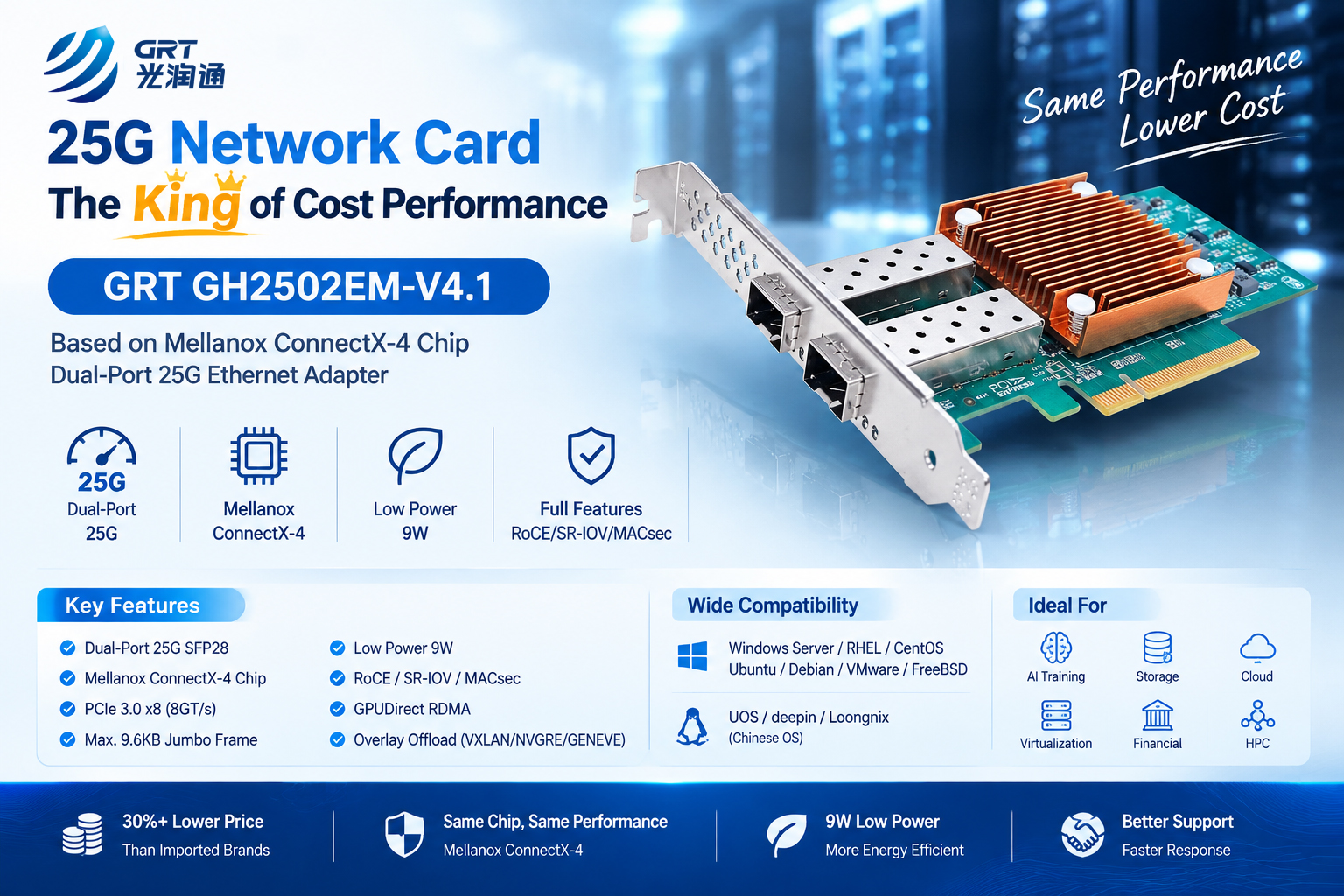
Latest information
- The King of Cost-Effective 25G NIC: In-Depth Analysis of Guangruntong (GRT) GH2502EM-V4.1
- The Hidden Relationship Between NIC Heat Dissipation and Data Center Cabinet Layout
- Why are serpentine traces designed on the NIC PCB board
- NIC and Operating System Ecosystem Adaptation: From Hardware Compatibility to Win-Win Performance
- NIC Hardware Offload Technology: Let Server CPU Focus on Business Computing
- Network Card Driver: The Invisible Bridge Between Hardware and Operating System
- Understanding the Partners in Fiber Links: Optical Modules and Optical Fibers
- How to Select NICs for Virtualization Environments to Achieve Performance Isolation and Resource Allocation