Sign in




Wavelength Division Multiplexing: Enabling Fiber Optics to Carry More Data
< BackWavelength Division Multiplexing: Enabling Fiber Optics to Carry More Data
In fiber-optic communication systems, maximizing the transmission capacity of optical fibers has always been a central objective of technological development. The emergence of Wavelength Division Multiplexing (WDM) has provided an effective solution to this challenge.
The basic principle of WDM is relatively simple: multiple optical signals with different wavelengths are transmitted simultaneously through the same optical fiber, with each wavelength carrying an independent data stream. This significantly increases the transmission capacity of a single fiber. Based on the spacing between wavelengths, WDM is mainly divided into two categories: Coarse Wavelength Division Multiplexing (CWDM) and Dense Wavelength Division Multiplexing (DWDM).
Coarse Wavelength Division Multiplexing (CWDM) uses a wavelength spacing of 20 nanometers and covers the wavelength range from 1270 to 1610 nanometers, typically supporting up to 18 channels. Because of its relatively wide wavelength spacing, CWDM has lower laser temperature-control requirements and comparatively manageable component costs. This makes it widely used in metropolitan network access layers and enterprise campus networks.
Dense Wavelength Division Multiplexing (DWDM), on the other hand, reduces wavelength spacing to 0.4–1.6 nanometers. It mainly operates in the C-band and L-band and can support more than 160 channels. DWDM can increase the transmission capacity of a single optical fiber to the terabit-per-second (Tbps) level, making it a core technology for long-distance, high-capacity applications such as backbone networks and data center interconnects.
Key components of WDM systems include Arrayed Waveguide Gratings (AWGs) and thin-film filters. AWGs use the principle of multi-path interference to separate different wavelengths through precisely designed differences in waveguide lengths. They are currently the most widely used technical solution in DWDM systems. Thin-film filters, meanwhile, select wavelengths through the selective reflection and transmission of multilayer dielectric films. Although they generally have relatively higher insertion loss, they remain valuable in certain applications.
In recent years, the rapid growth in AI computing demand and the continuous increase in data center interconnect bandwidth have further highlighted the importance of WDM technology. Growing demand for DWDM equipment from telecommunications operators, combined with the strong performance of the data center interconnect market, has driven the continued expansion of the DWDM optical module market.
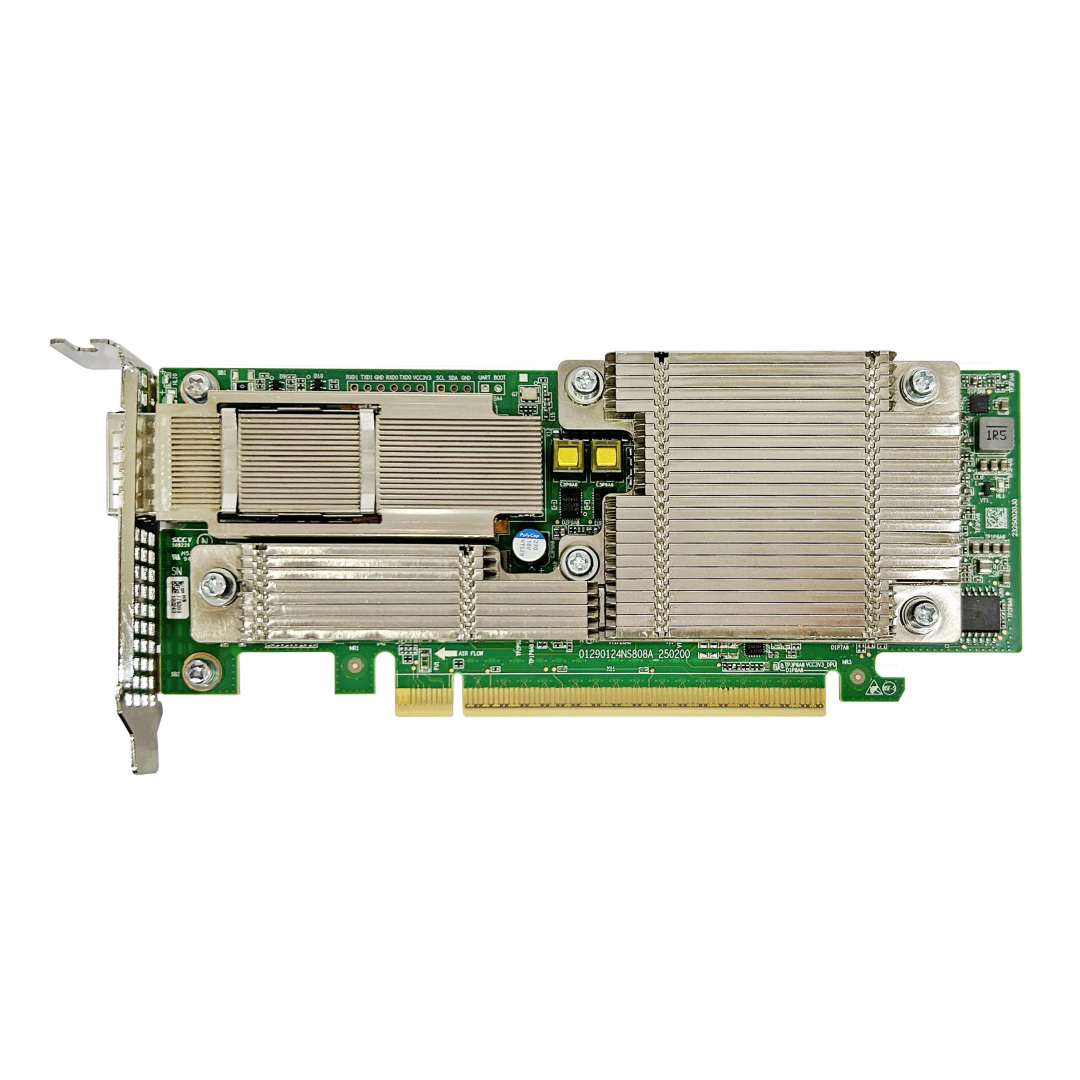
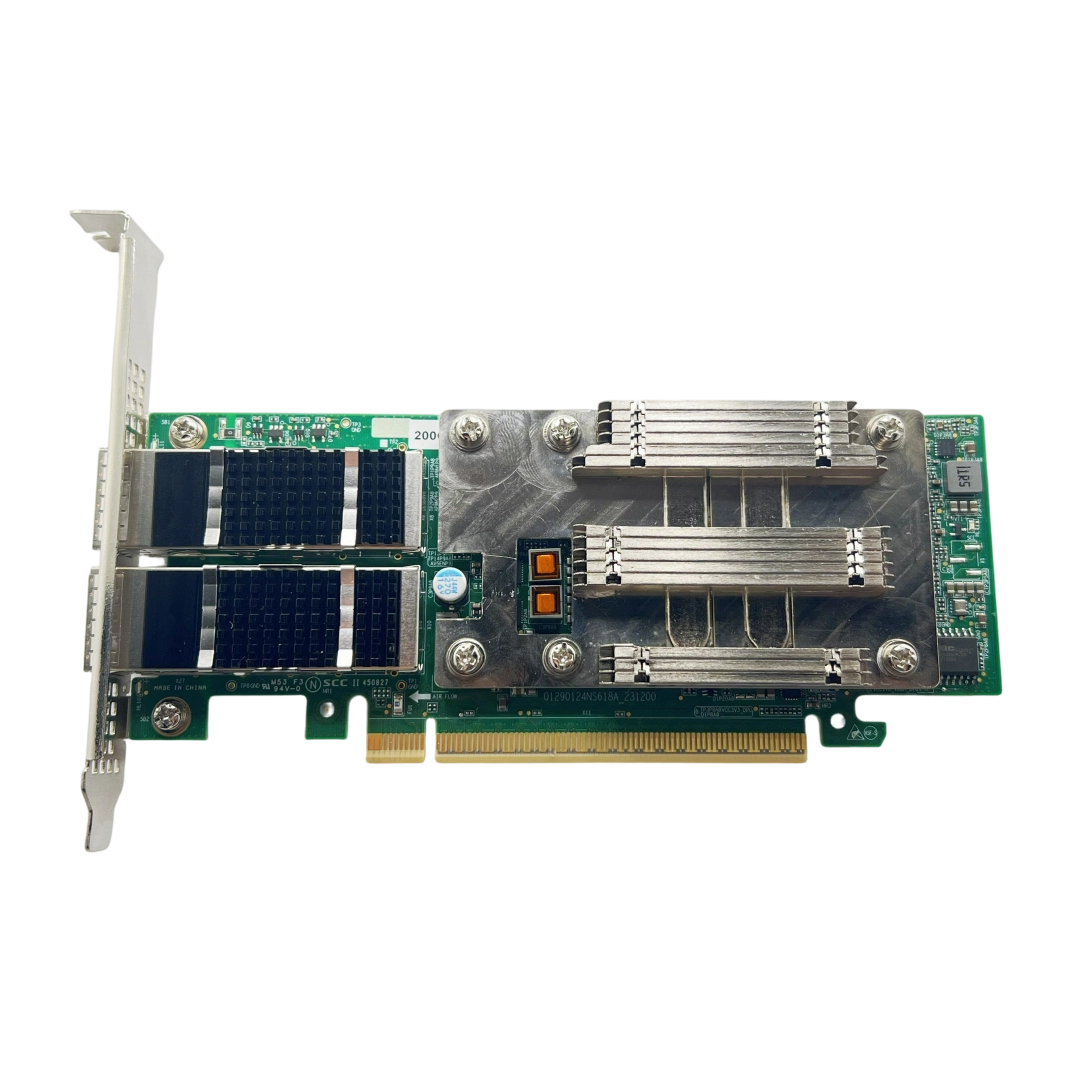
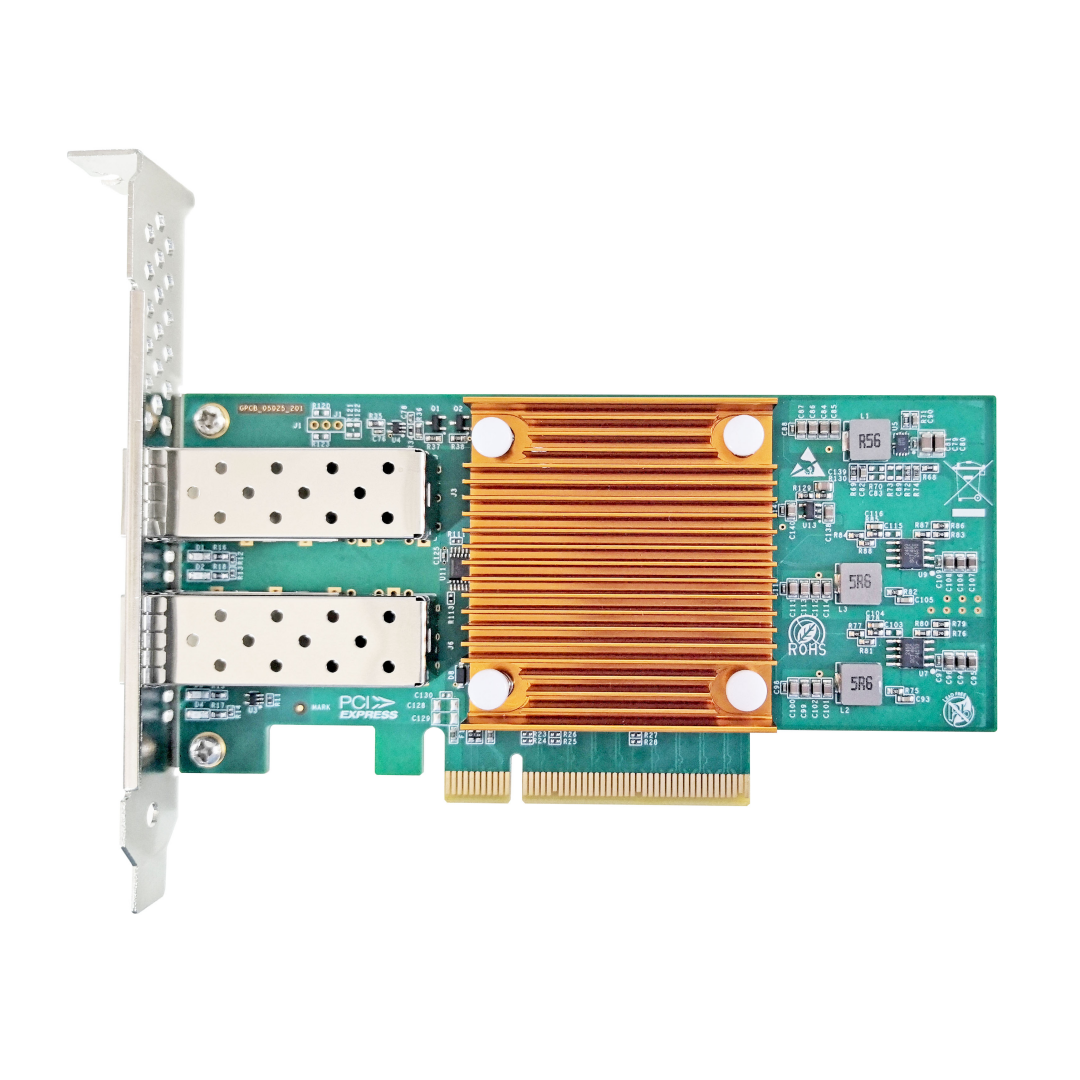
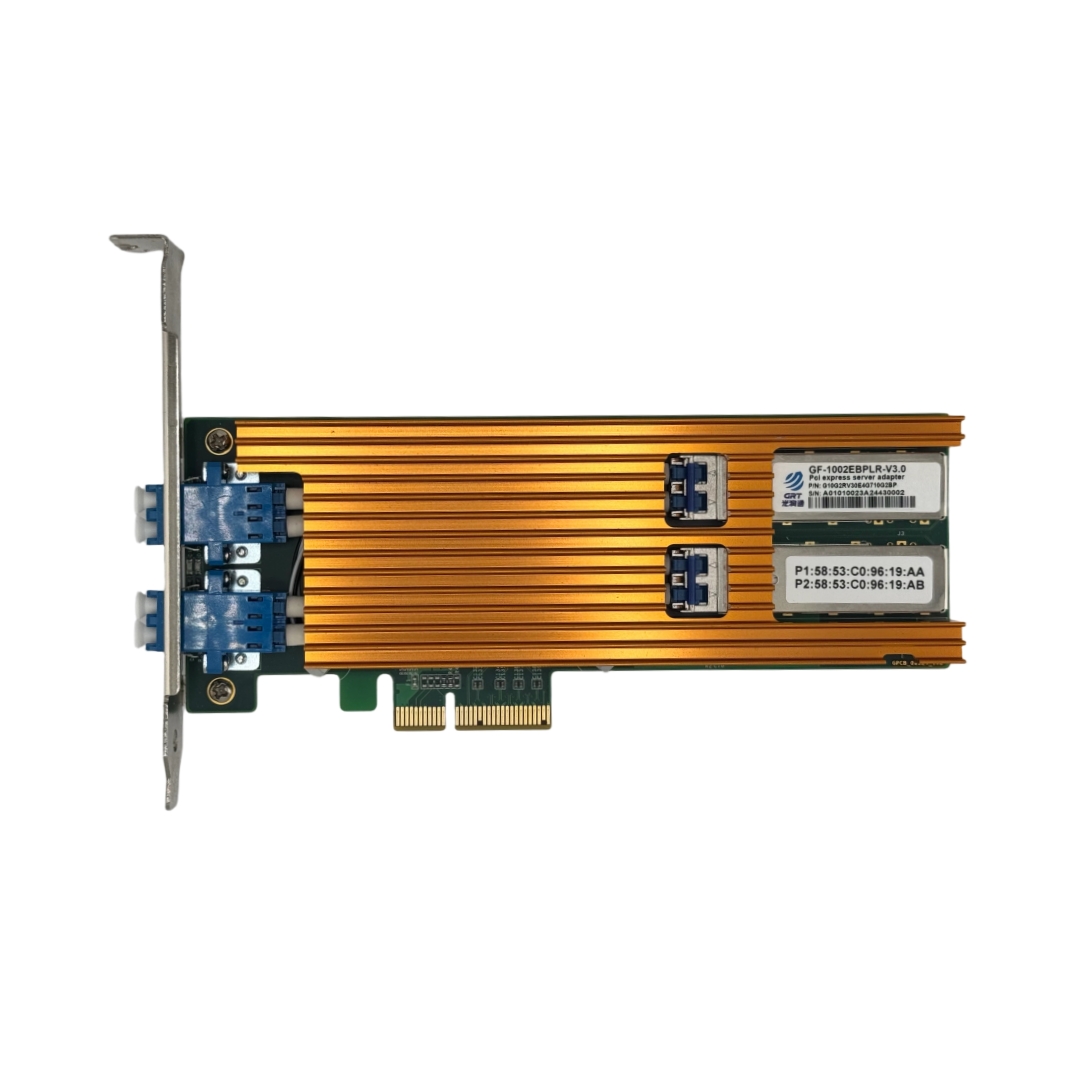
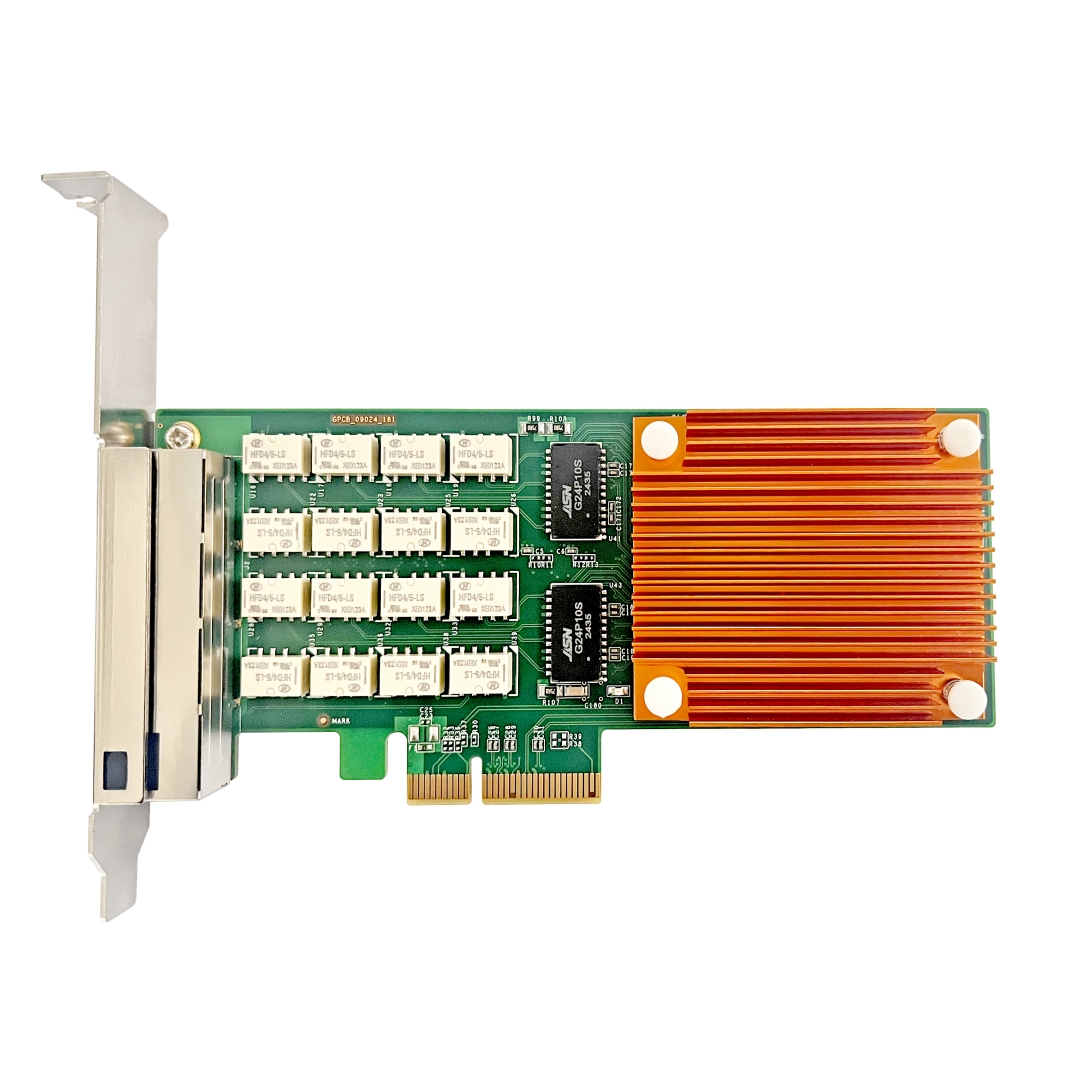
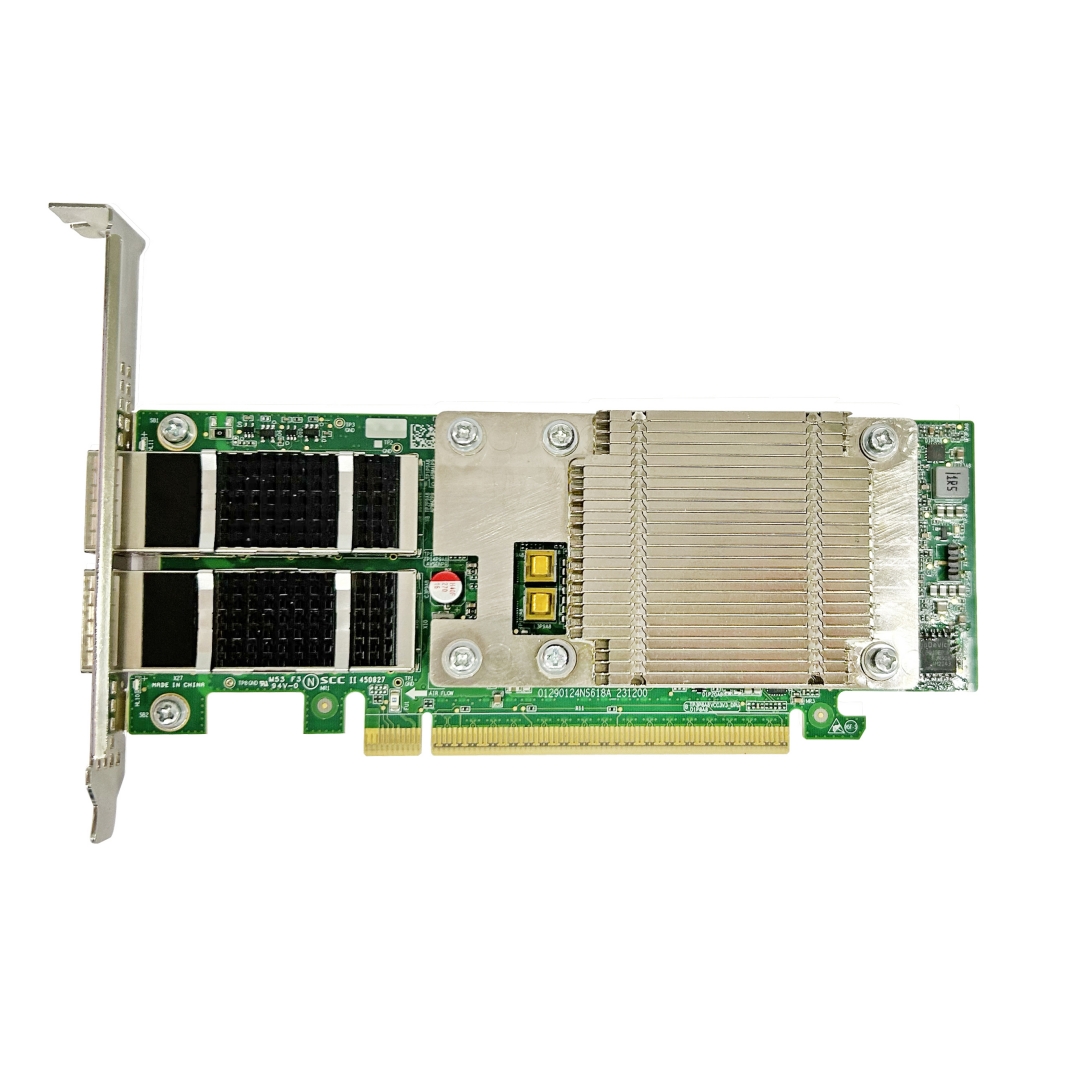
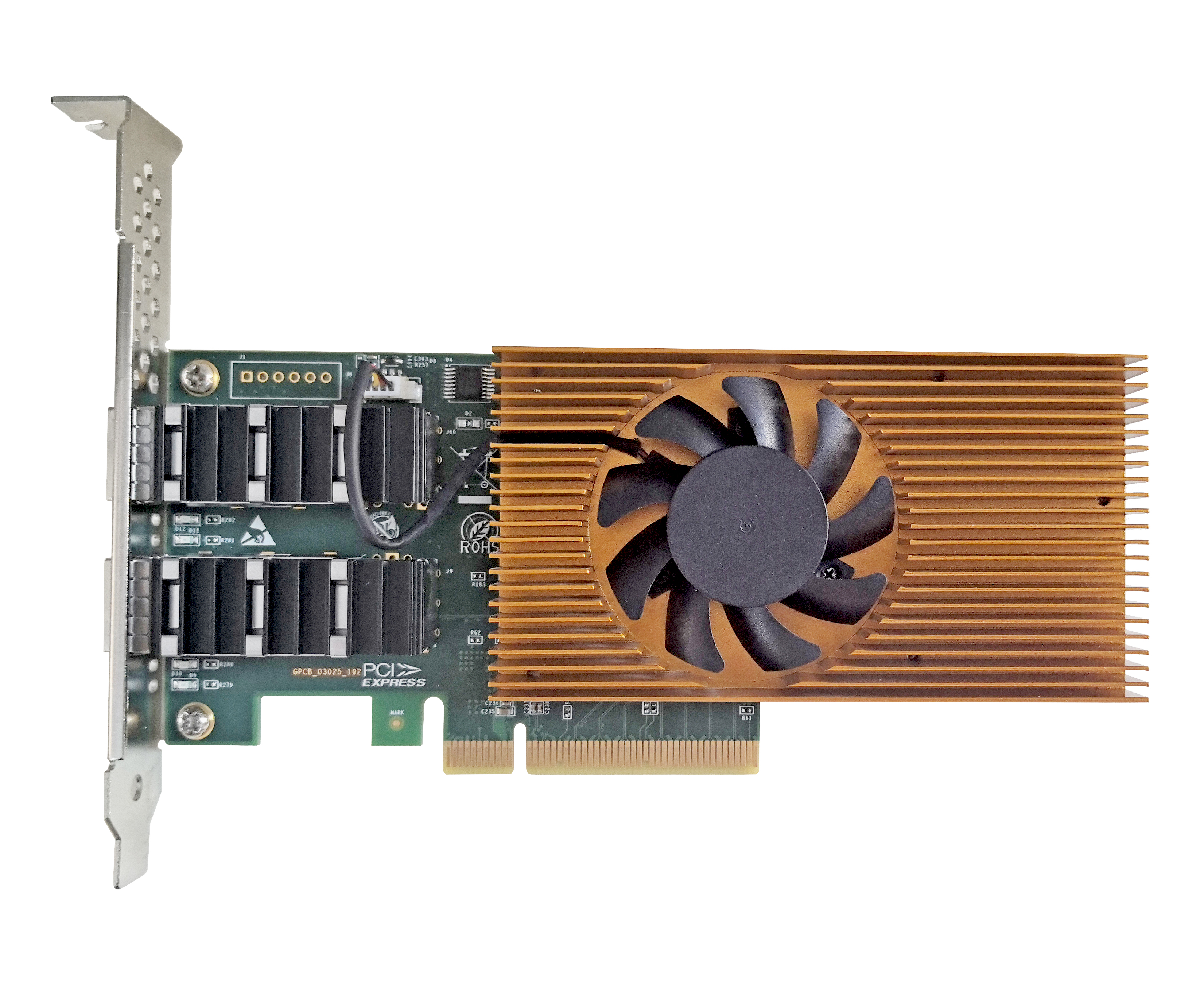
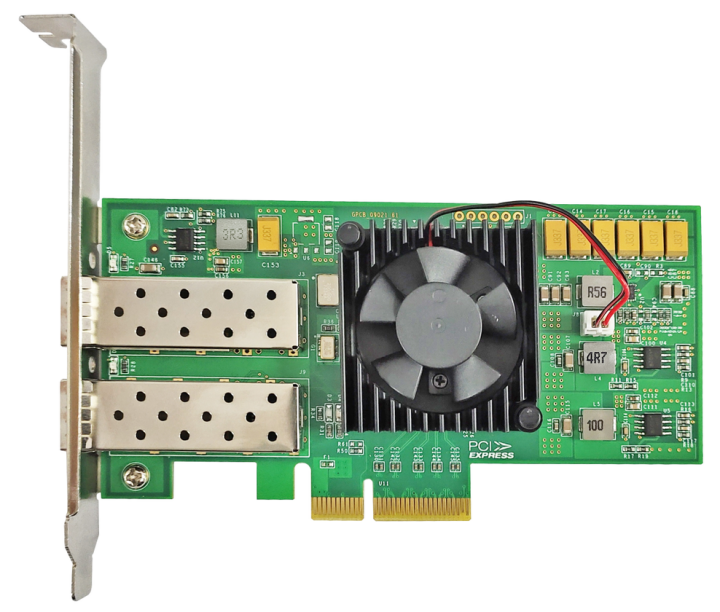
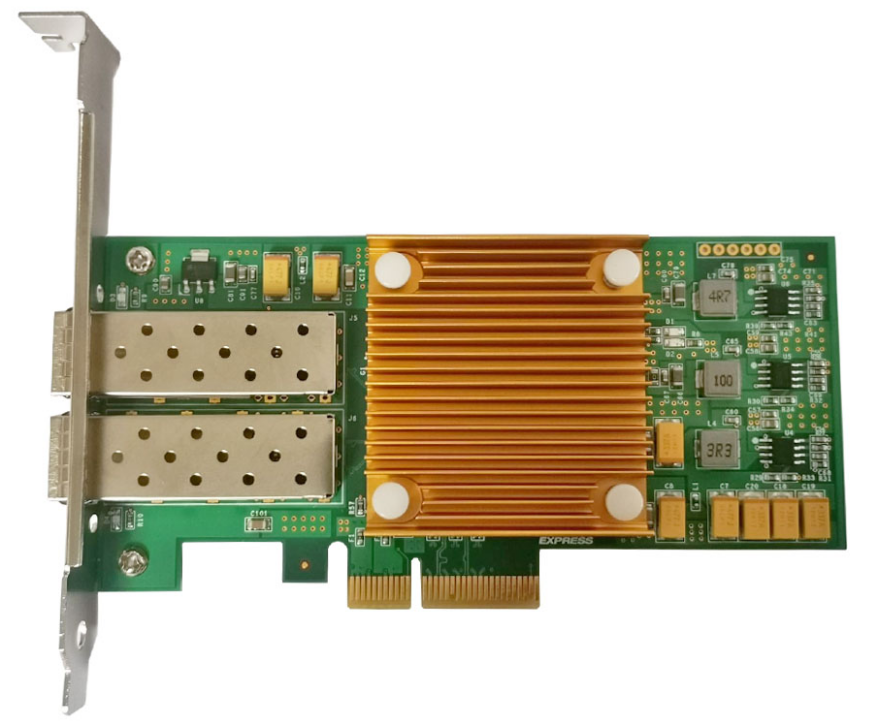
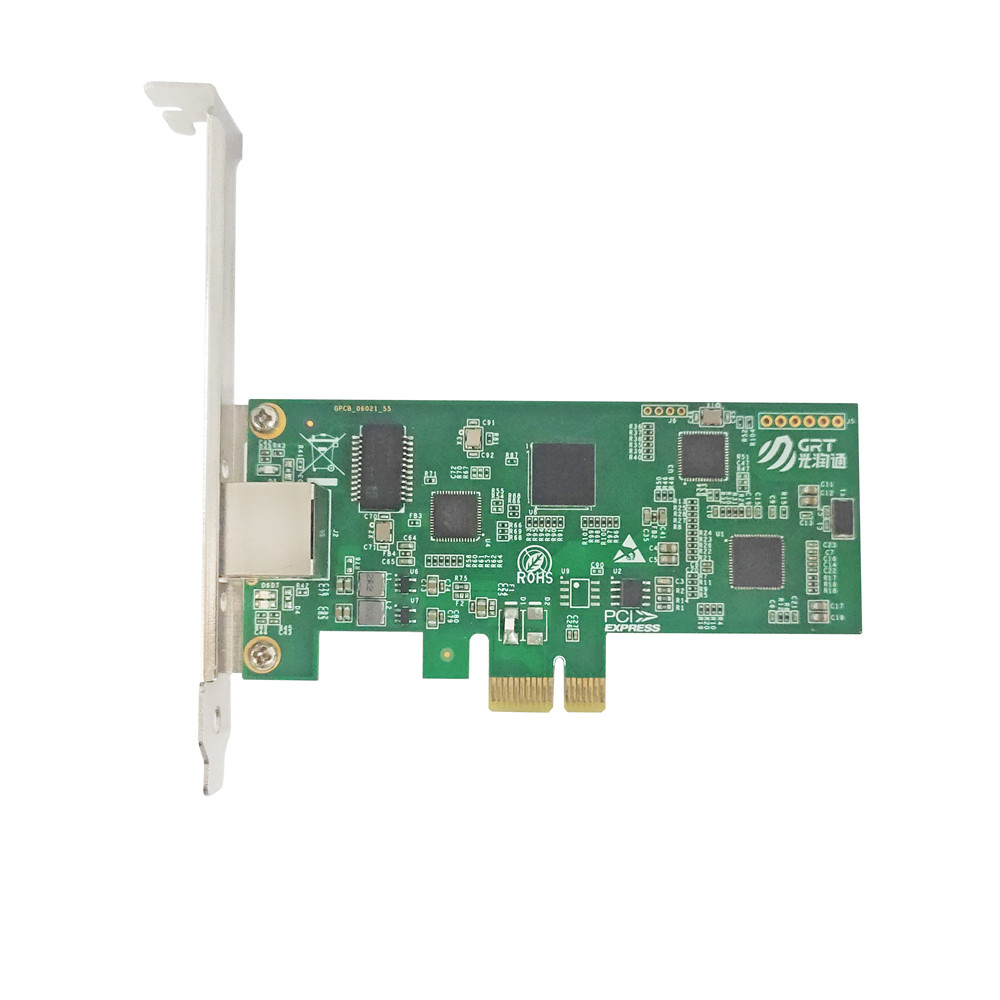
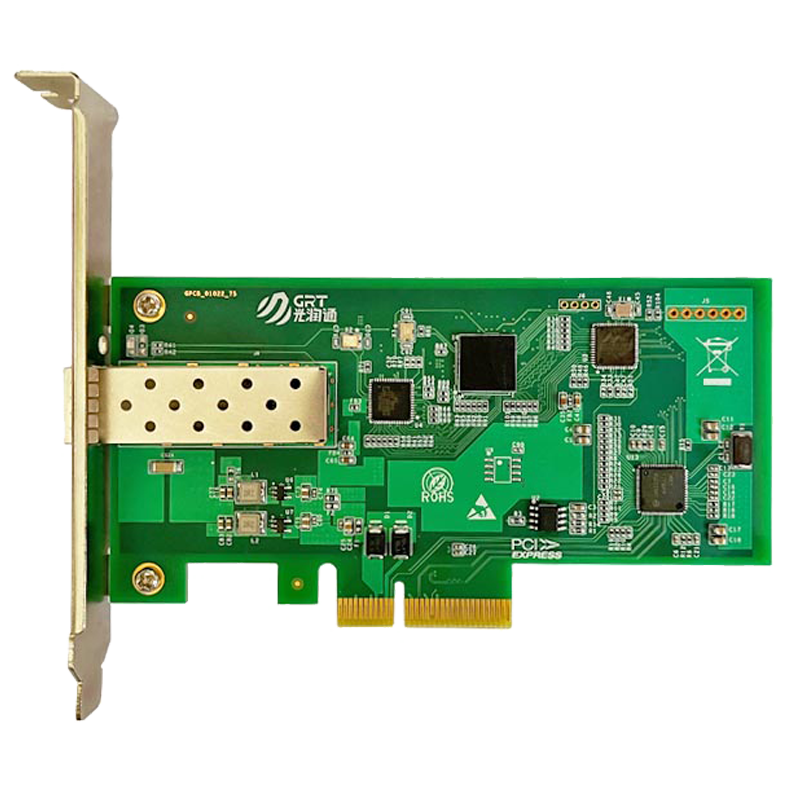
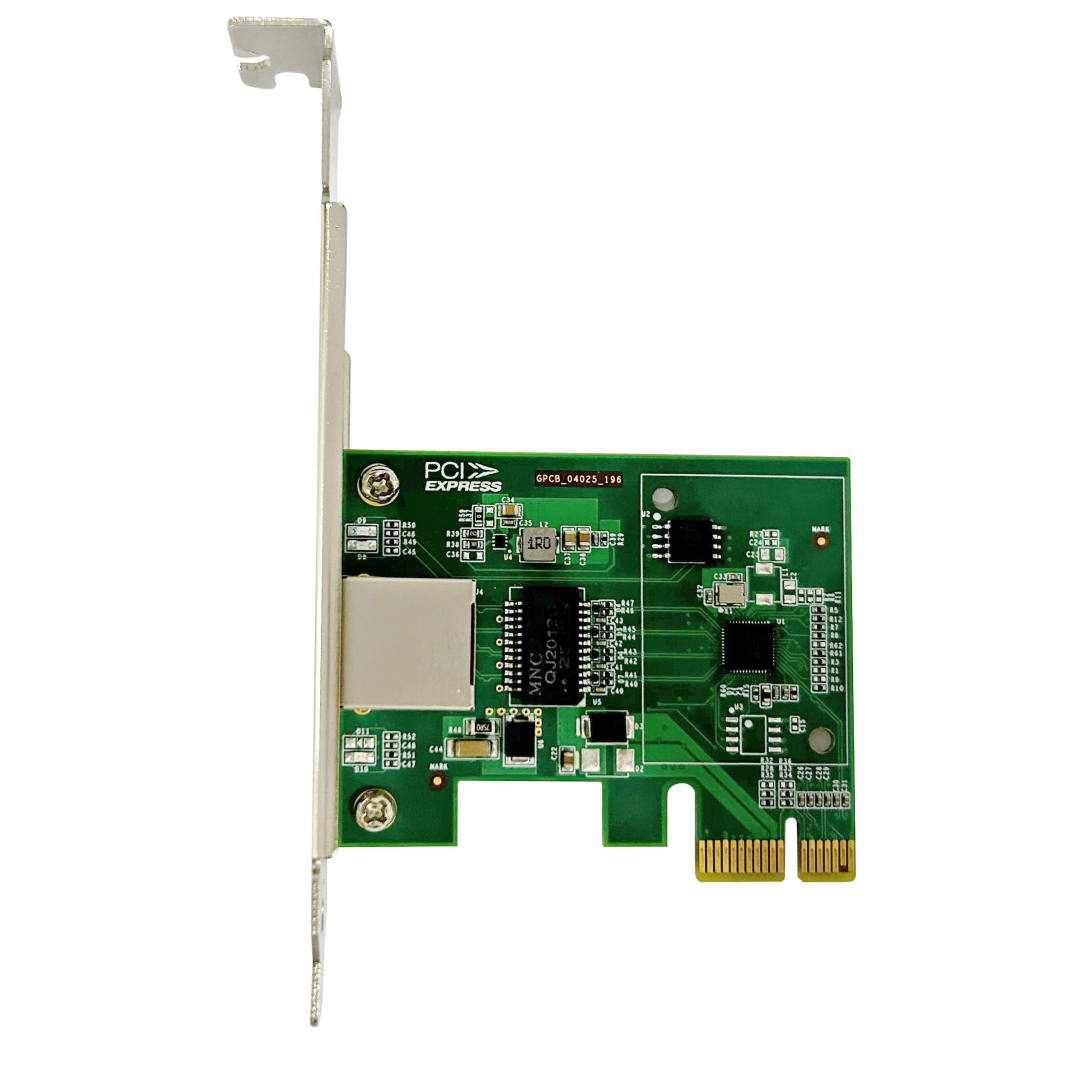
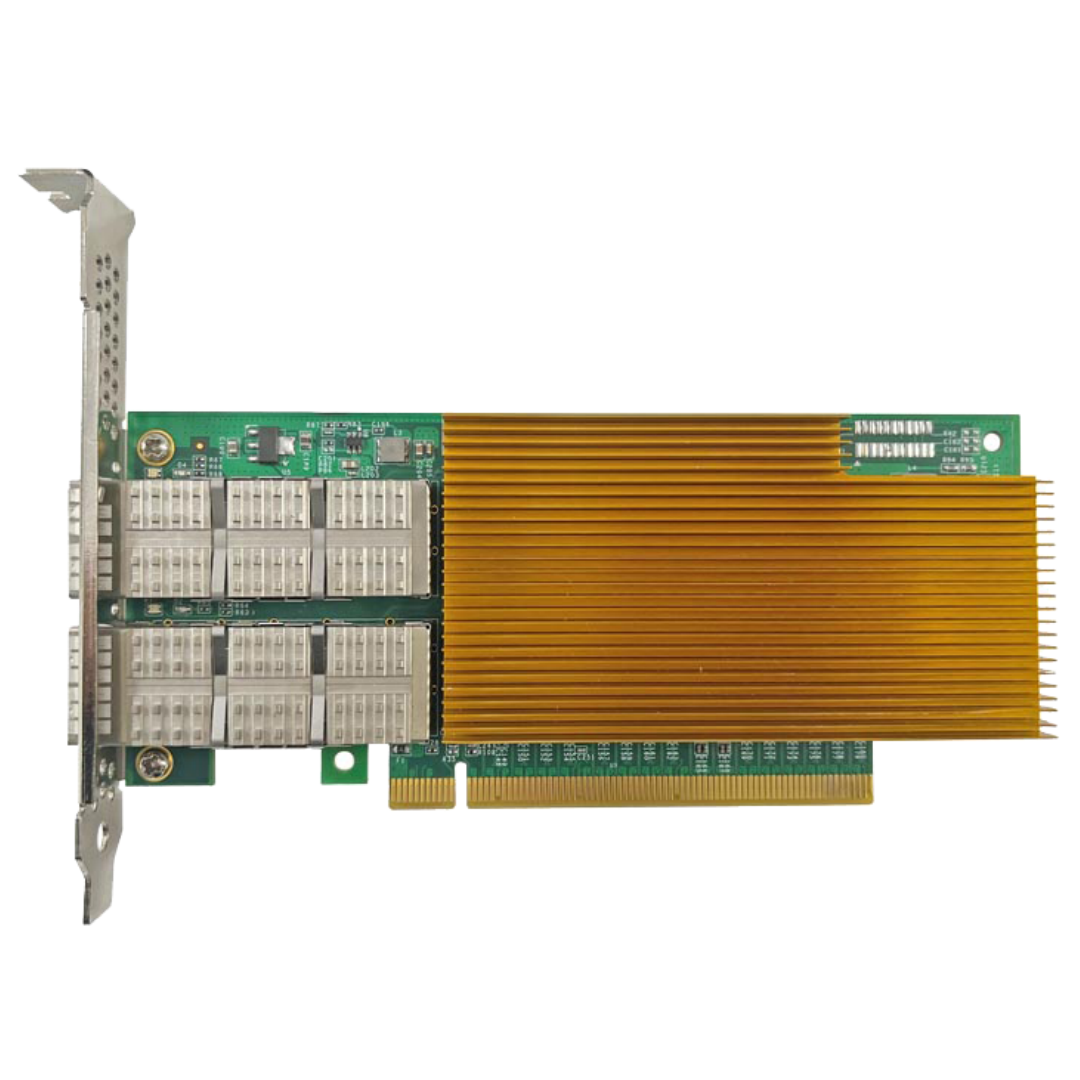
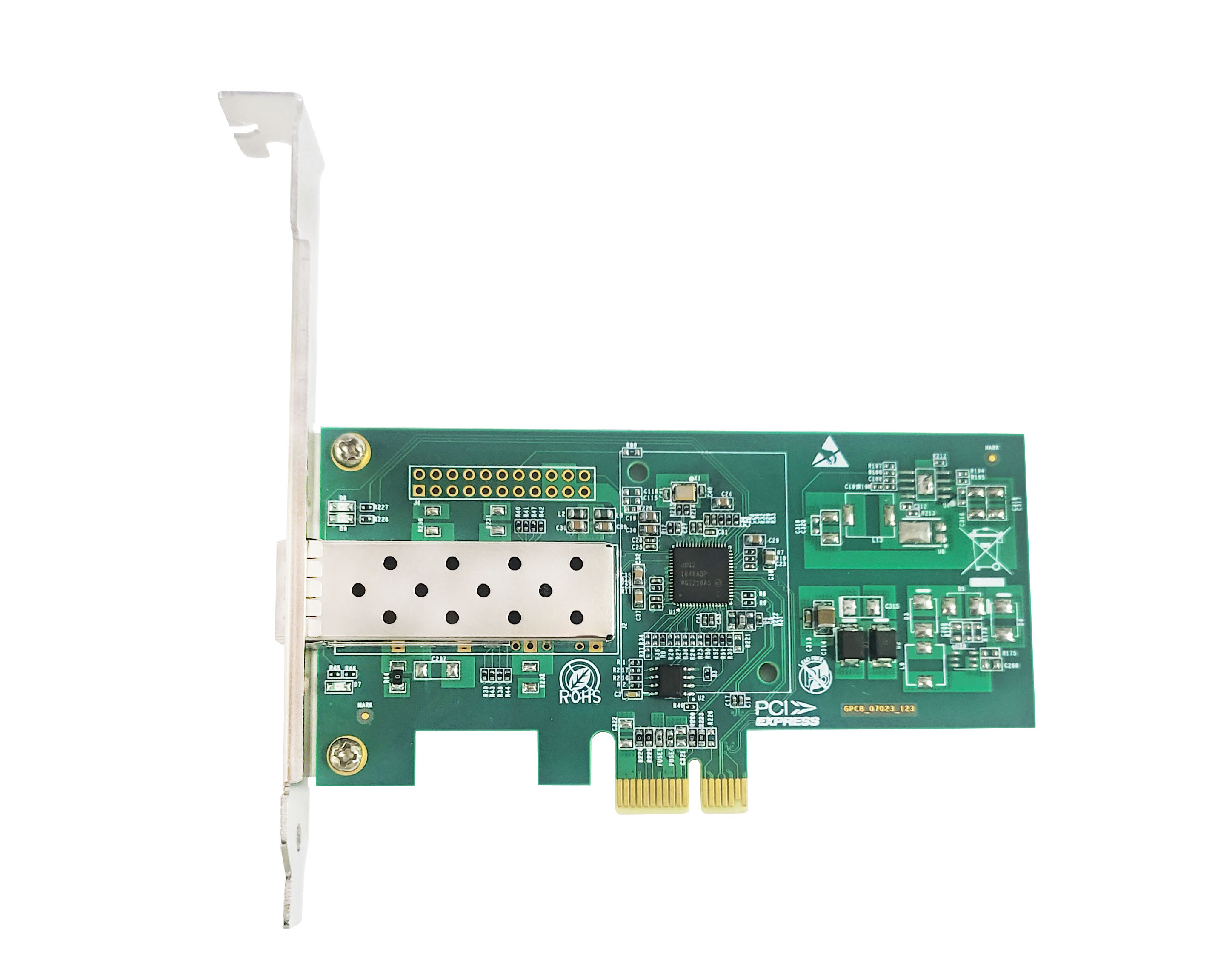
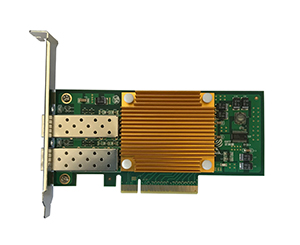
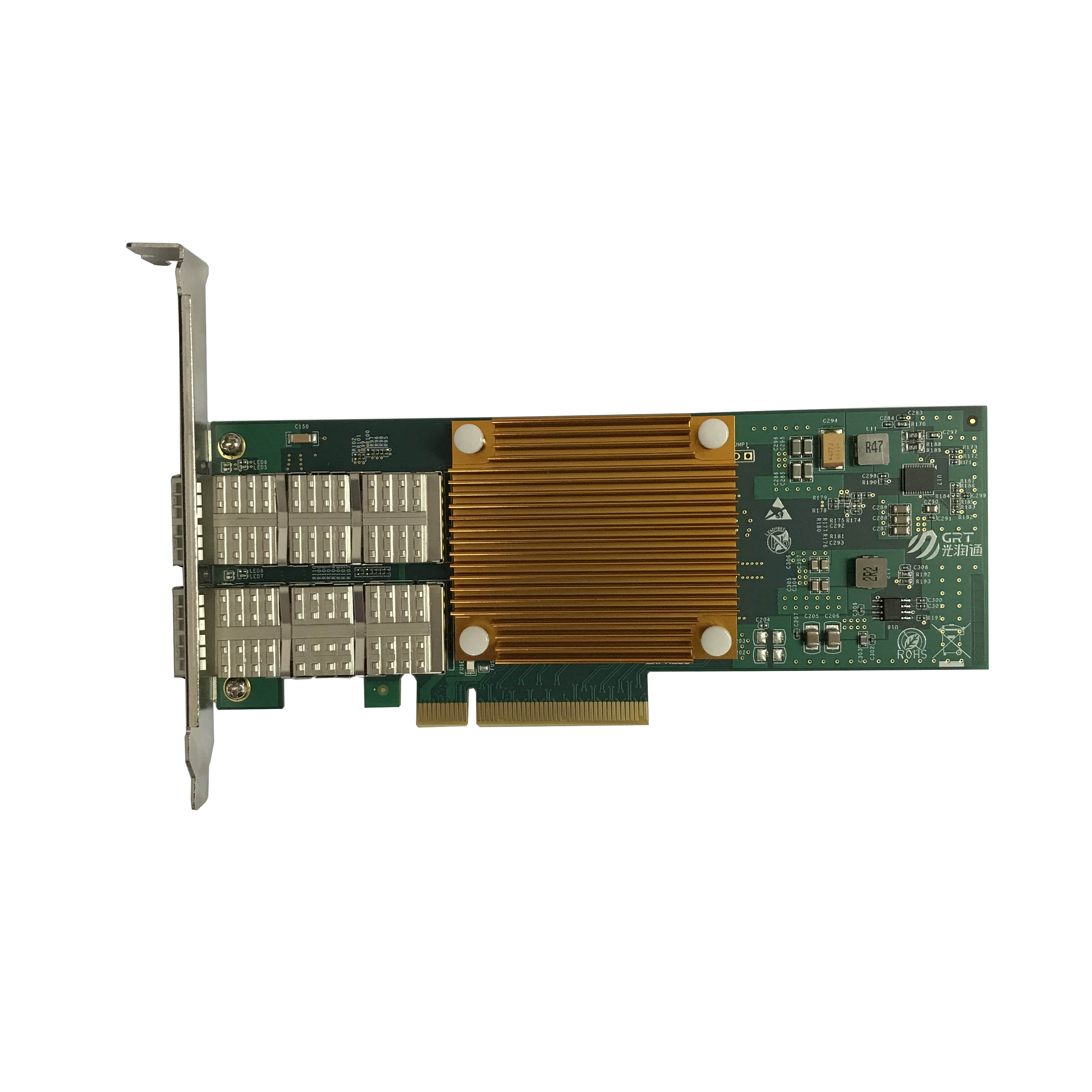
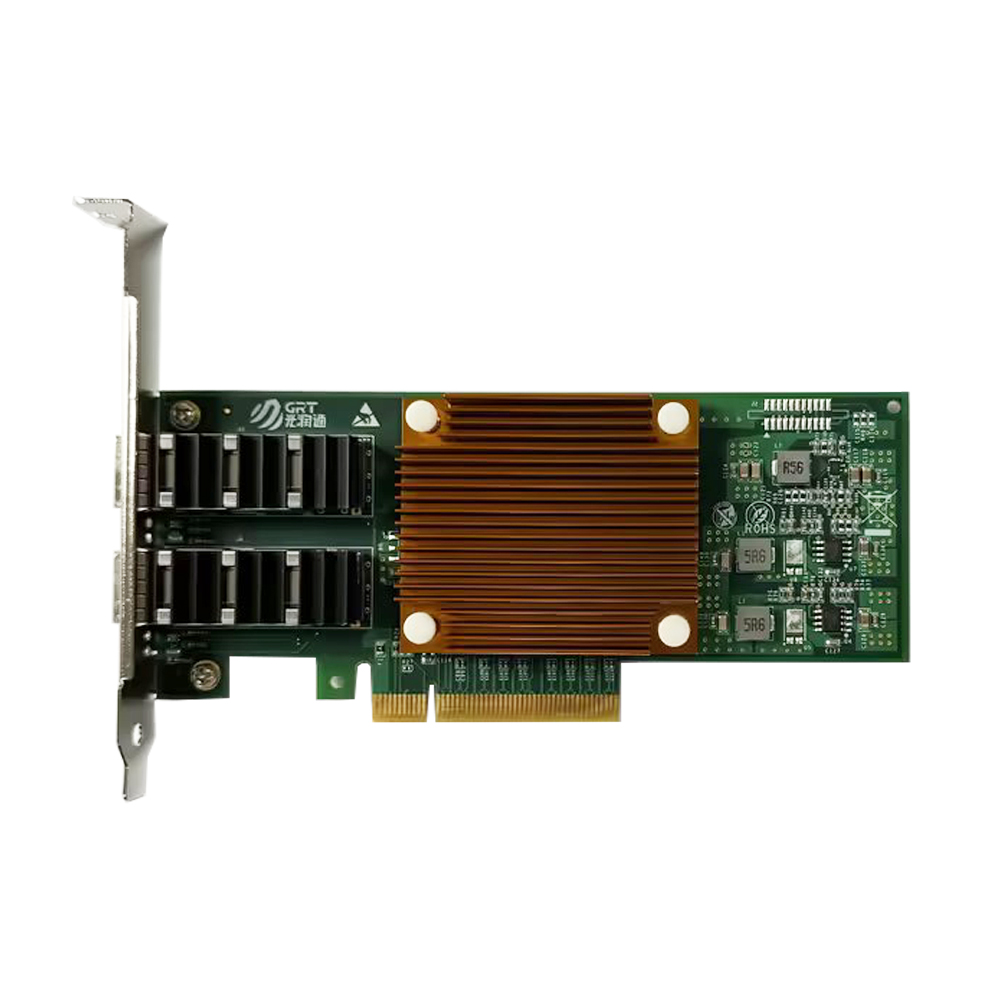
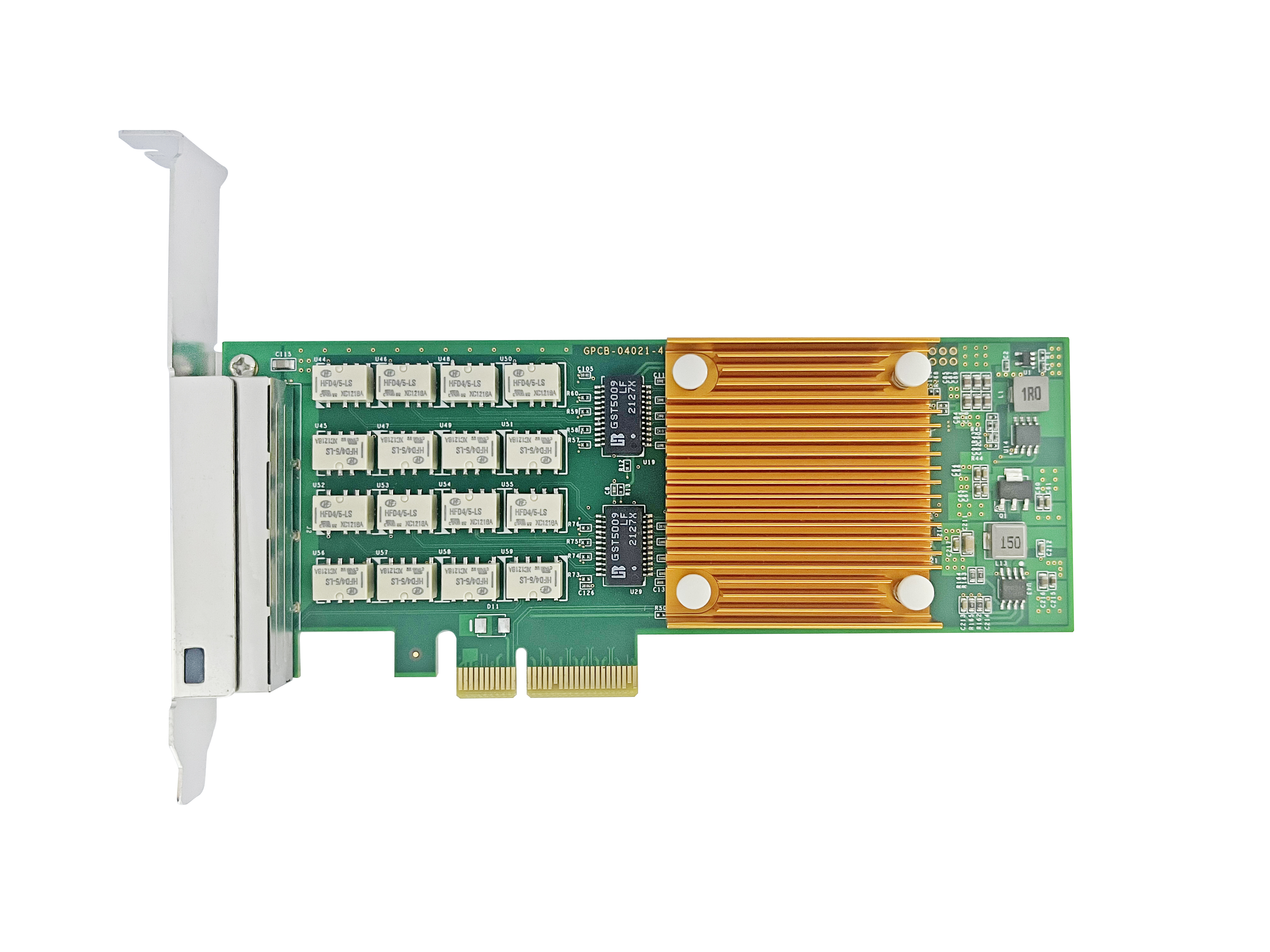
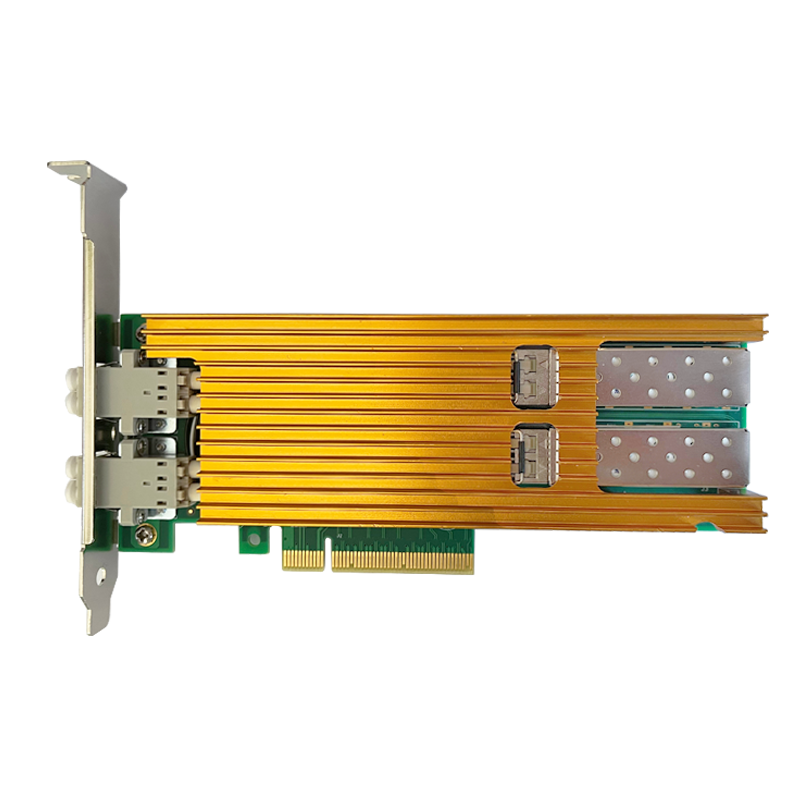
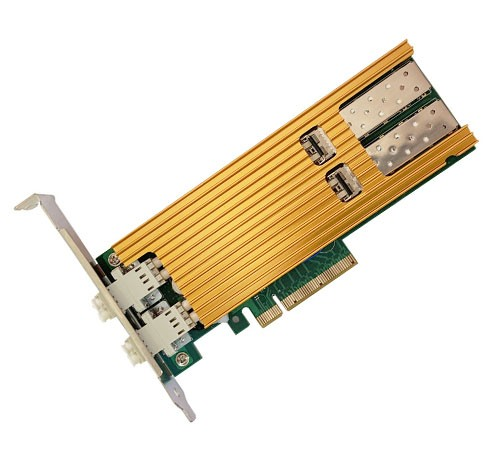
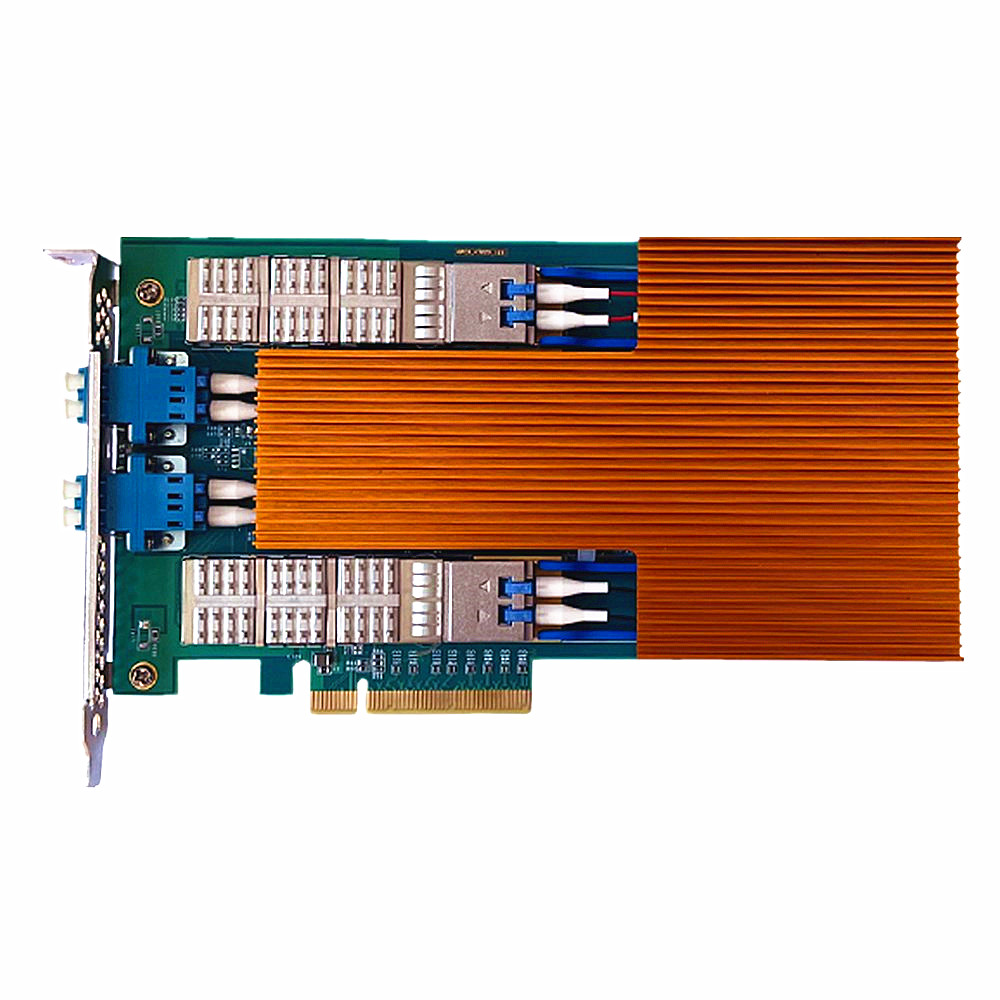
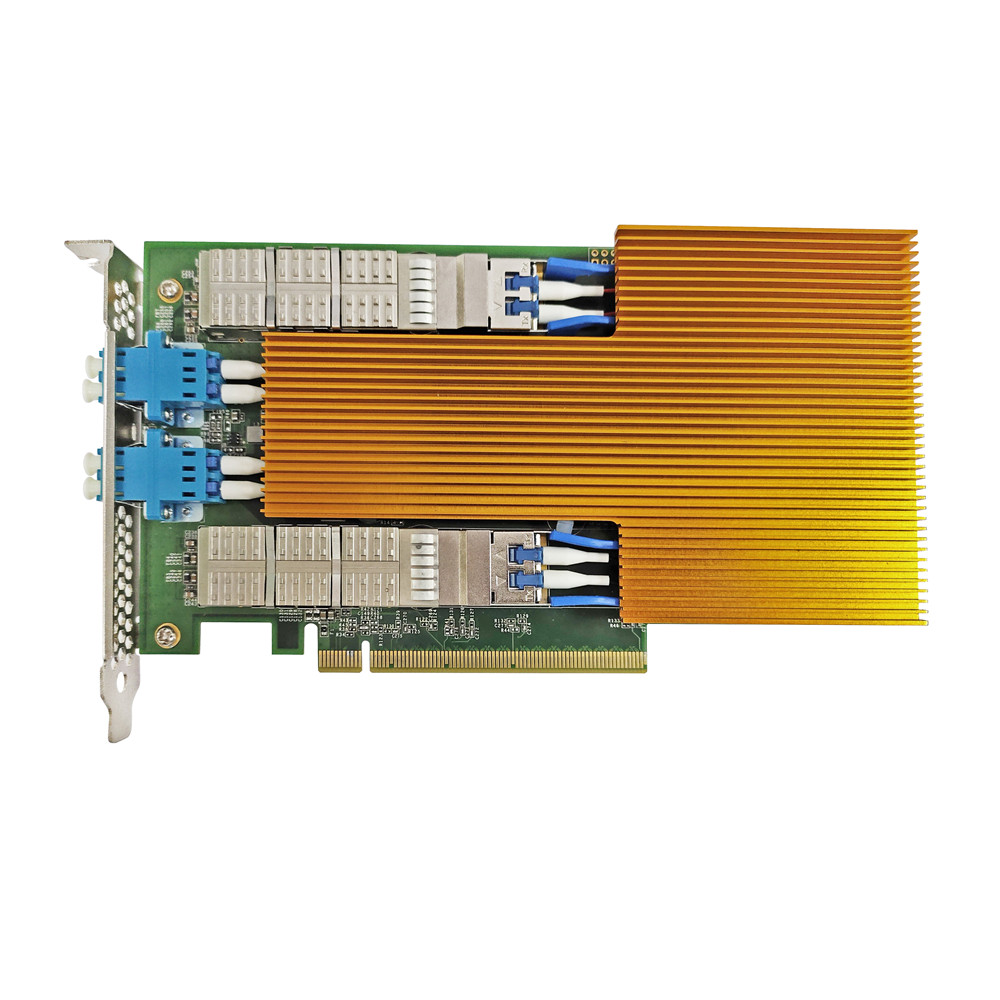
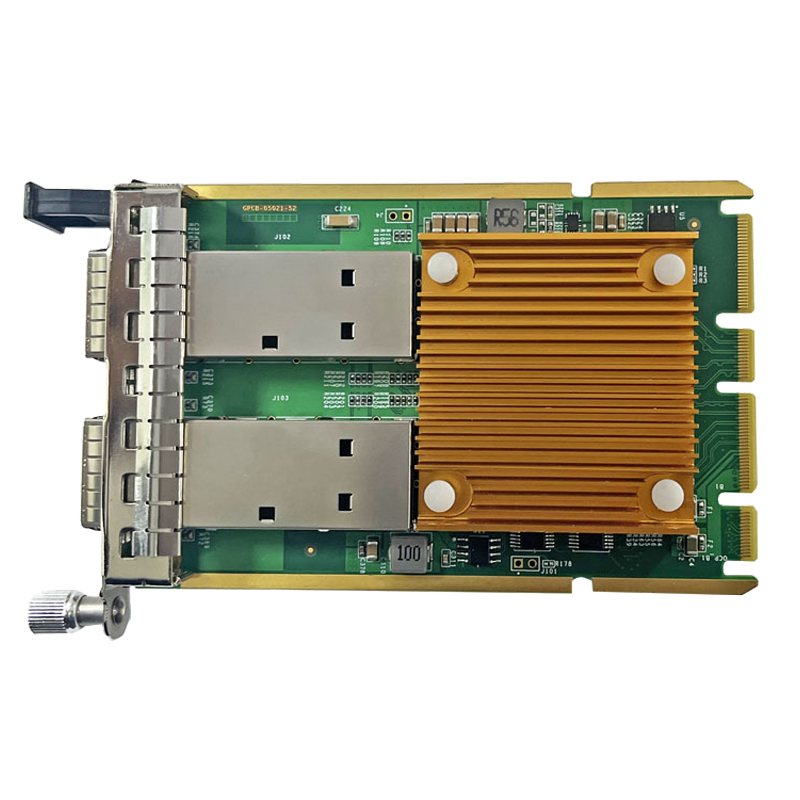
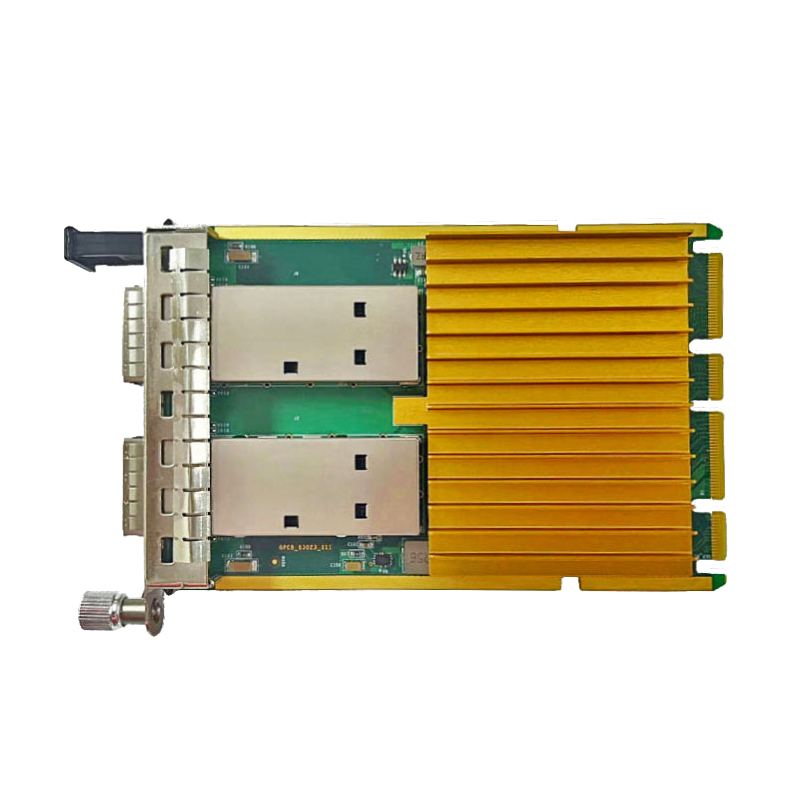
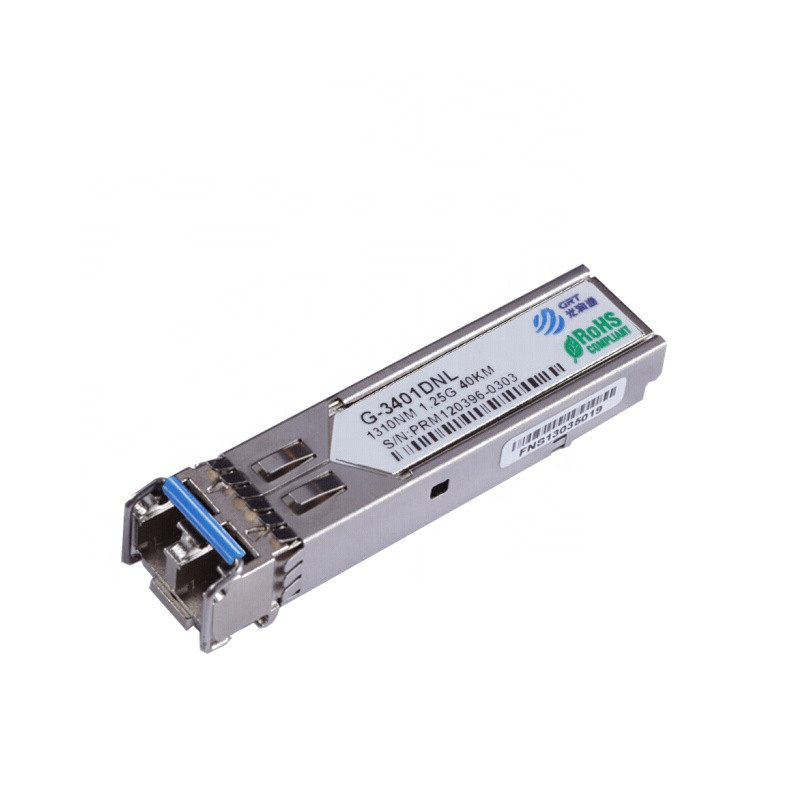
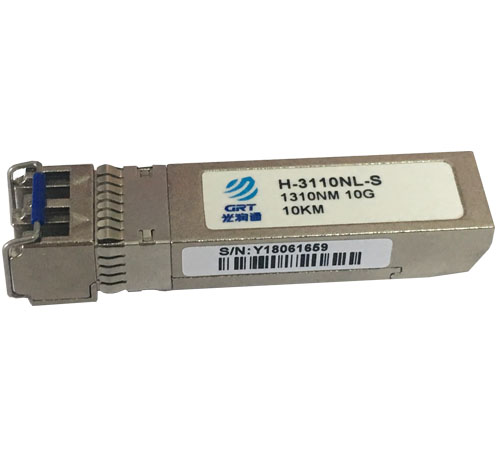
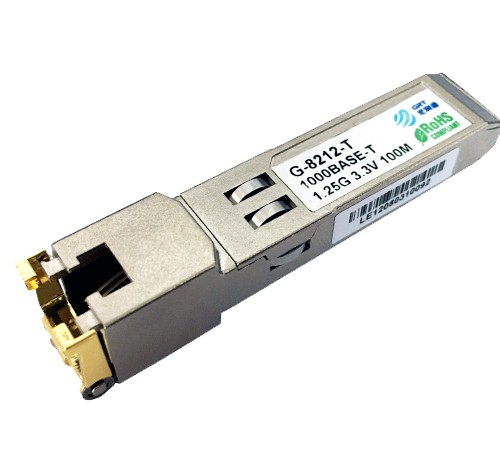
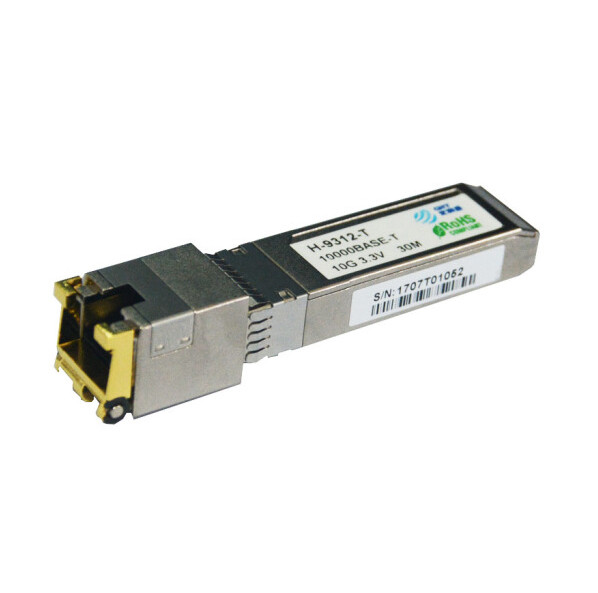
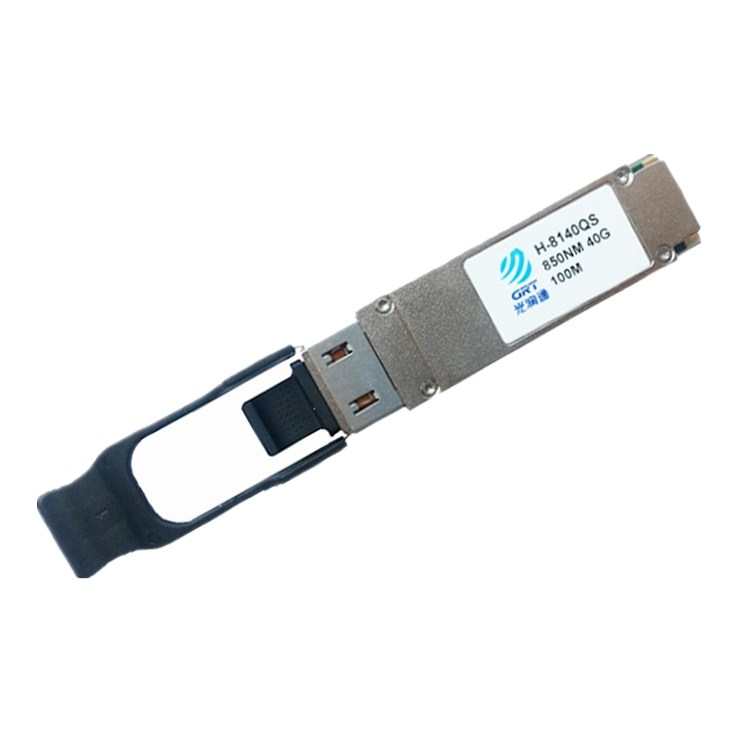
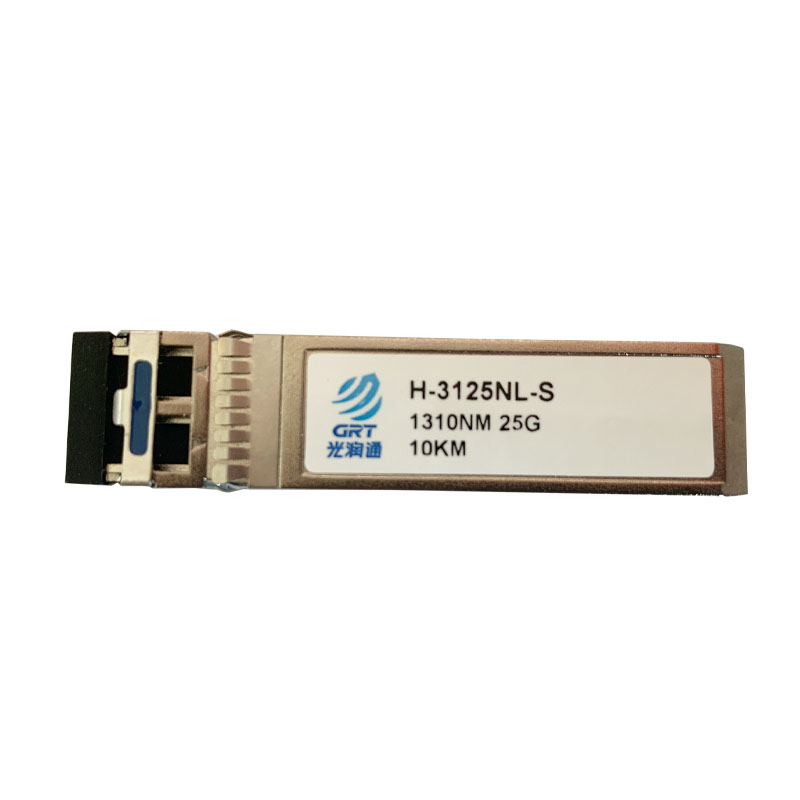
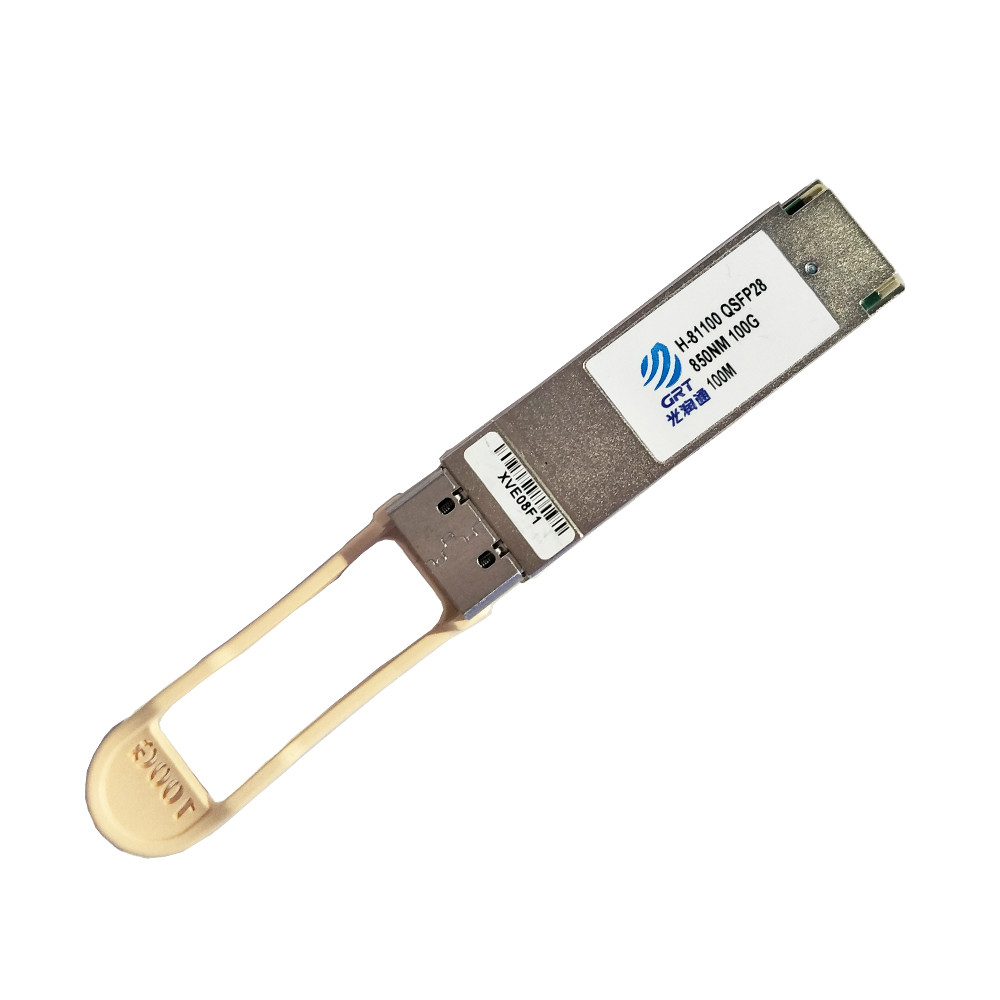
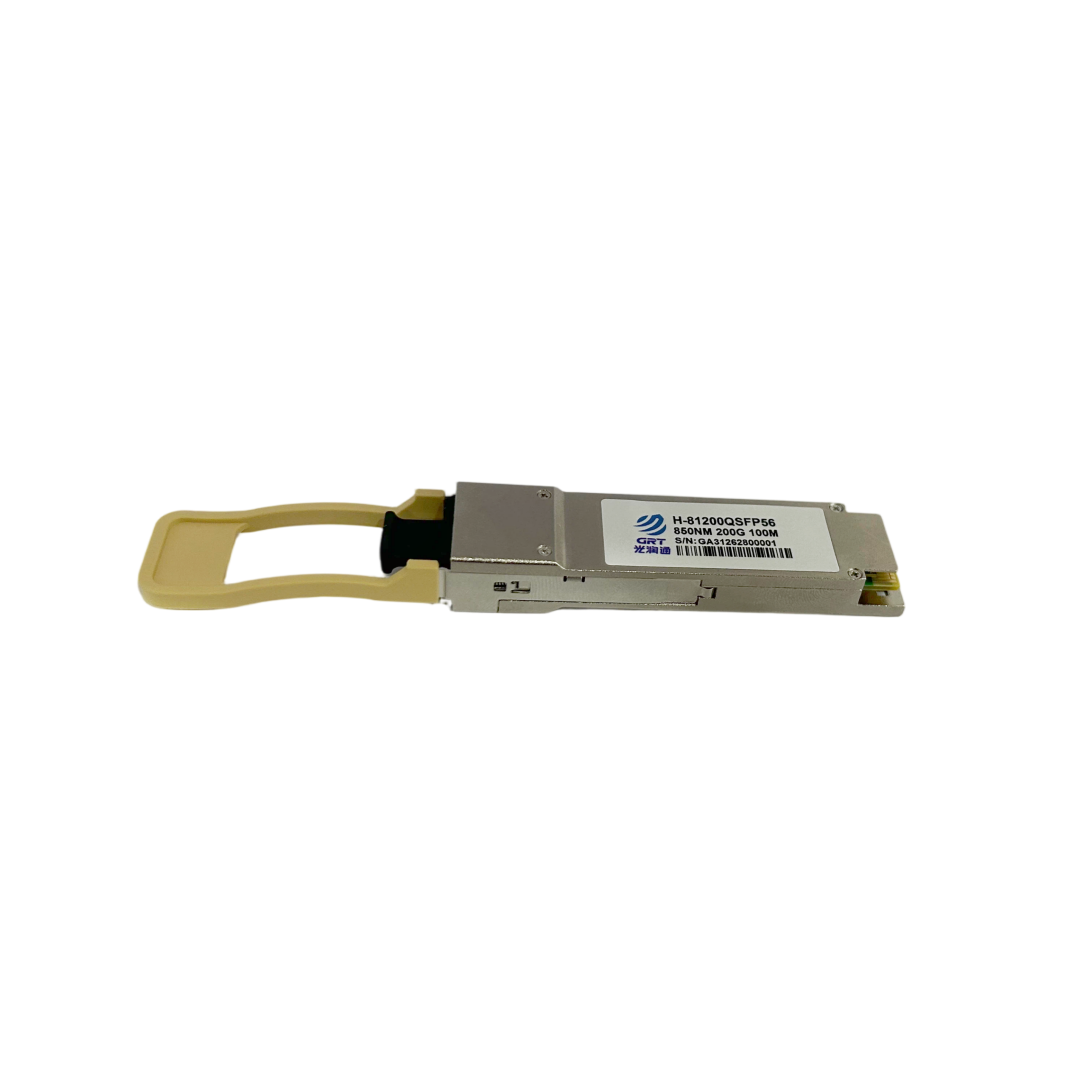
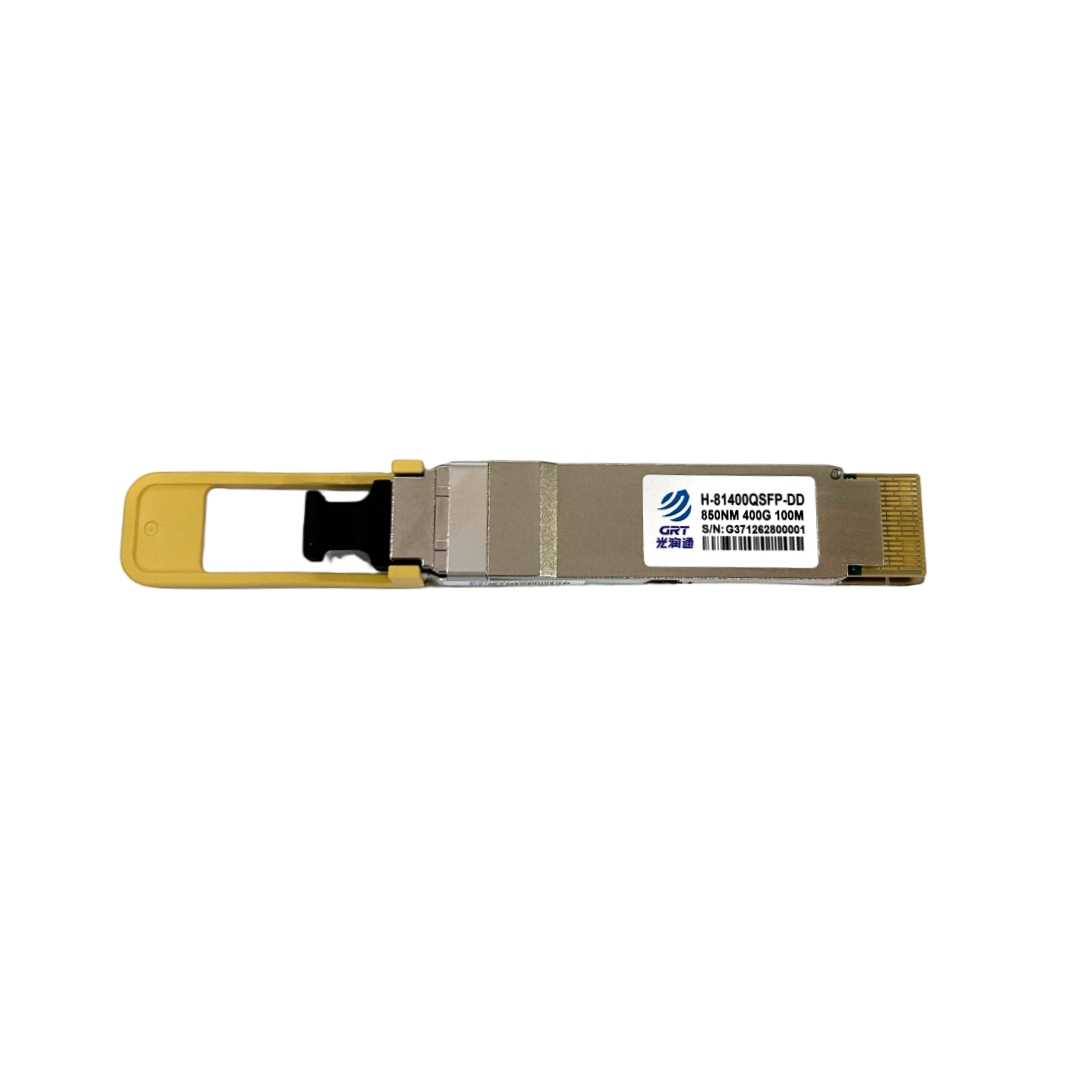
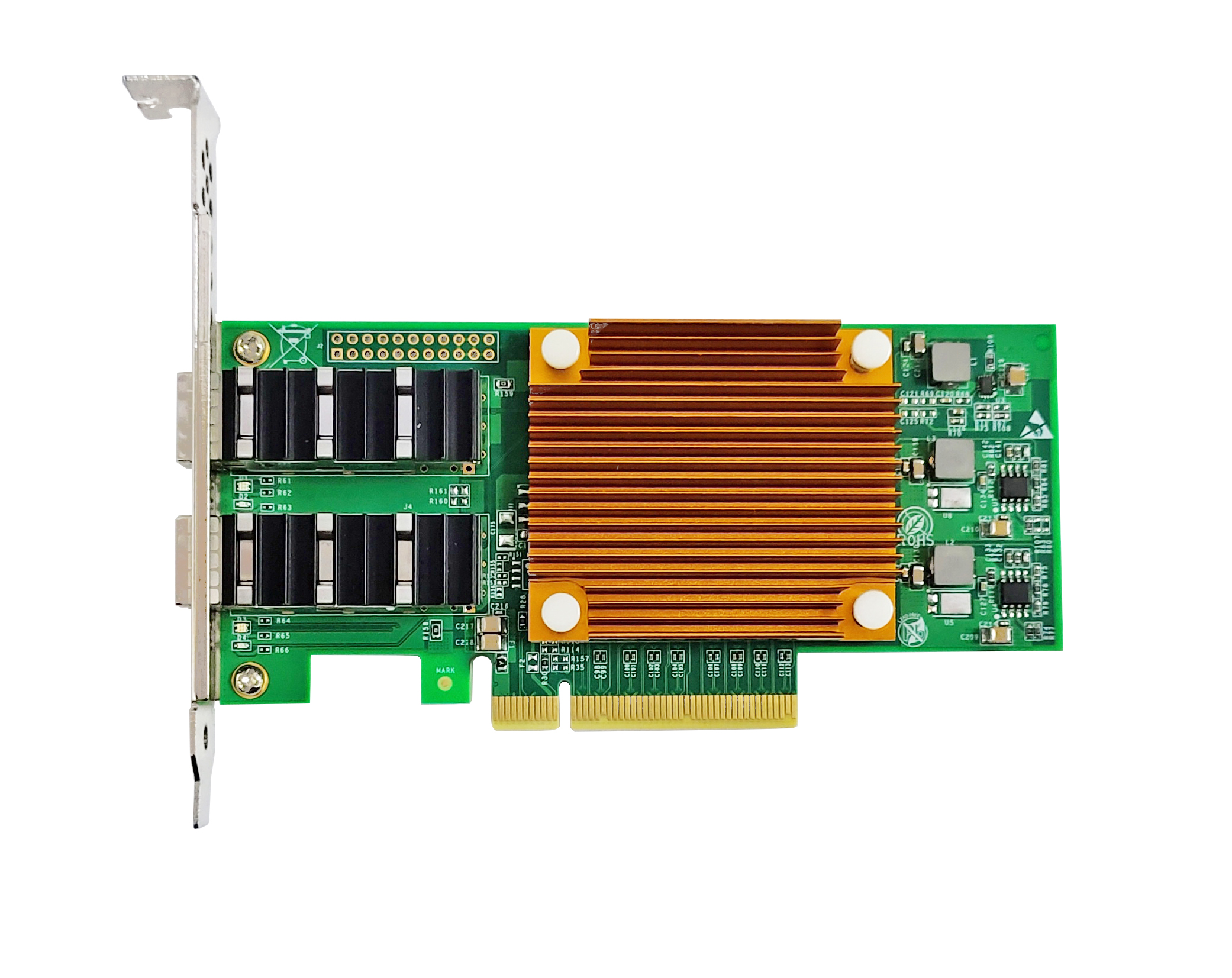
Guangruntong's product portfolio includes WDM equipment and other optical communication products, providing customers with a variety of options for fiber-optic communication links. From fiber optic network adapters and optical modules to WDM equipment, Guangruntong (GRT) continues to expand its product portfolio to meet fiber-optic communication requirements across different application scenarios.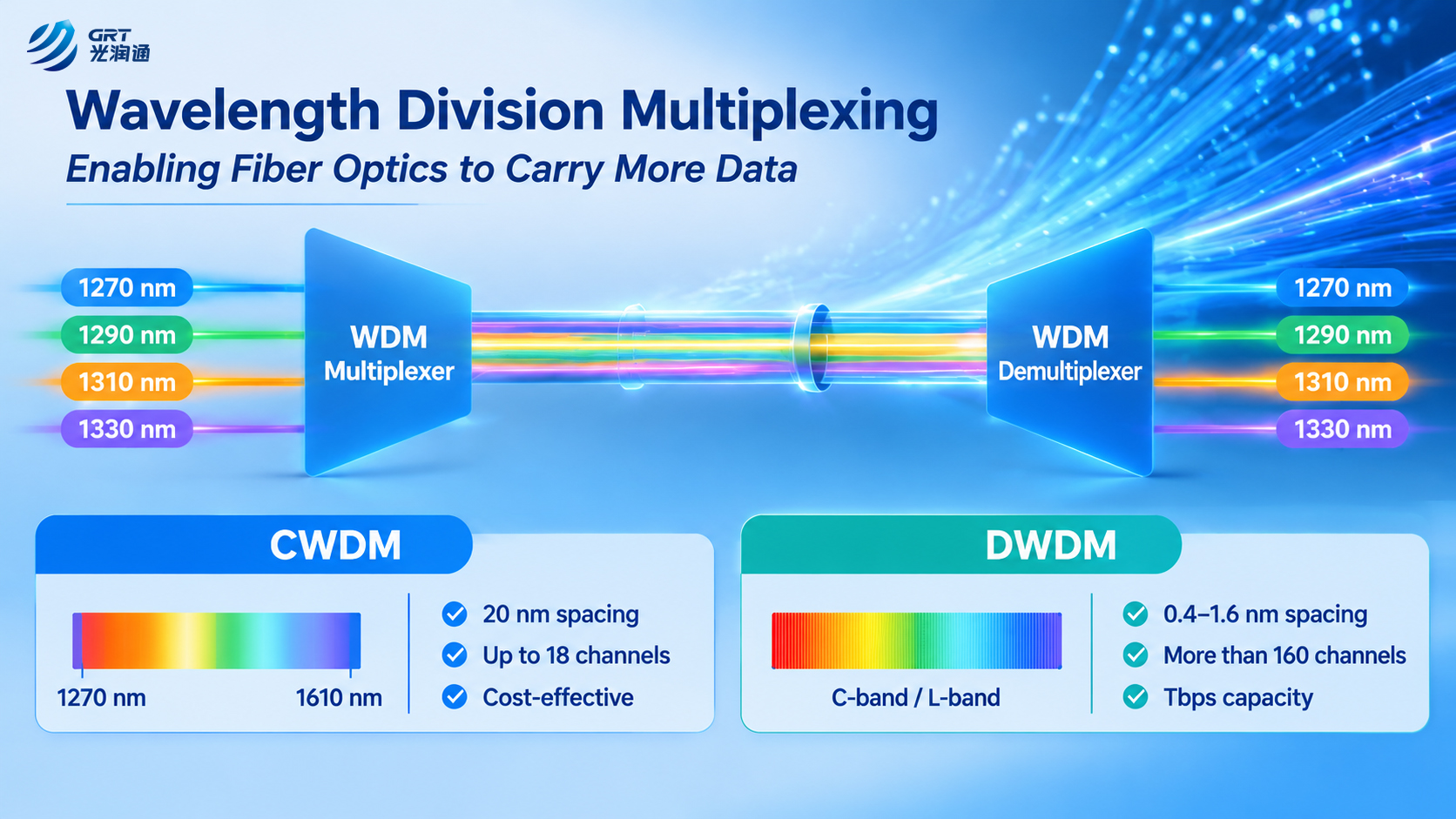
- Prev: How PCIe Interfaces Affect Signal Integrity
- Next: None
Latest information
- Wavelength Division Multiplexing: Enabling Fiber Optics to Carry More Data
- How PCIe Interfaces Affect Signal Integrity
- DDM Function of Optical Modules
- Precision Time Protocol (PTP)
- How NIC Interrupt Moderation Reduces CPU Load but Introduces Latency and Jitter
- The High-Performance Network Revolution in the AI Era: RDMA
- NAS Storage Network Upgrade Guide
- Why Does Upgrading Your NAS to 2.5GbE Not Improve Network Speed?