Sign in






Precision Time Protocol (PTP)
< BackPrecision Time Protocol (PTP)
On a single computer, minor system clock deviations usually have little impact. However, in distributed systems—such as financial trading, industrial automation, 5G base stations, and audio/video synchronization—inconsistent time across devices can cause serious problems, including incorrect transaction ordering, unsynchronized sampling data, and signal interference. How can devices distributed throughout a network share a unified time reference? The Precision Time Protocol (PTP) is a key technology designed to address this requirement.
Why Precise Time Synchronization Is Needed
Traditional Network Time Protocol (NTP) can synchronize device clocks with millisecond-level accuracy, which is sufficient for many general-purpose applications. However, in certain high-precision scenarios, millisecond-level errors are unacceptable.
In high-frequency financial trading, for example, the order in which transactions arrive directly affects execution results. If two trading centers differ by several milliseconds, it may be impossible to determine accurately which order arrived first, potentially leading to transaction disputes. In 5G fronthaul networks, base stations require synchronization accuracy at the microsecond or even nanosecond level. Otherwise, inter-cell interference and handover failures may occur. In industrial automation, multiple servo motors in motion-control systems must operate in strict synchronization. Time errors exceeding a microsecond can reduce processing accuracy.
PTP was developed to meet these requirements. It enables sub-microsecond time synchronization over a network, supporting applications that demand high precision.
Basic Principles of PTP
PTP works by measuring packet transmission delays across a network, calculating the time difference between the master clock and slave clocks, and adjusting the slave clocks accordingly.
A PTP network contains one or more clock sources. The clock with the highest precision is elected as the master clock, while other devices act as slave clocks and synchronize with it. The master periodically sends synchronization messages containing timestamps. Slave clocks record the local arrival time and, together with subsequent delay measurement messages, calculate the network transmission delay and the time difference between the master and slave.
The accuracy of timestamps is critical. PTP requires timestamps to be generated at the hardware level—when the NIC receives a packet—rather than when the operating system processes it. Software processing introduces unpredictable delays and random errors. NICs with hardware timestamping can capture packet arrival times at the physical or MAC layer, achieving nanosecond-level precision.
PTP Clock Types and Roles
PTP defines several clock types. An ordinary clock has only one PTP port and is typically used as a network endpoint. A boundary clock has multiple ports: it synchronizes with an upstream master as a slave clock and distributes time downstream as a master clock. It is commonly used in switches and helps prevent delay accumulation along the synchronization path. A transparent clock measures the residence time of packets passing through it and updates the correction field in the message, helping downstream devices calculate path delays more accurately.
The Role of Network Devices in Time Synchronization
Achieving sub-microsecond synchronization requires coordinated operation across every component of the network link. Hardware timestamping is particularly important for server NICs. Although this feature is more common in specialized devices or high-end chips, standard enterprise NICs can still meet the requirements of some less demanding applications through driver optimization and software protocol-stack support.
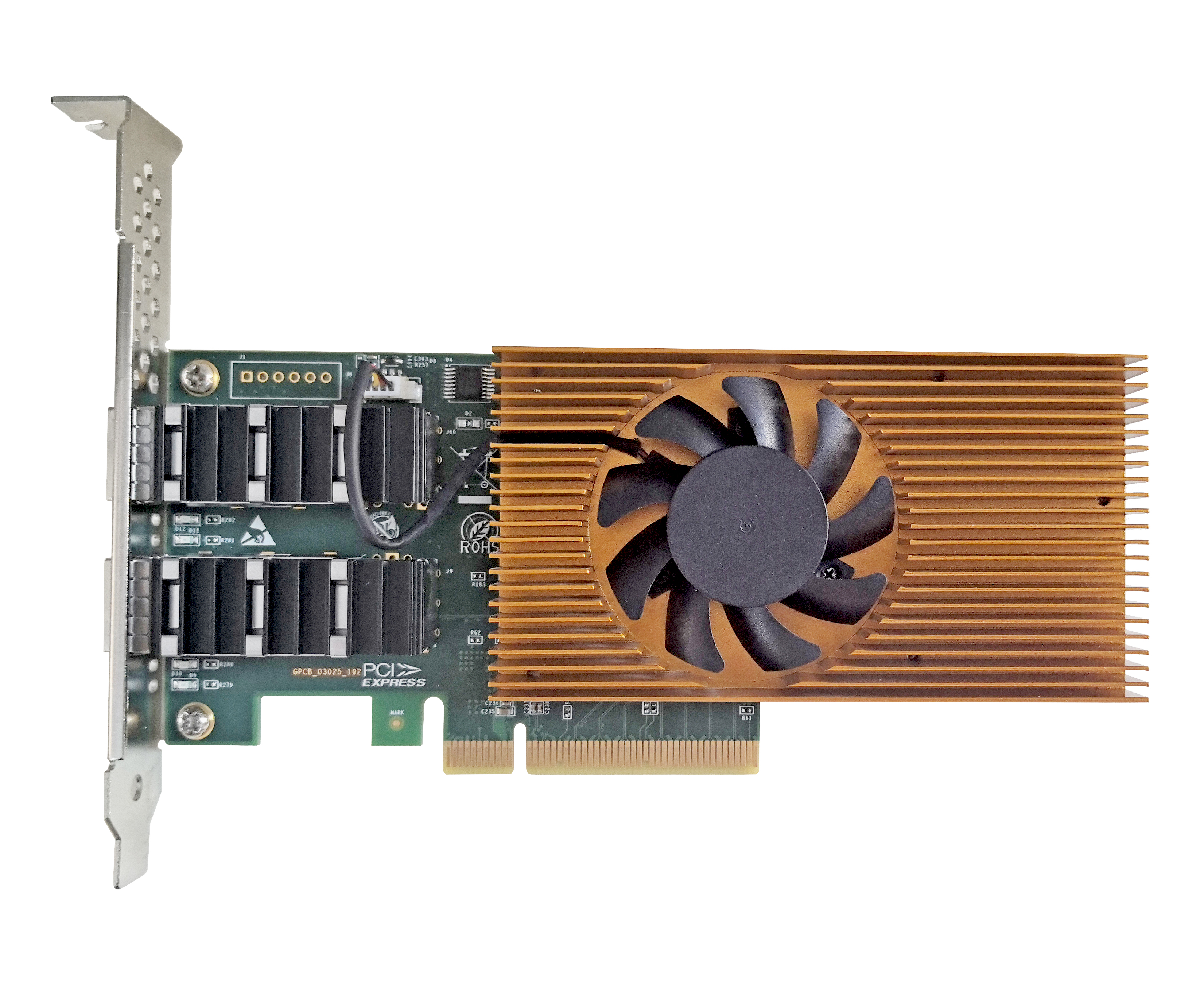
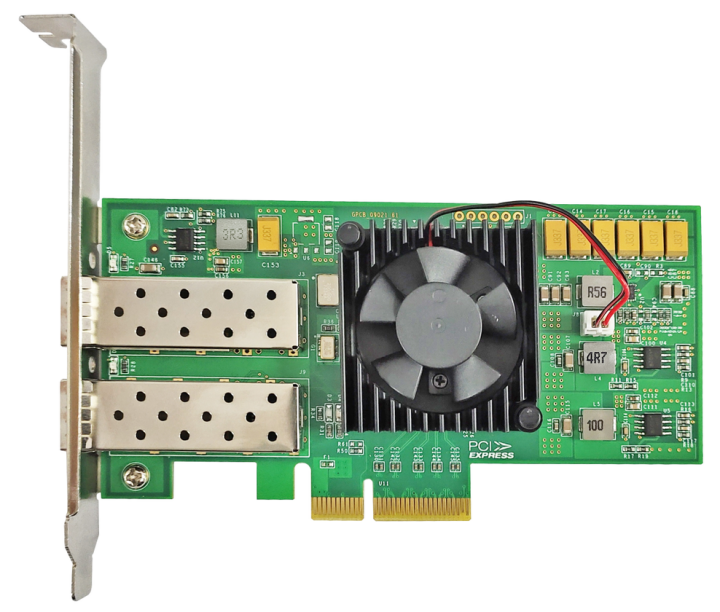
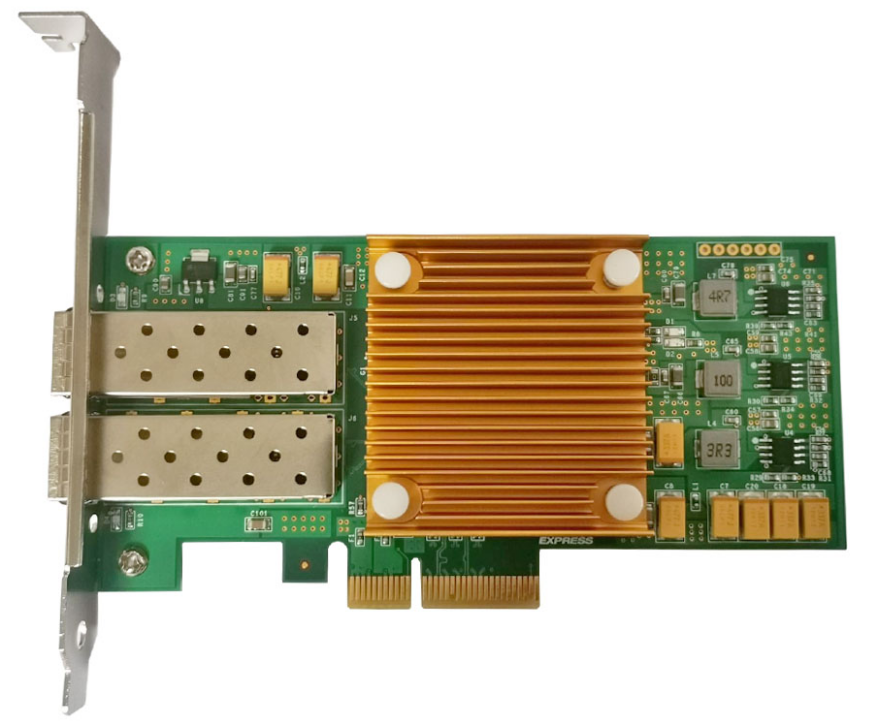
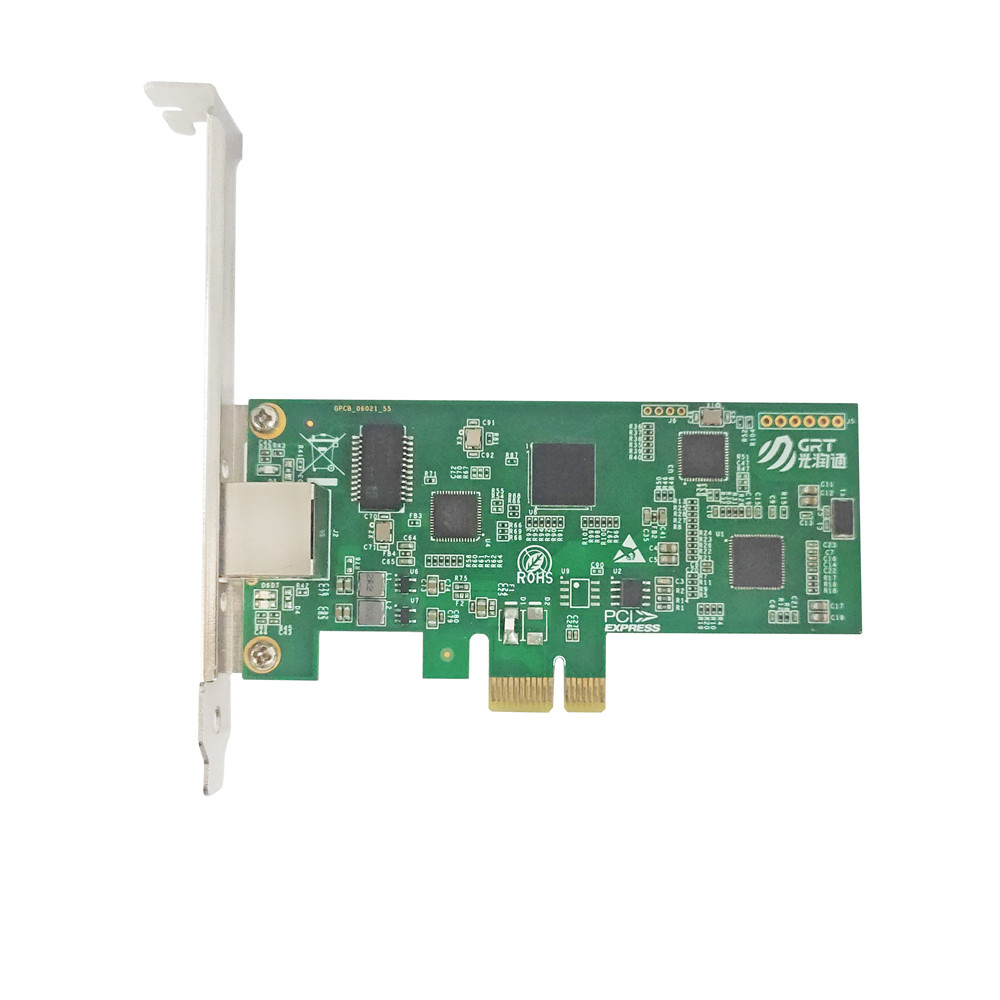
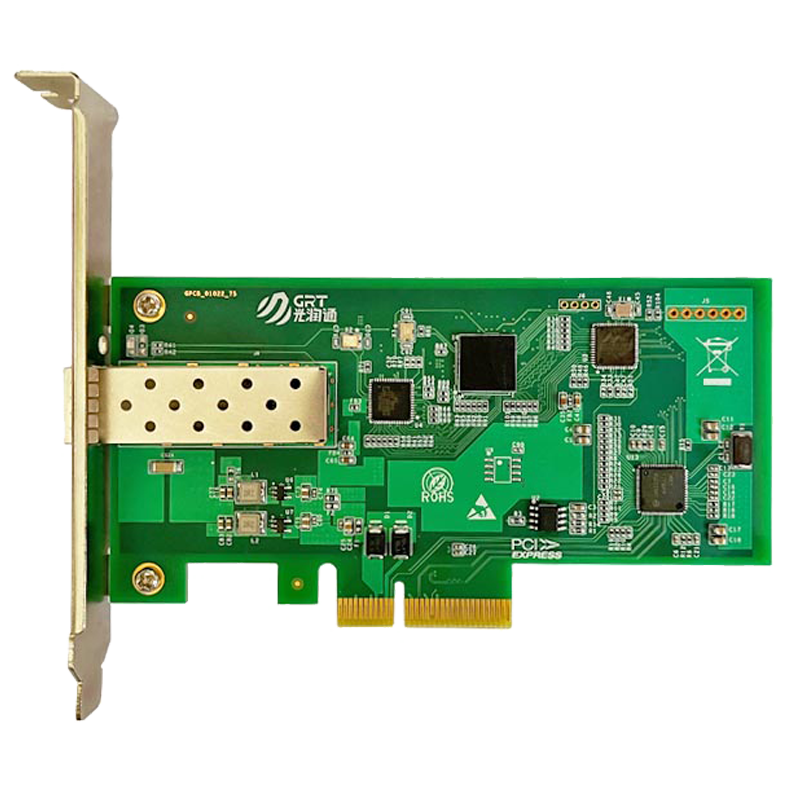
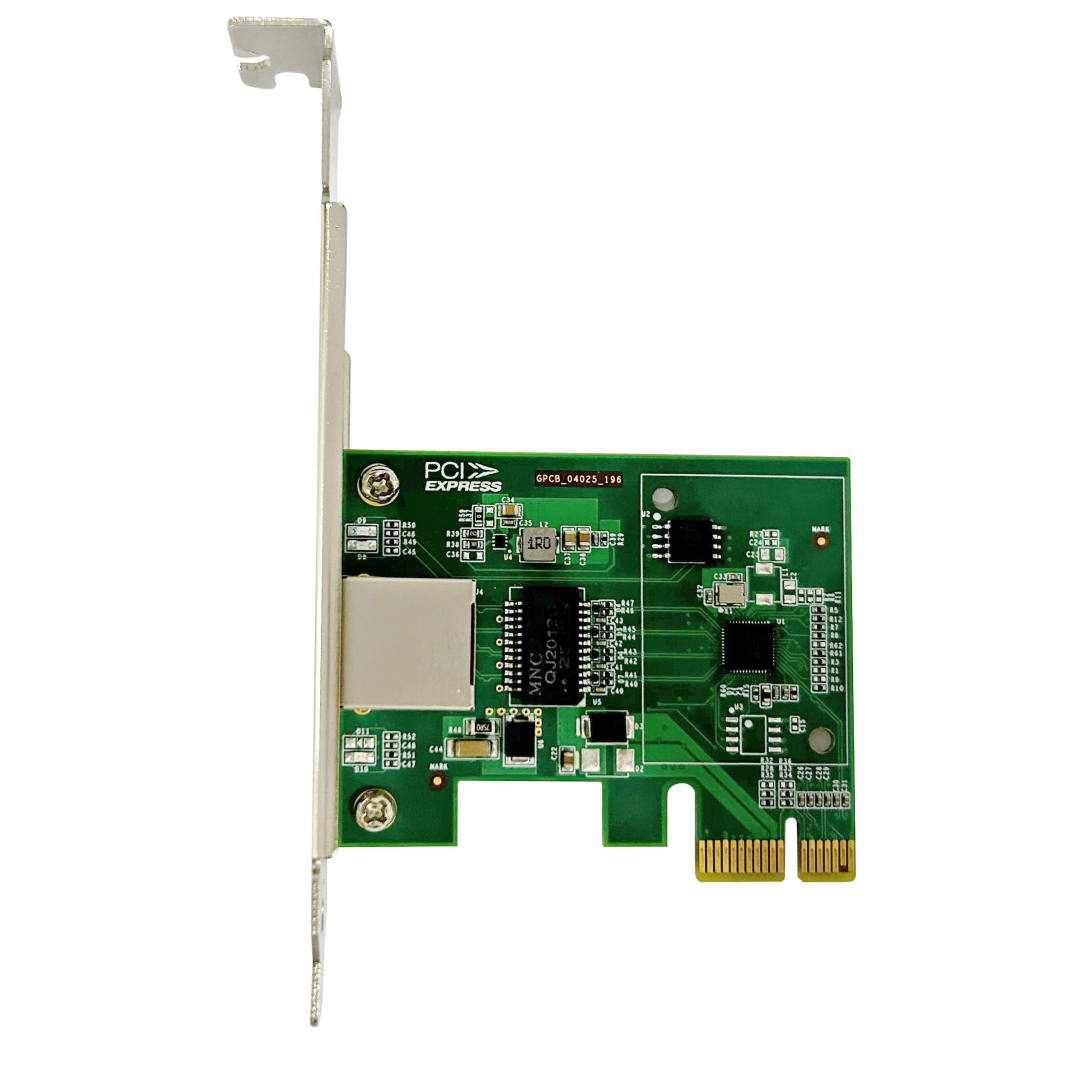
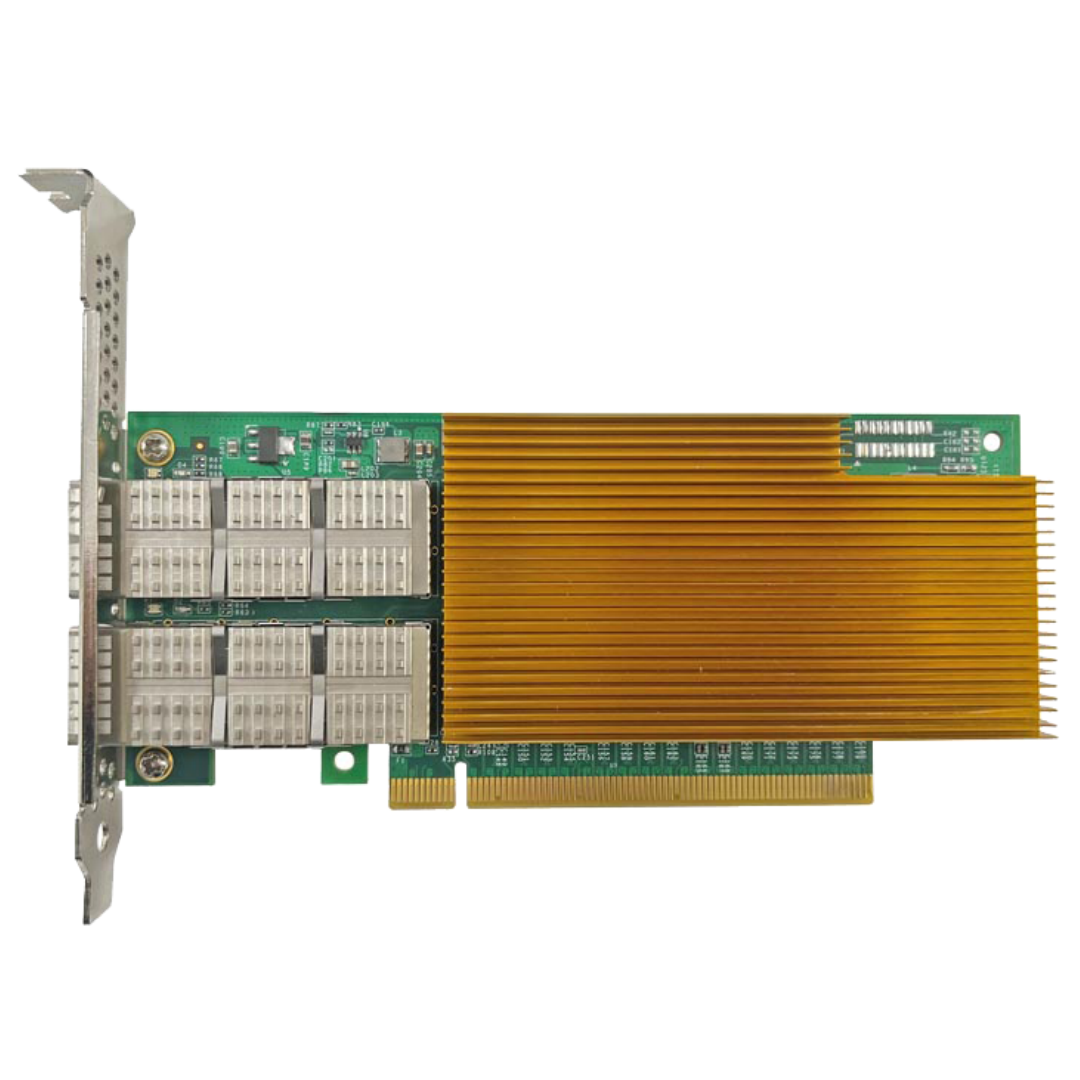
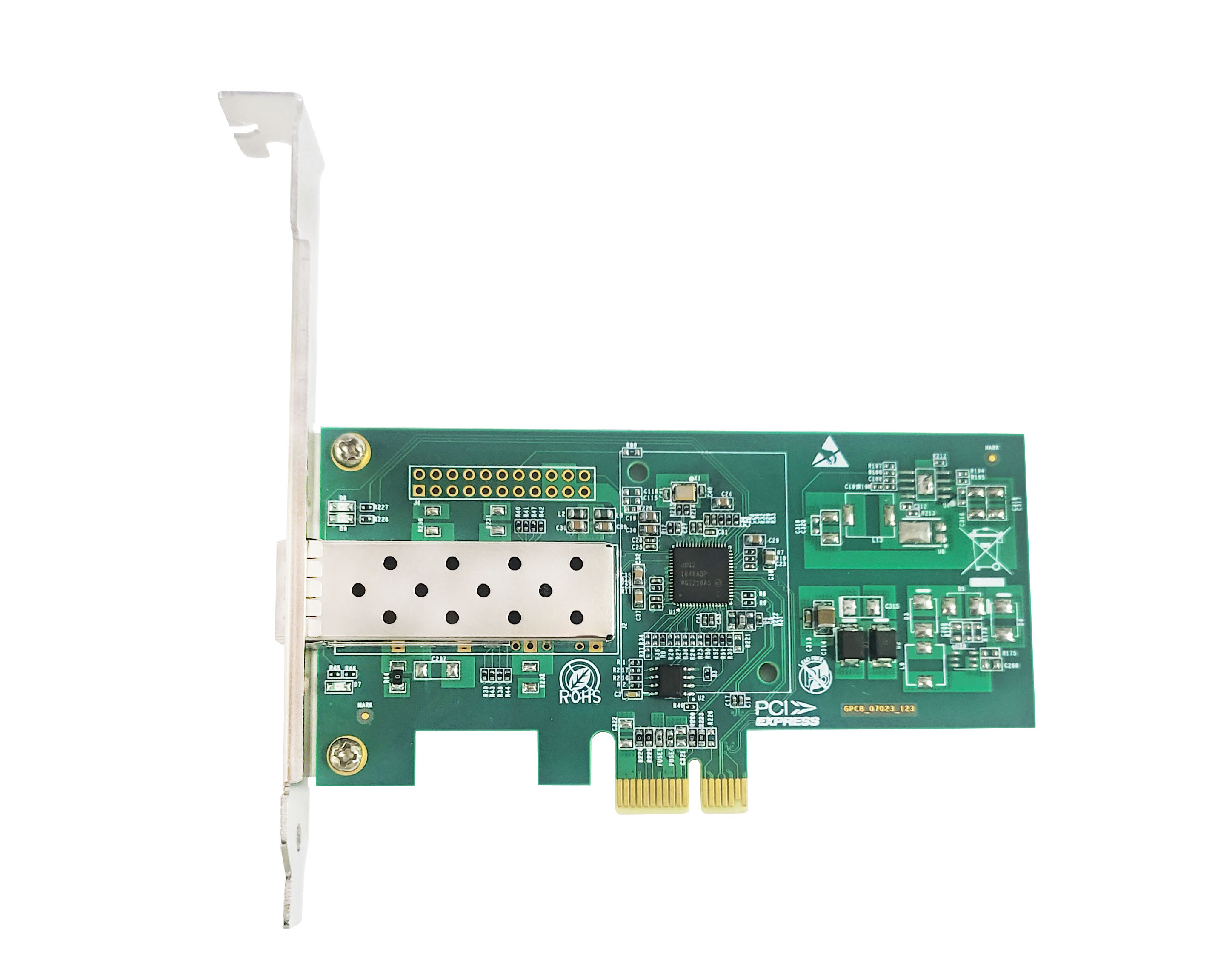
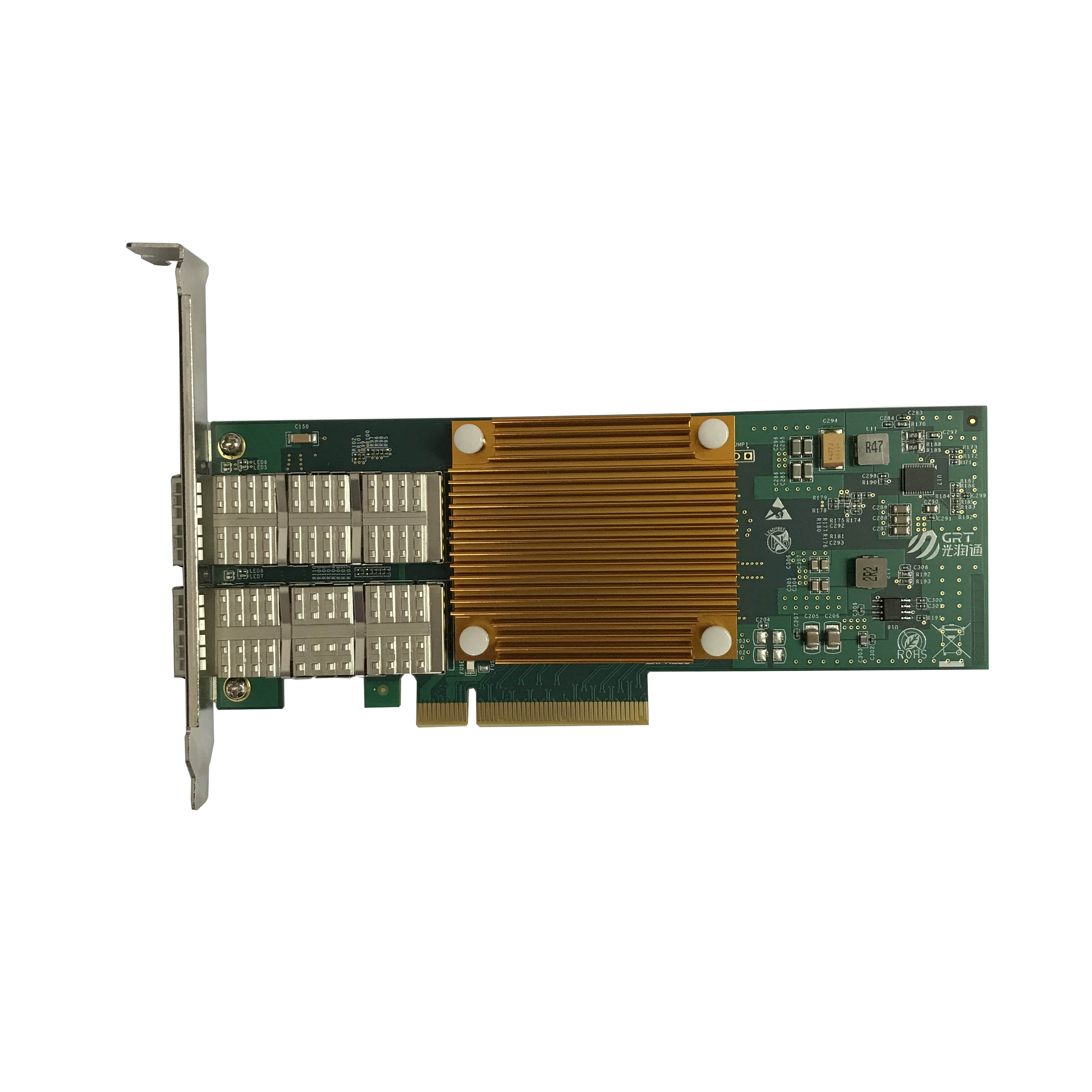
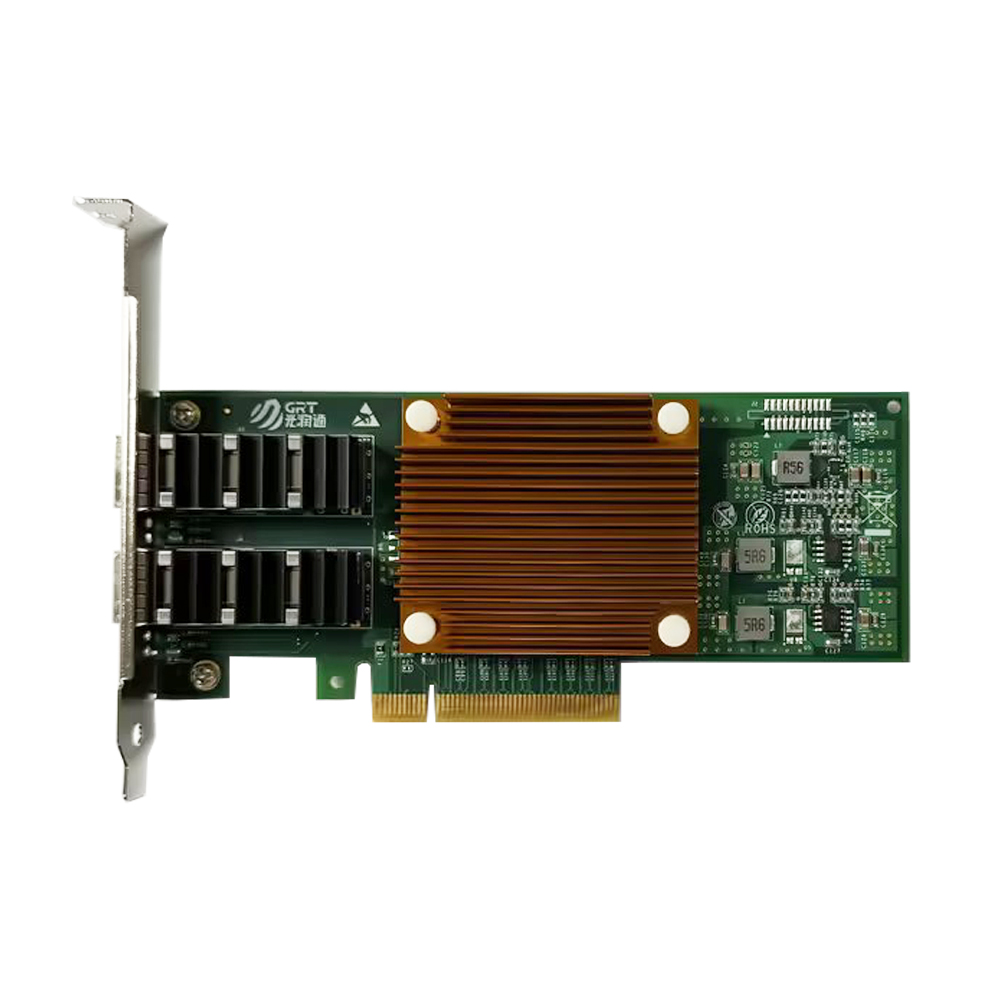
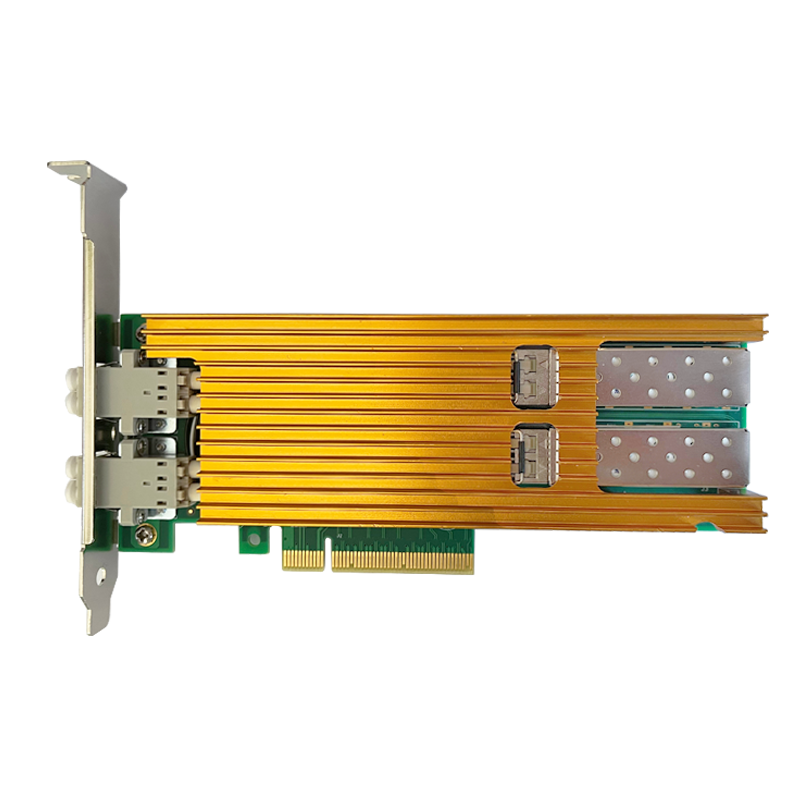
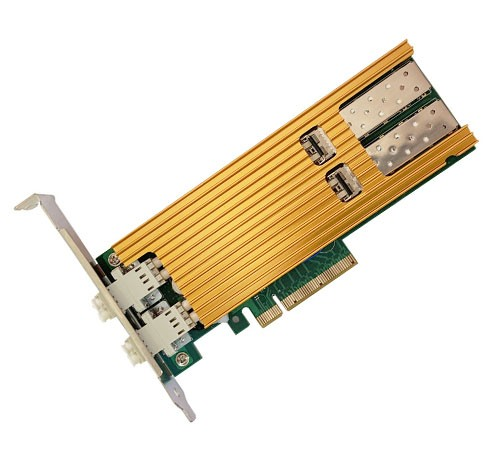
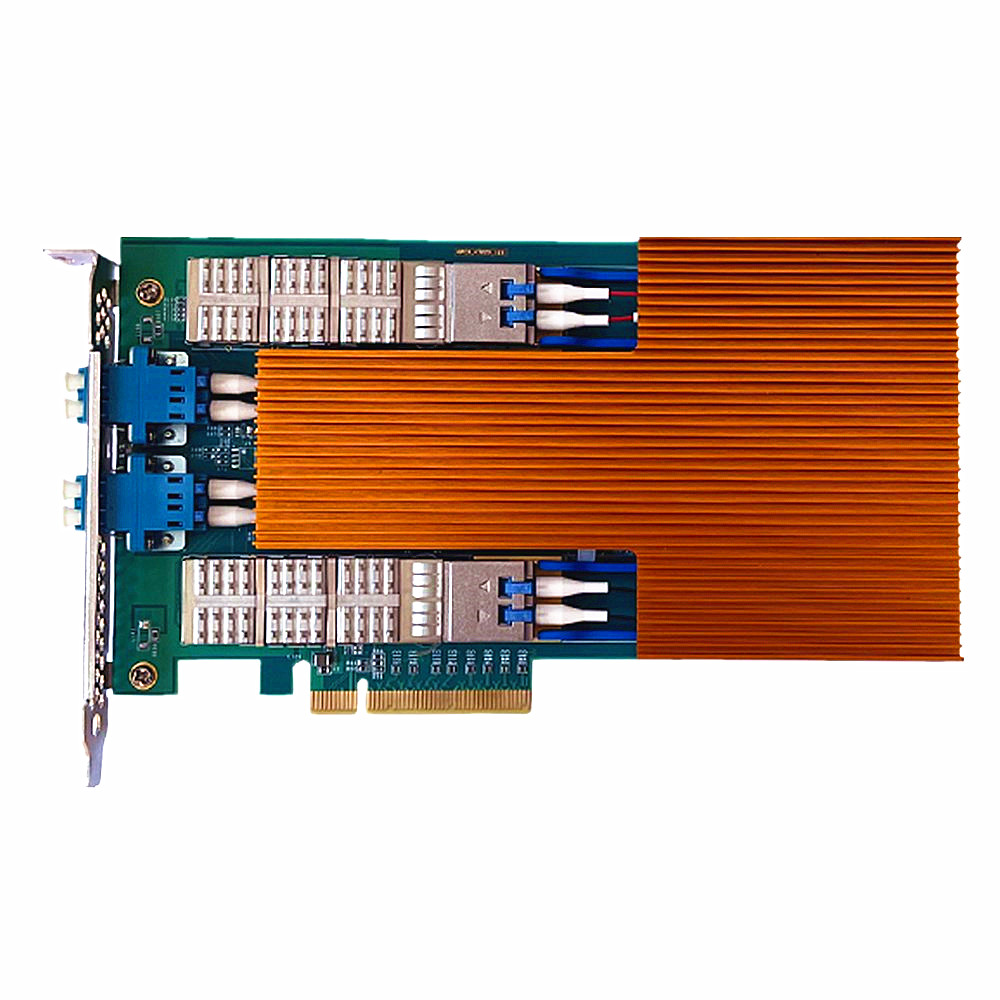
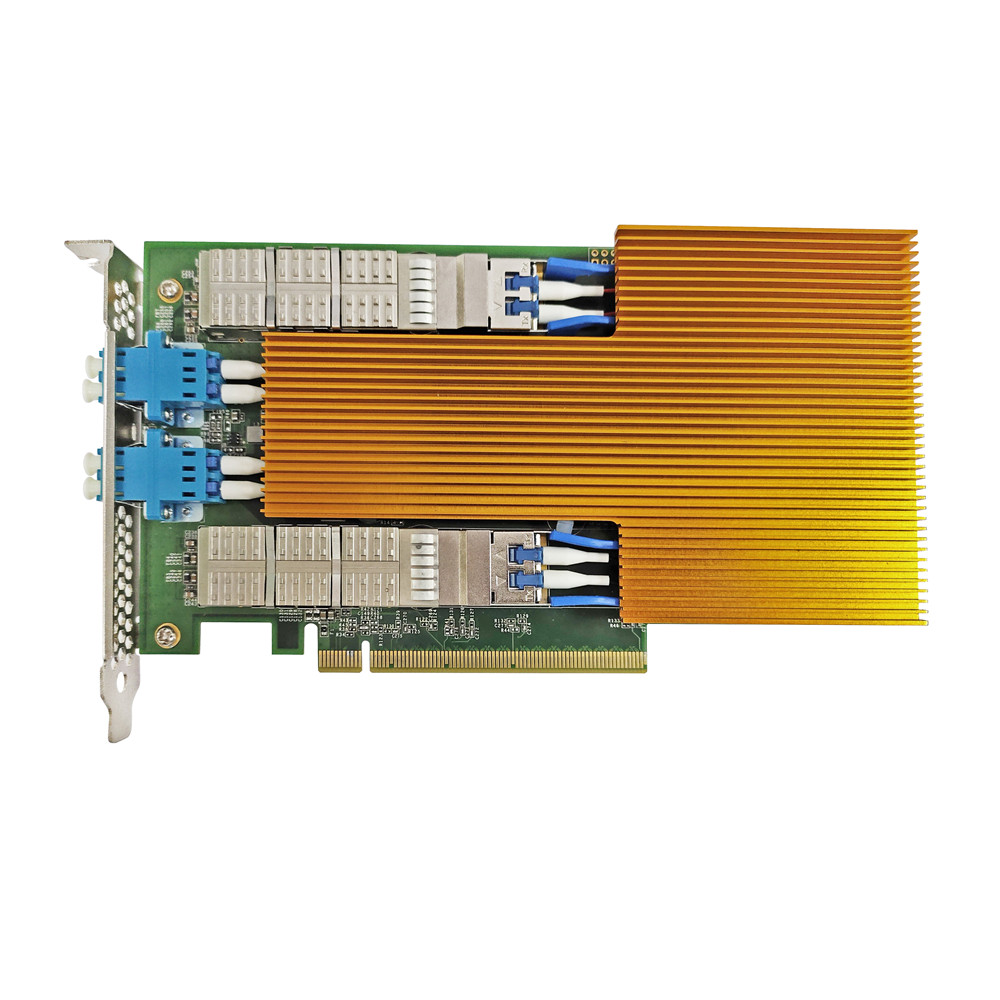
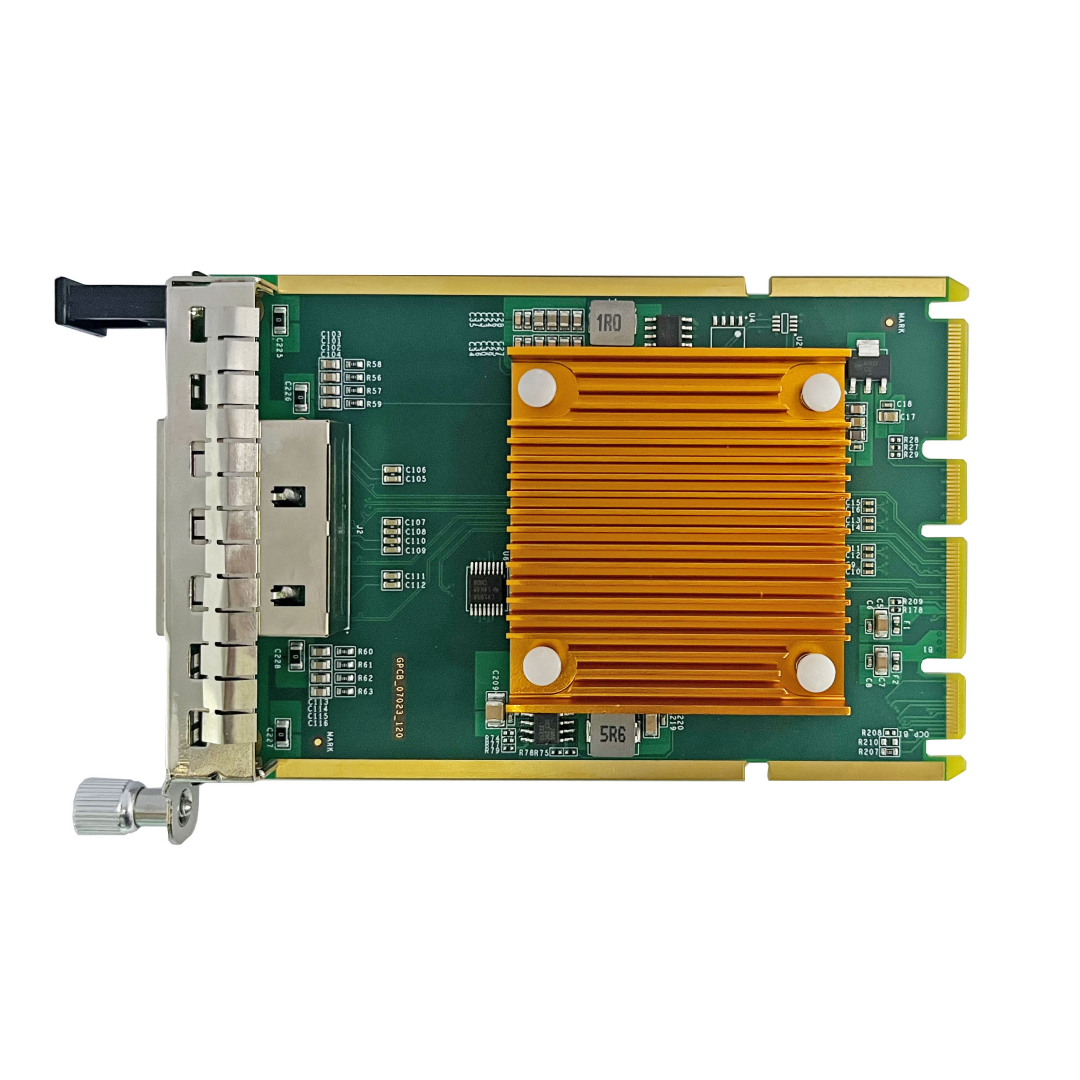
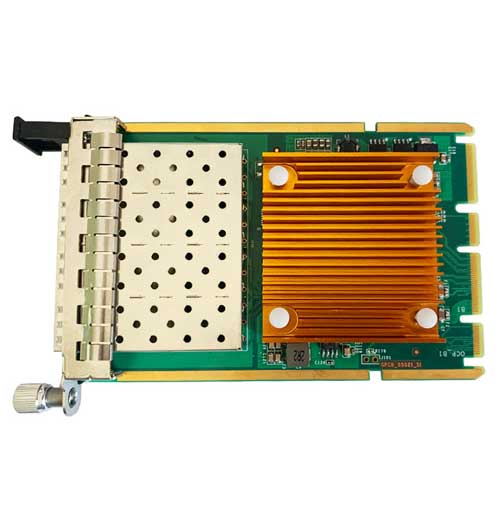
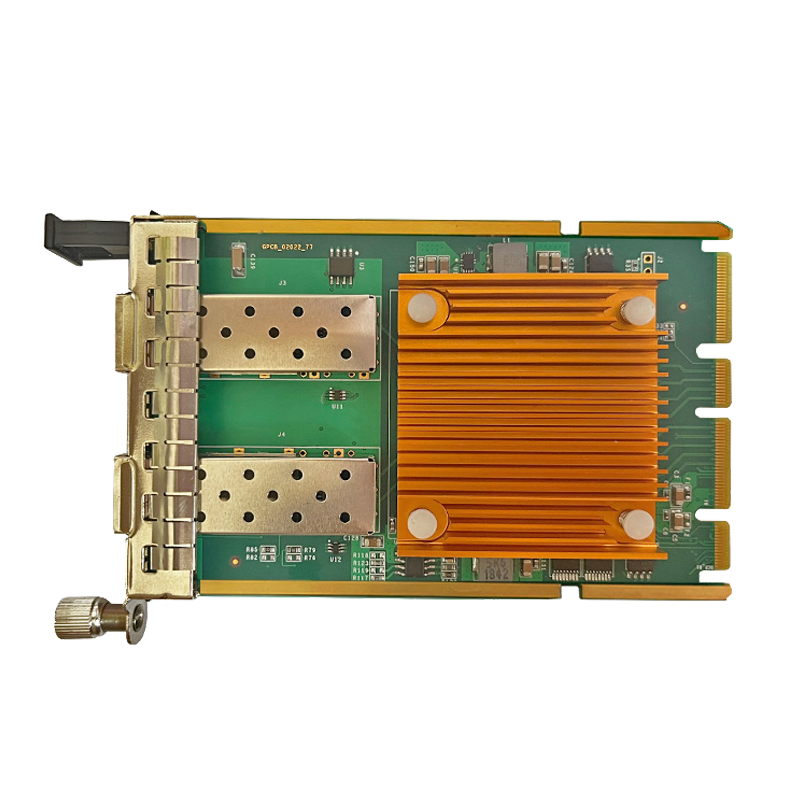
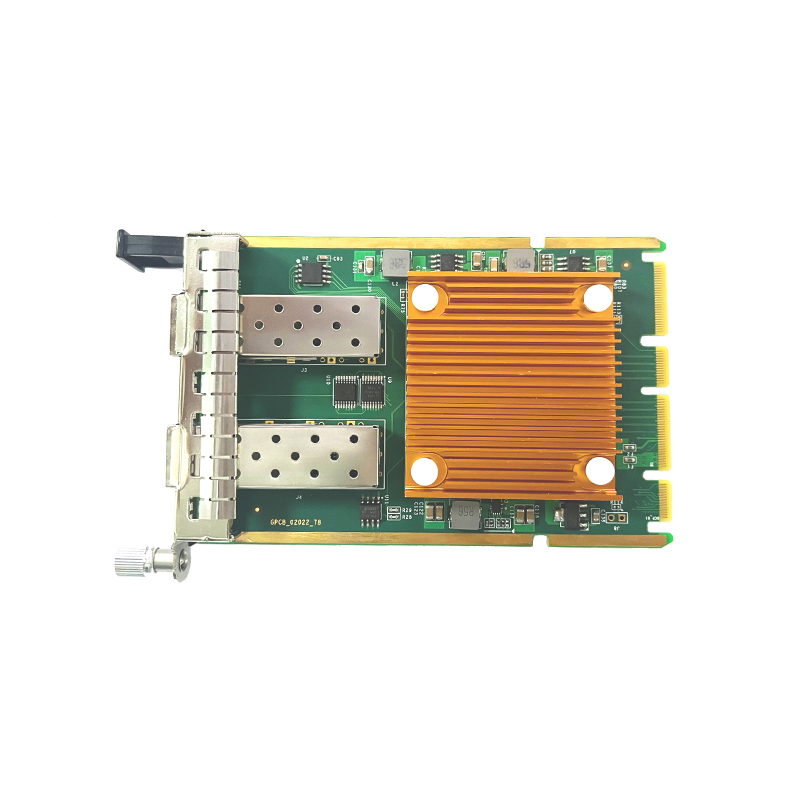
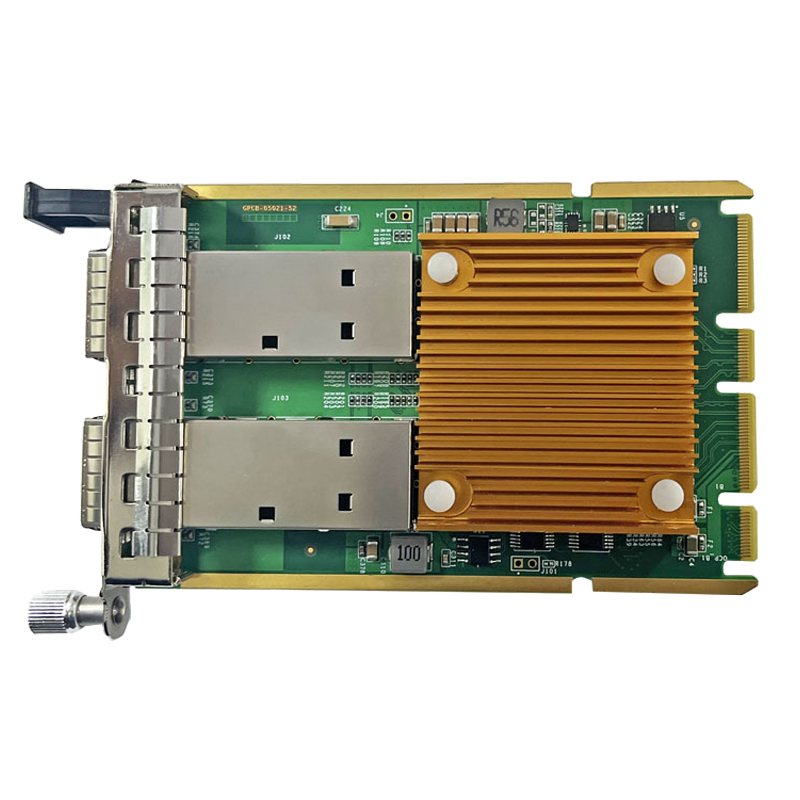
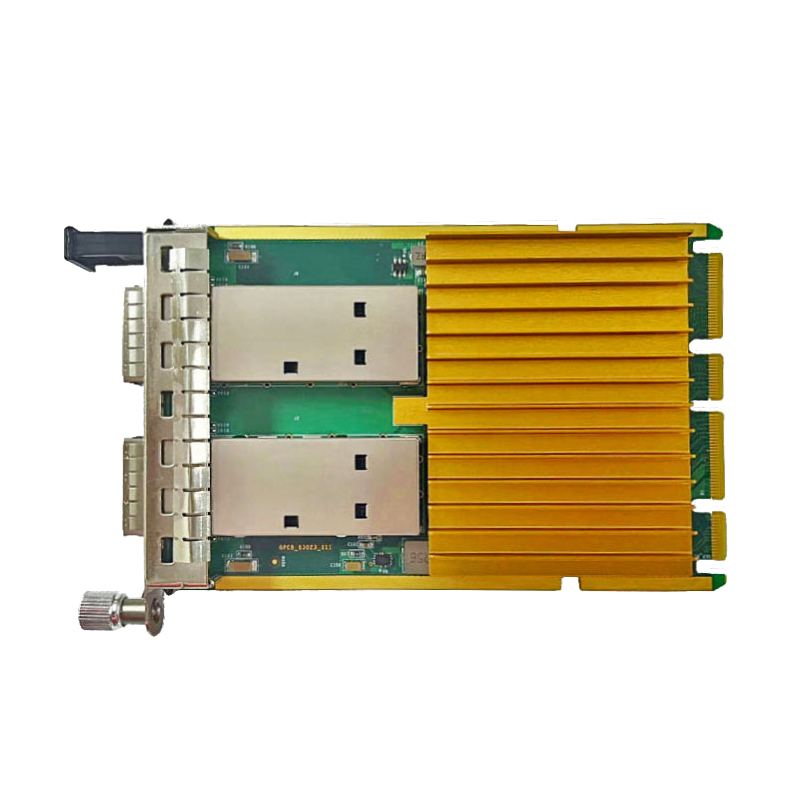
Guangruntong (GRT), a professional manufacturer in China's fiber-optic NIC industry, closely follows developments in high-precision time synchronization. The company focuses on providing stable and reliable fiber-optic NIC products and optimizing compatibility with mainstream time synchronization solutions, helping customers build accurately coordinated network environments for financial, industrial, and communications applications. For applications requiring sub-microsecond synchronization, GRT's technical team can provide hardware selection recommendations and system integration support based on customer requirements.
Considerations for PTP Deployment
When deploying a PTP network, all devices along the network path should support PTP. If the path includes switches that do not support PTP, synchronization accuracy may deteriorate significantly. For high-precision networks, switches supporting boundary clock or transparent clock functionality are recommended. The timestamping capabilities of server NICs should also be evaluated.
PTP has multiple versions, with IEEE 1588 v2 being the current mainstream standard. Support levels and implementation methods vary among manufacturers. Device compatibility should be confirmed during selection, and practical testing may be required.
PTP is an important technology for achieving high-precision time synchronization in distributed systems. From financial trading and 5G communications to industrial automation and smart grids, it is playing an increasingly important role in critical applications. Its successful deployment depends on coordinated optimization of network devices and software. As the Internet of Things and real-time applications continue to expand, high-precision time synchronization is becoming a standard capability of network infrastructure.
Latest information
- Precision Time Protocol (PTP)
- How NIC Interrupt Moderation Reduces CPU Load but Introduces Latency and Jitter
- The High-Performance Network Revolution in the AI Era: RDMA
- NAS Storage Network Upgrade Guide
- Why Does Upgrading Your NAS to 2.5GbE Not Improve Network Speed?
- What Is an OCP 3.0 Network Card?
- The King of Cost-Effective 25G NIC: In-Depth Analysis of Guangruntong (GRT) GH2502EM-V4.1
- The Hidden Relationship Between NIC Heat Dissipation and Data Center Cabinet Layout