Sign in


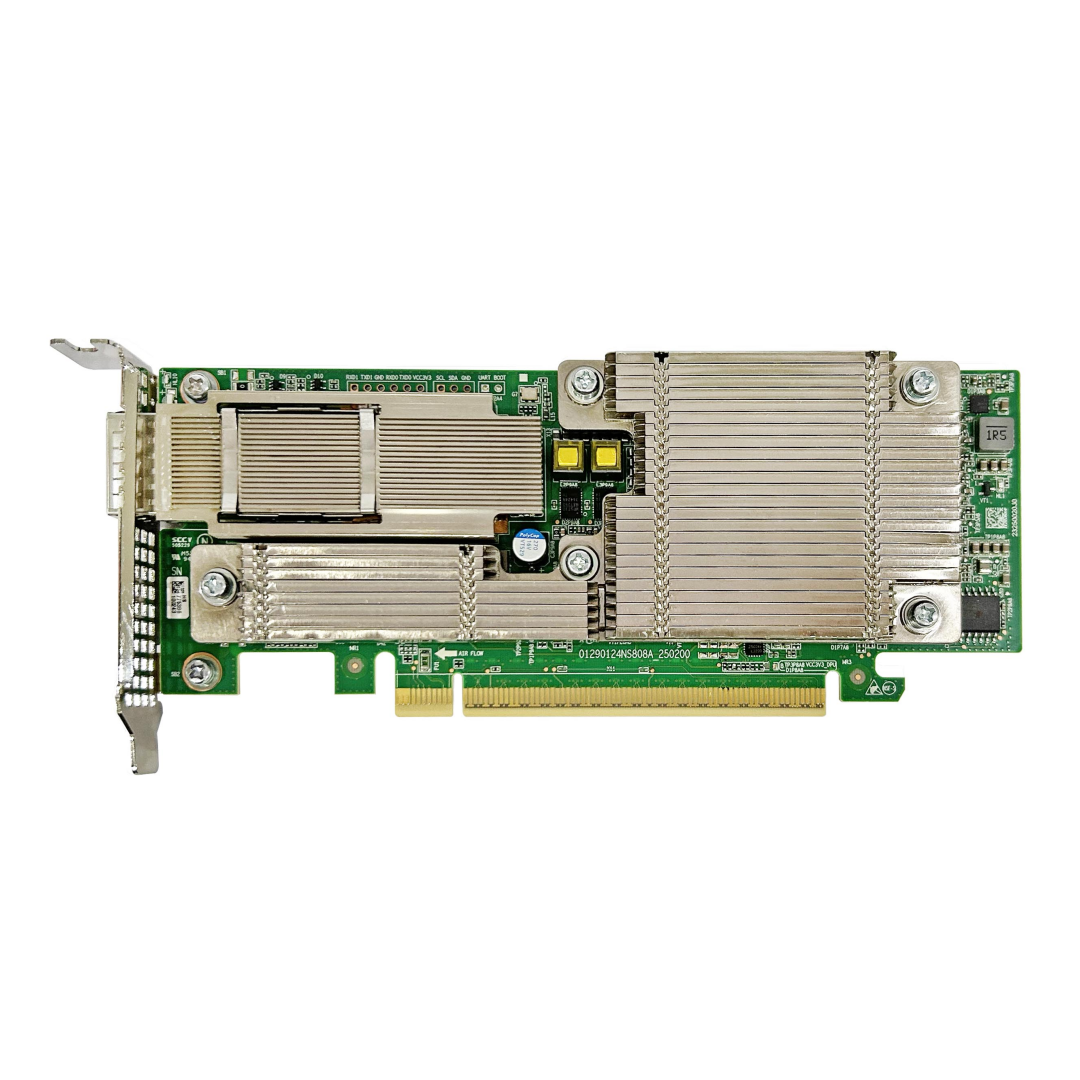
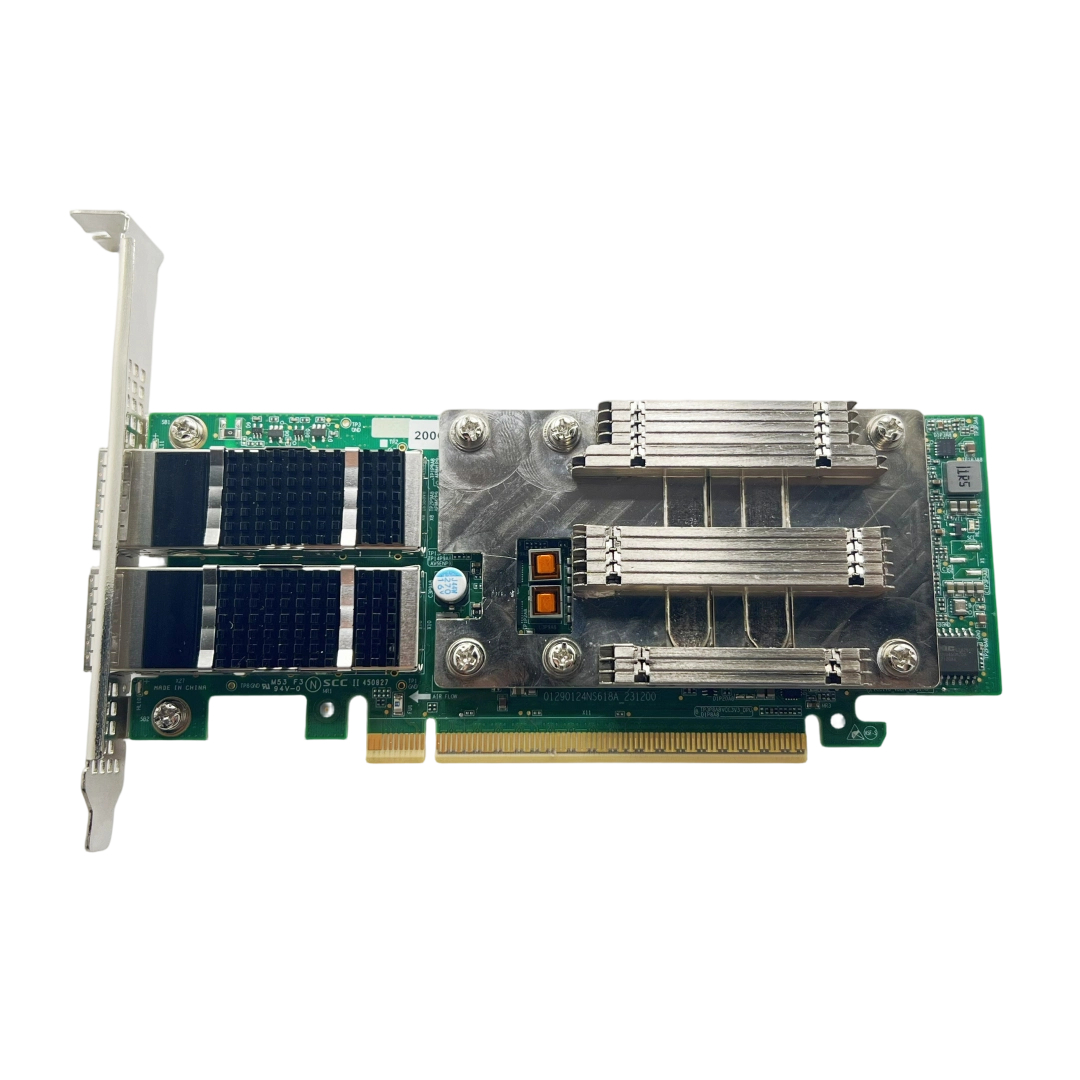
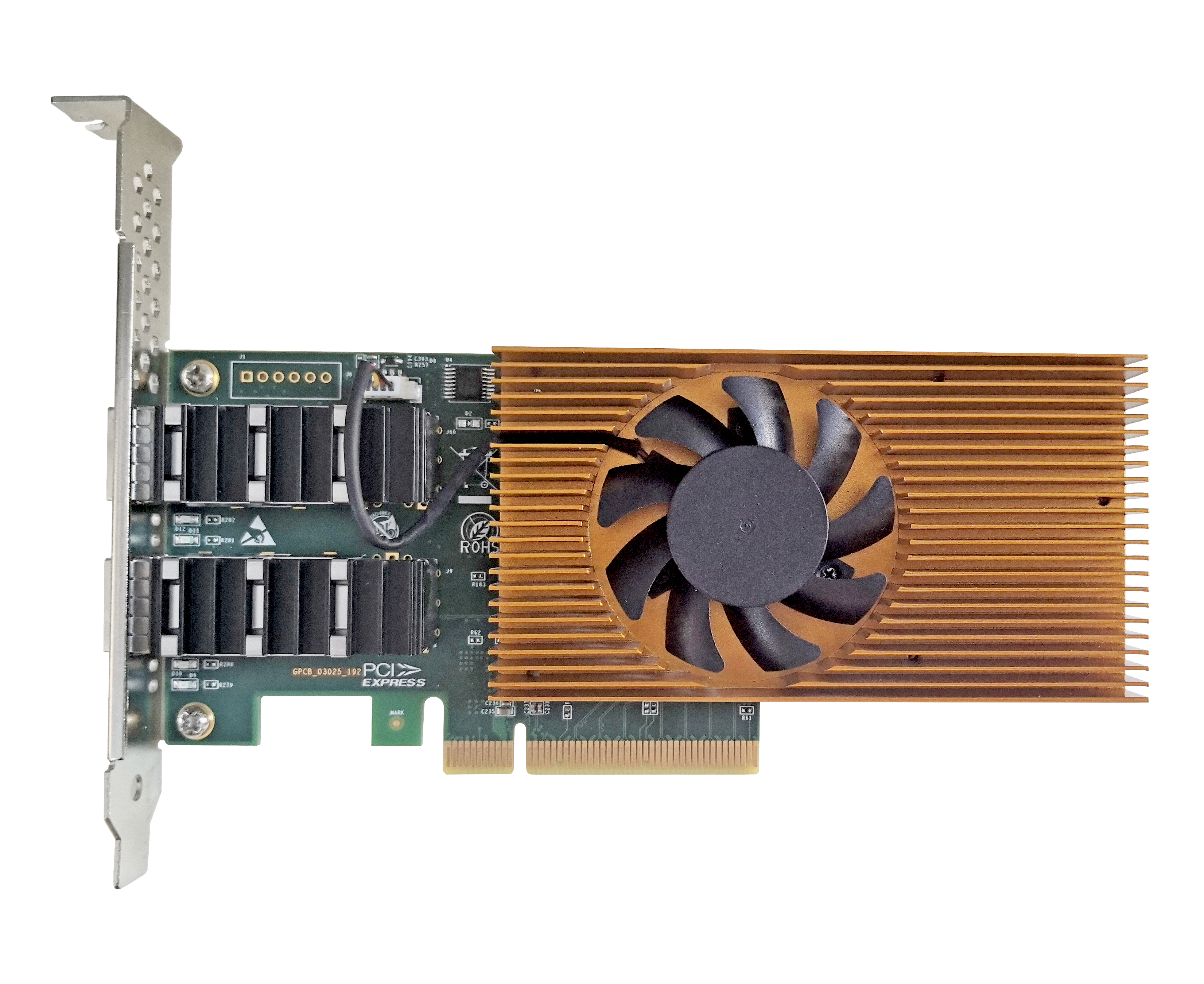
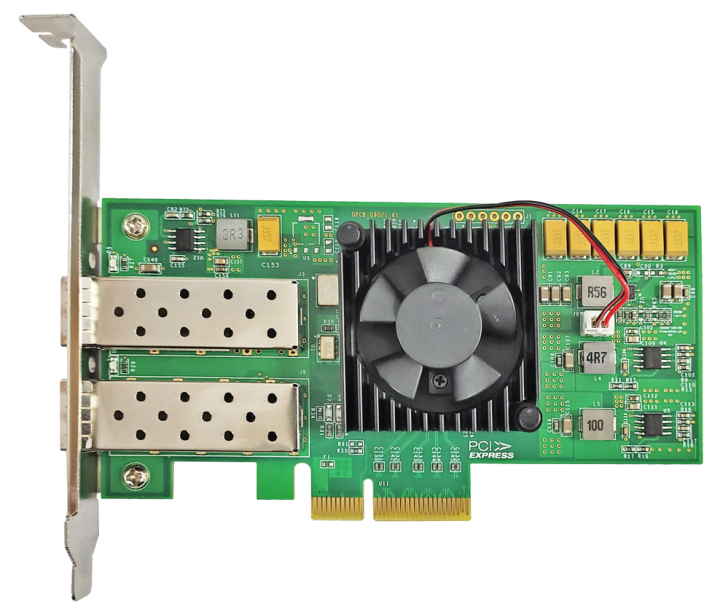

2.5G Network Cards:Breaking the Gigabit Bottleneck ---- GRT’s Domestic Solution Emerges as the Preferred Choice
< BackAs 4K video editing, multi-device NAS collaboration, and concurrent access to cloud-based enterprise documents become commonplace, traditional Gigabit network cards are increasingly inadequate. Transferring a 40GB project file can take up to 6 minutes, and network congestion occurs when 20 office devices connect simultaneously. These scenarios are driving the adoption of 2.5G network cards as a necessary upgrade. Positioned as an ideal transition between Gigabit and 10-Gigabit solutions, 2.5G network cards offer a balanced mix of performance and cost-effectiveness—reshaping network experiences for both individuals and businesses. Among these, GRT’s domestically developed 2.5G network cards stand out with their proprietary technology.
Why 2.5G is the Optimal Solution Today?
The rise of 2.5G networking is no accident. It directly addresses key pain points in current network infrastructure. Compared to Gigabit cards, 2.5G models boost transmission speeds from 100 MB/s to 250 MB/s—cutting the transfer time for a 40GB file to just 2.5 minutes, effectively doubling efficiency. Crucially, This type of the technology is fully compatible with existing Cat5e cabling commonly found in homes and offices. This eliminates the need for extensive rewiring required by 10-Gigabit solutions, reducing upgrade costs to just one-third of those for 10G setups.
Technically, 2.5G network cards support multi-rate auto-negotiation (2.5G/1000M/100M/10M), ensuring seamless integration with both legacy and modern equipment. Whether connecting to a 2.5G modem, a Gigabit switch, or a 100M printer, these cards automatically optimize speed. This flexibility supports a wide range of applications—from home entertainment and enterprise collaboration to security surveillance, where multiple 4K camera streams can be transmitted in real time.
It’s worth noting that performance bottlenecks often lie not in speed, but in chip and interface design. While mainstream chips like Intel I225-V and Realtek RTL8125B offer distinct advantages—the former in stability and heat dissipation, the latter in cost efficiency—both carry supply chain risks associated with imported components. This gap creates an opportunity for homegrown alternatives.
GRT 2.5G Network Cards: A Benchmark in Domestic Performance
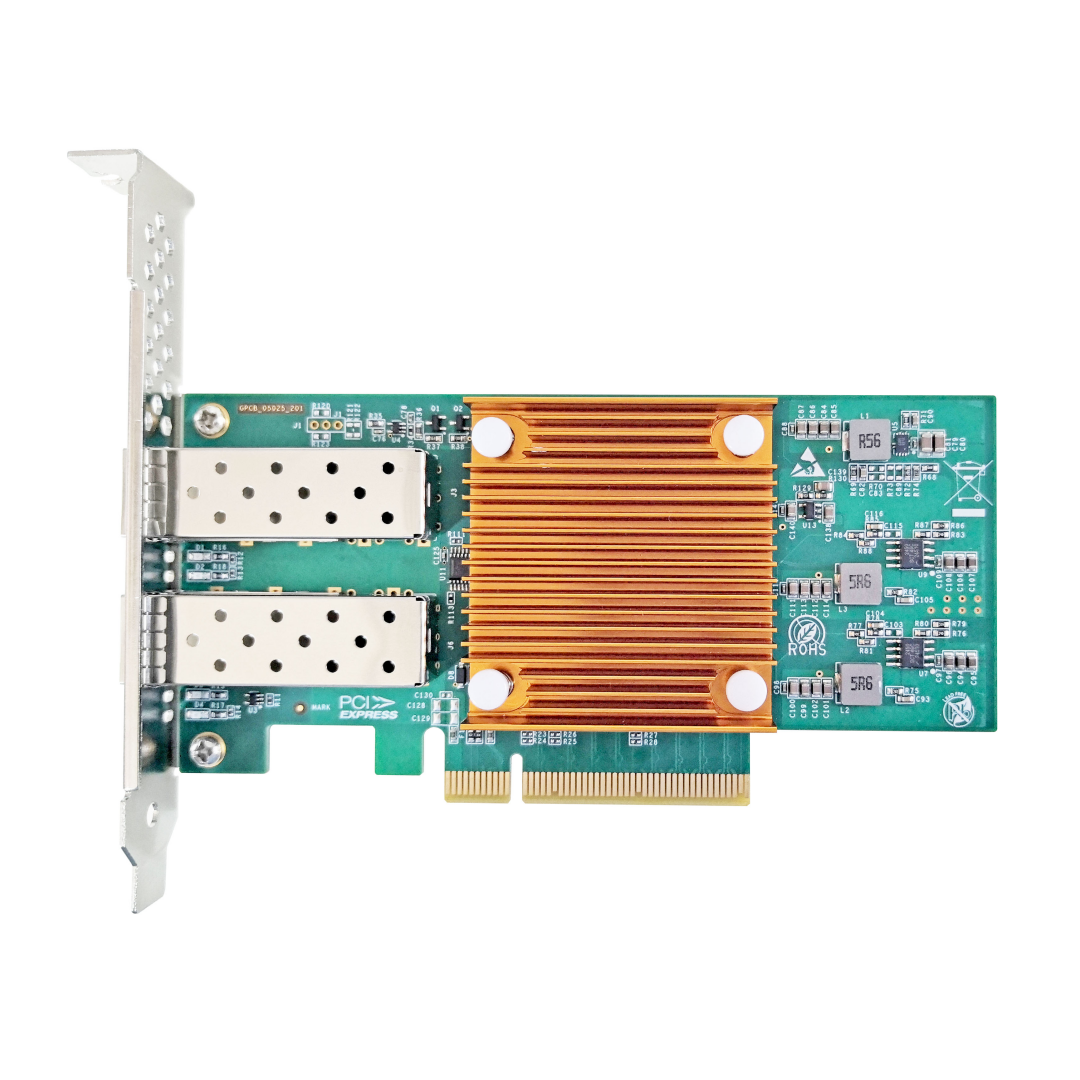
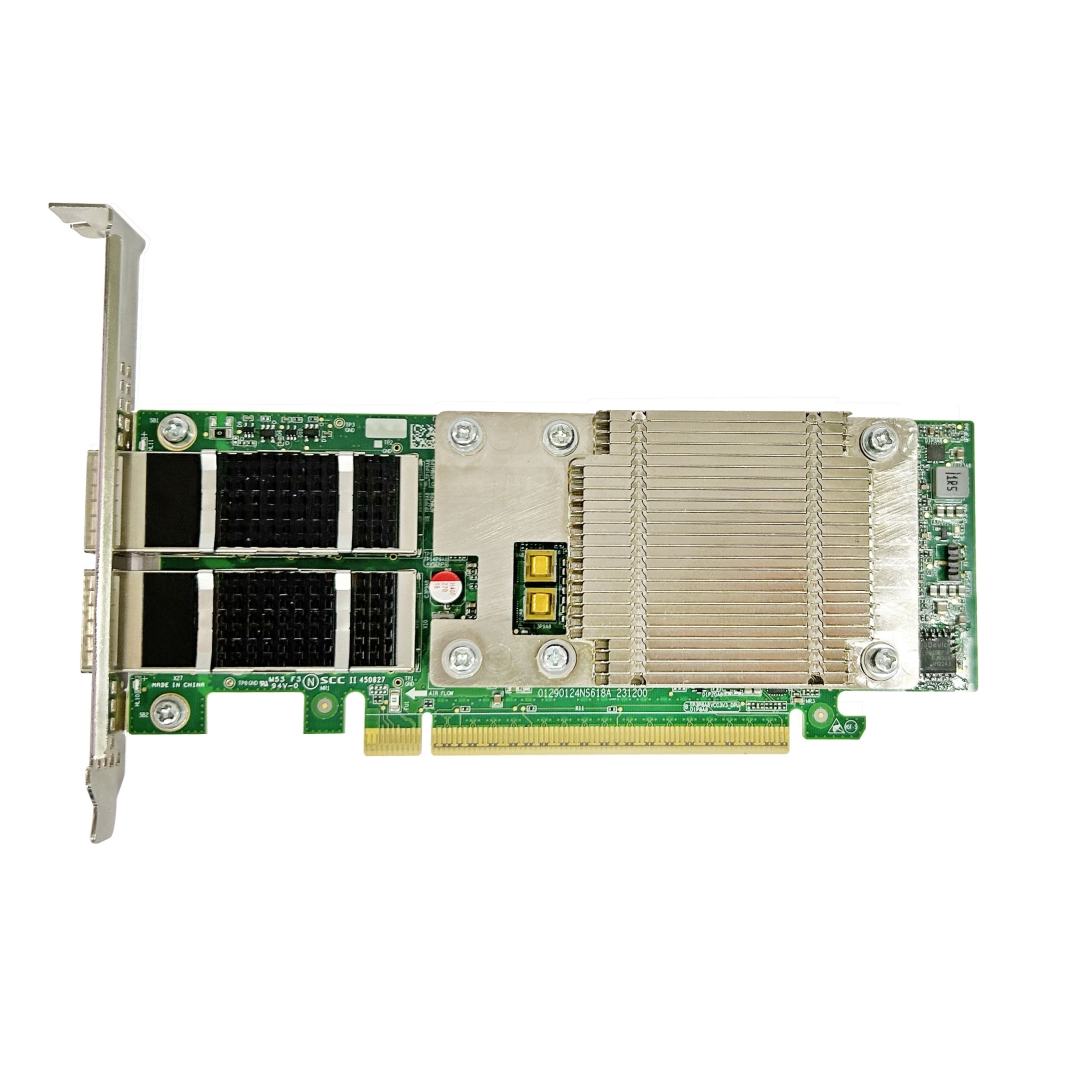
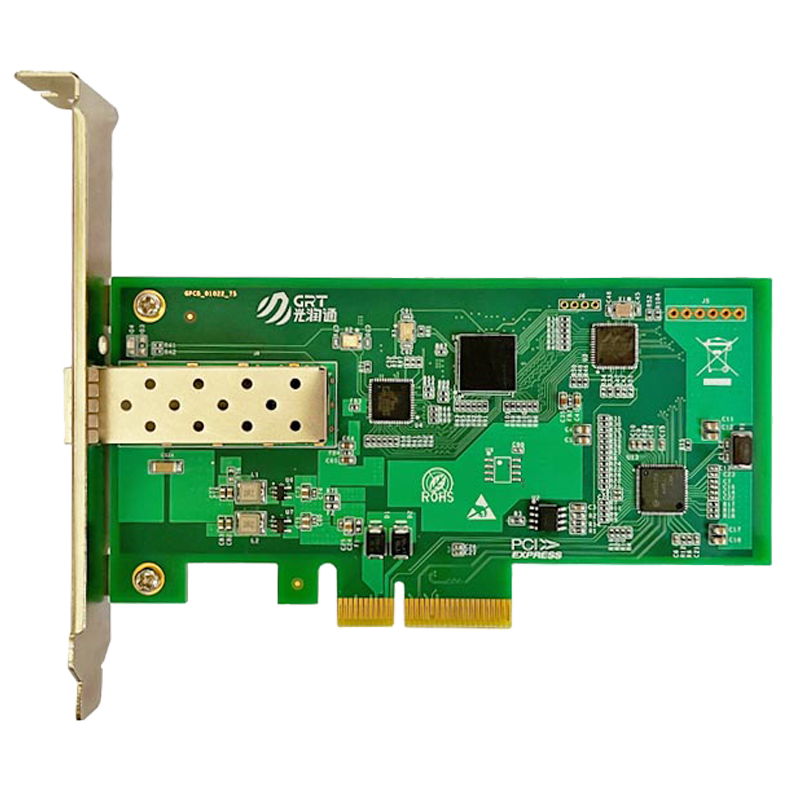
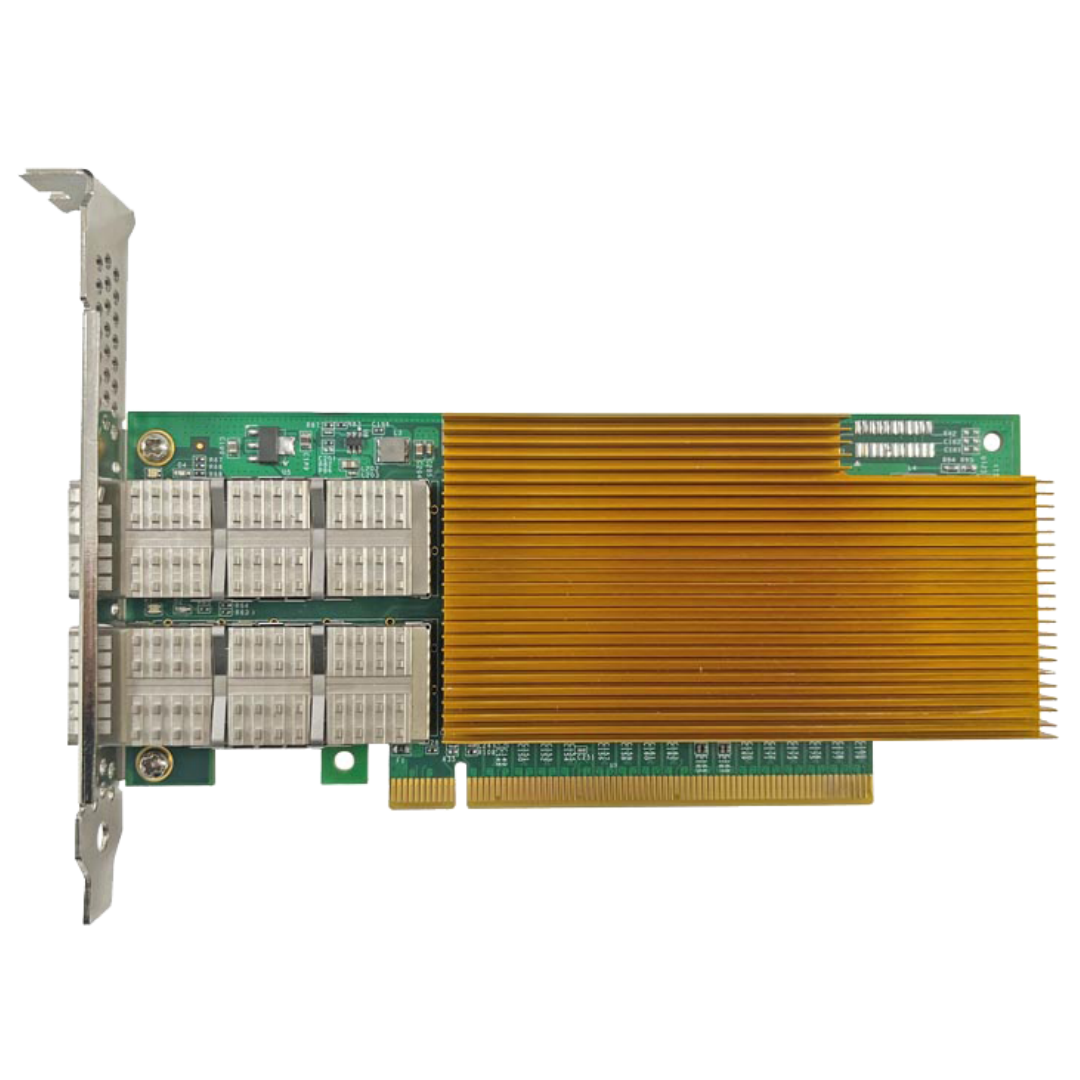
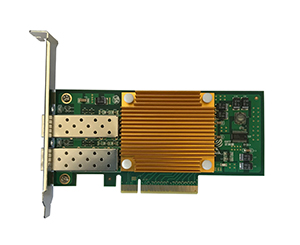
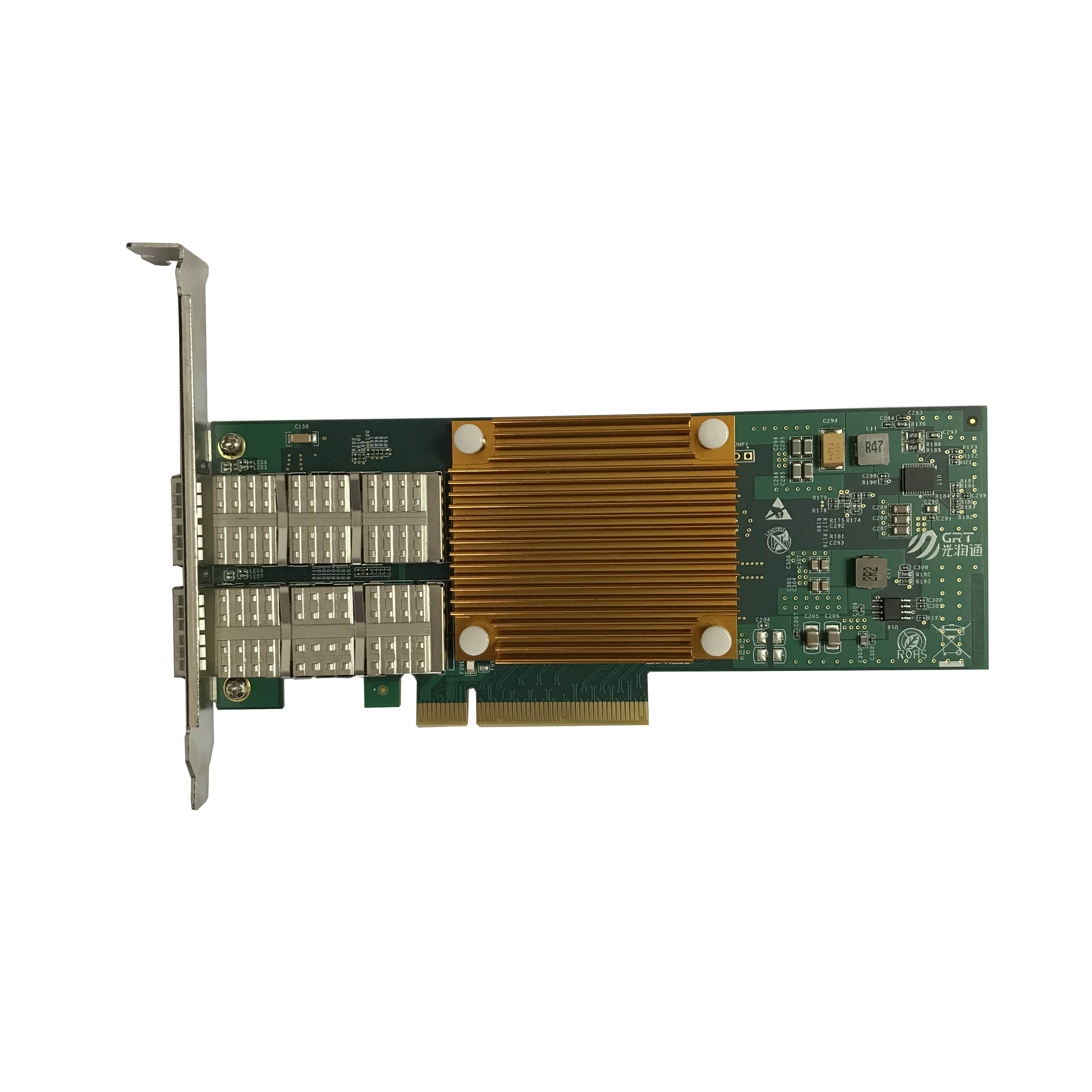
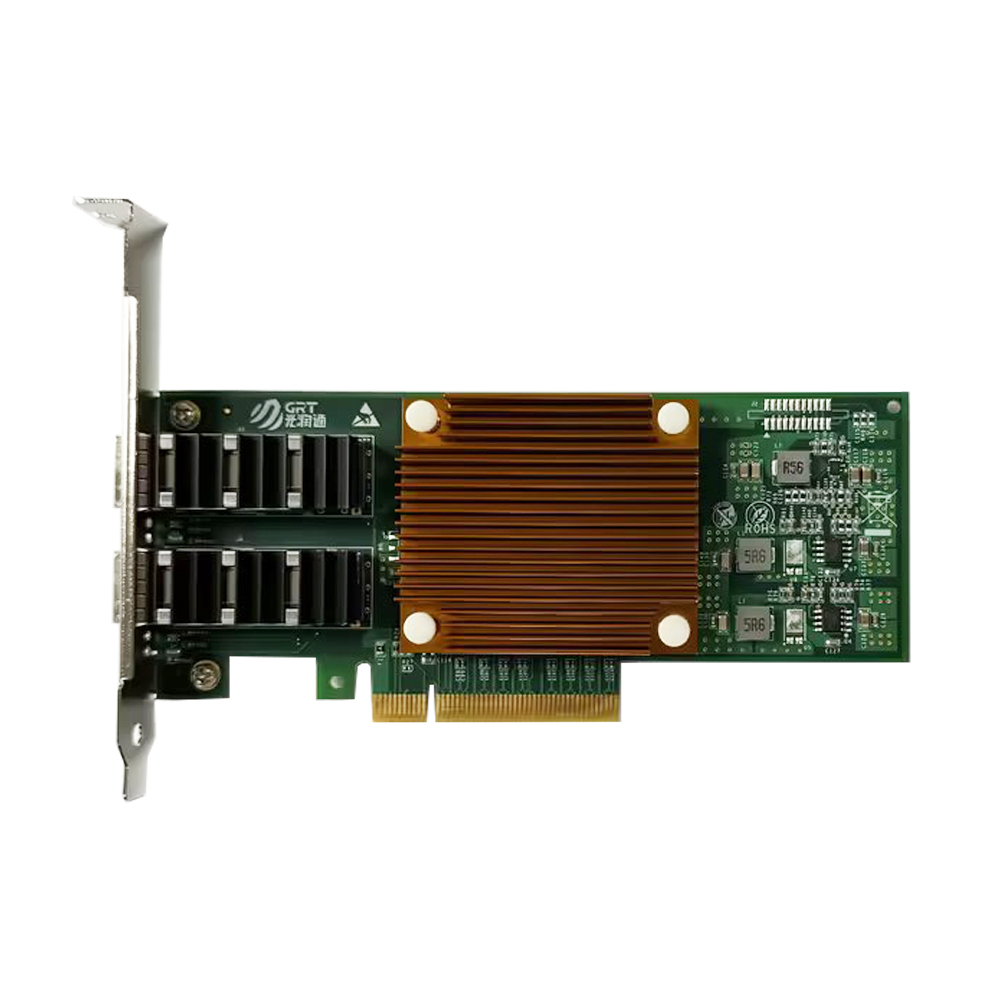
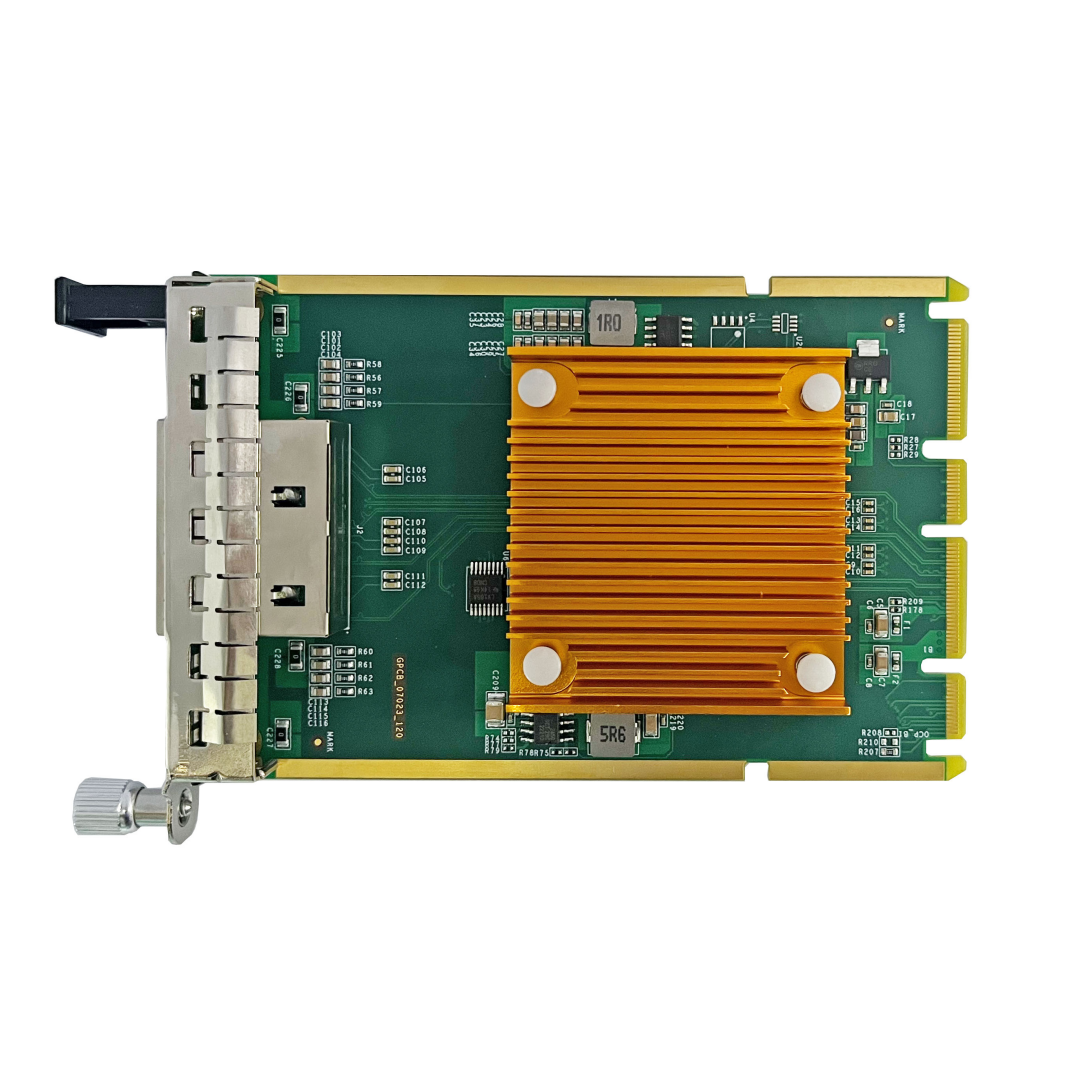
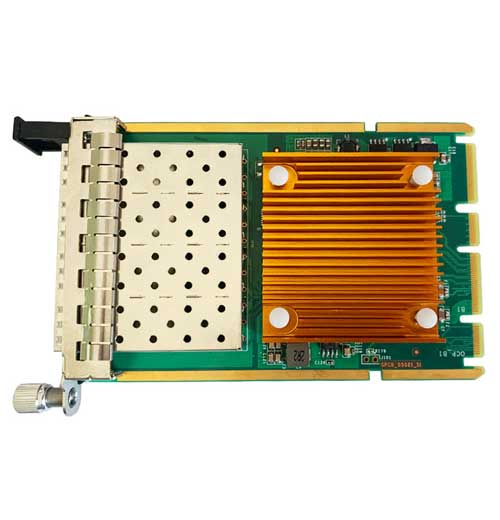
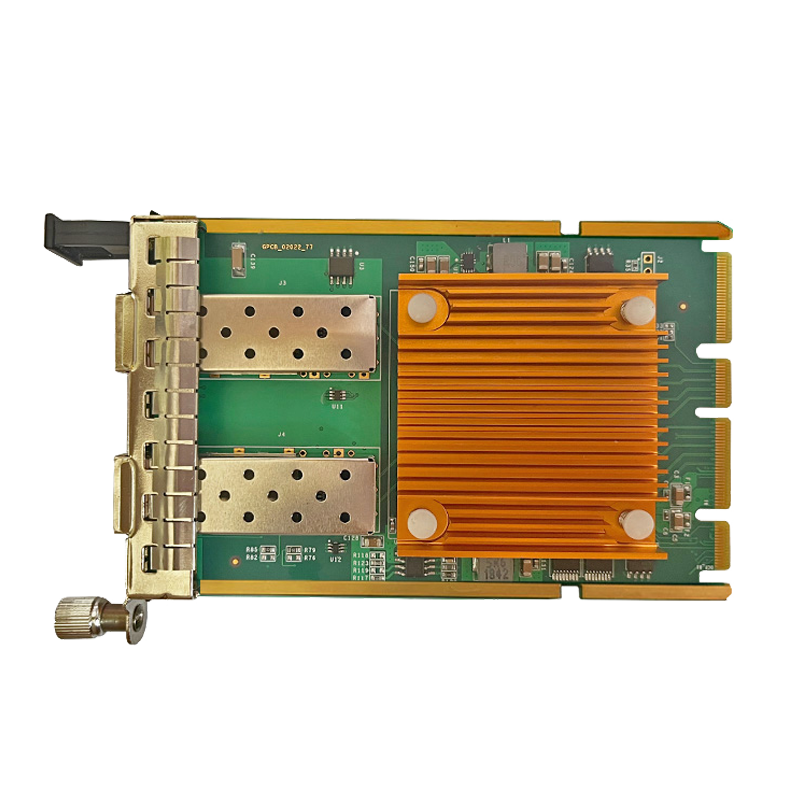
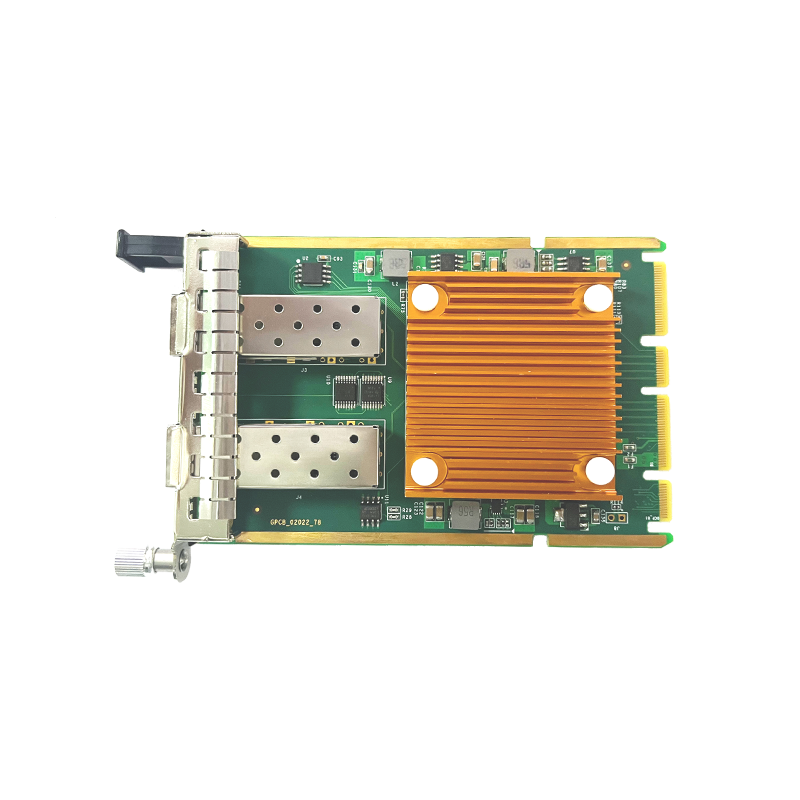
As a leading domestic enterprise in the high-end network card market, GRT leverages over a decade of R&D experience to offer a comprehensive series of 2.5G network cards, covering both copper and optical fiber interfaces. These products have become a preferred solution for replacing imported alternatives, distinguished by their core advantages of a “domestically developed core, strong compatibility, and comprehensive scenario coverage.” The two core series within the product family are precisely tailored to meet the diverse needs of different users.
Electrical Port Series: Cost-Effective Solutions for SMEs
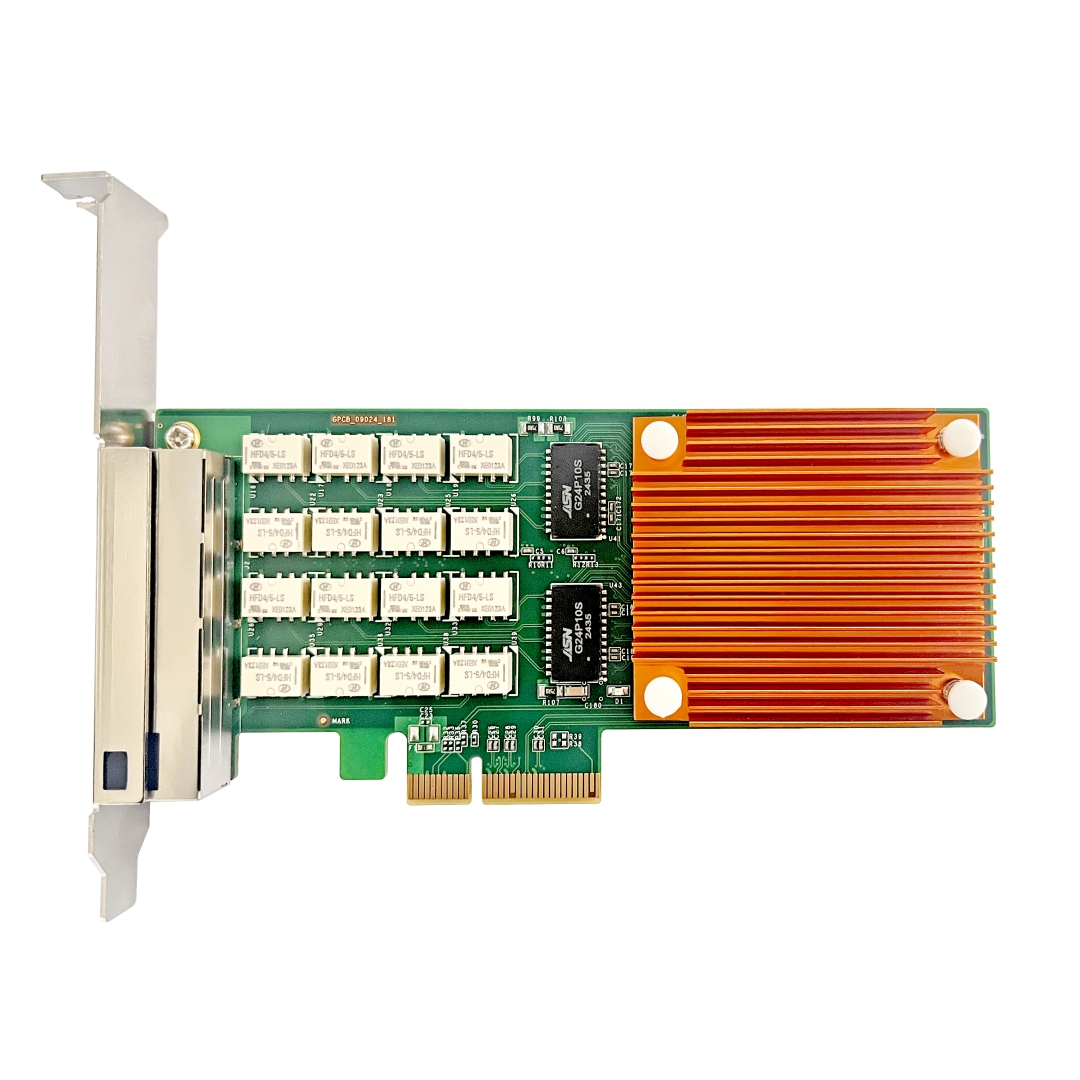
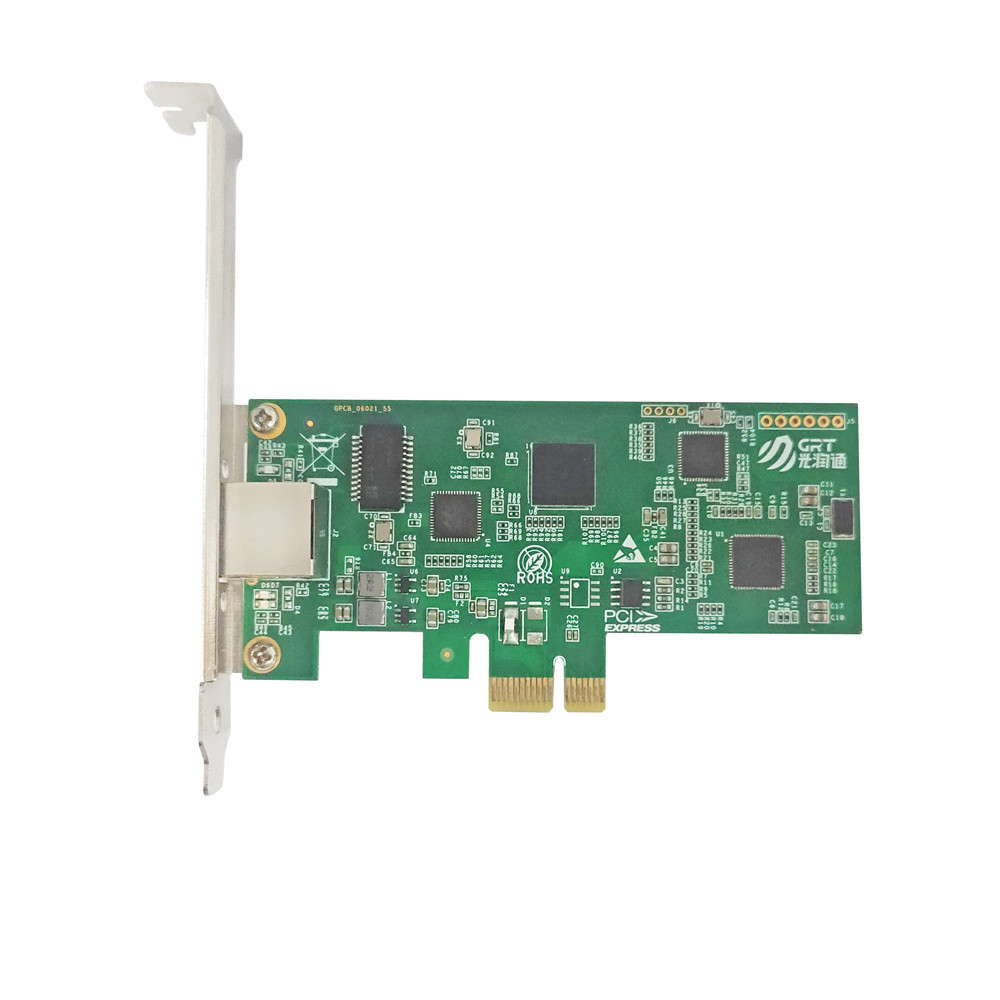
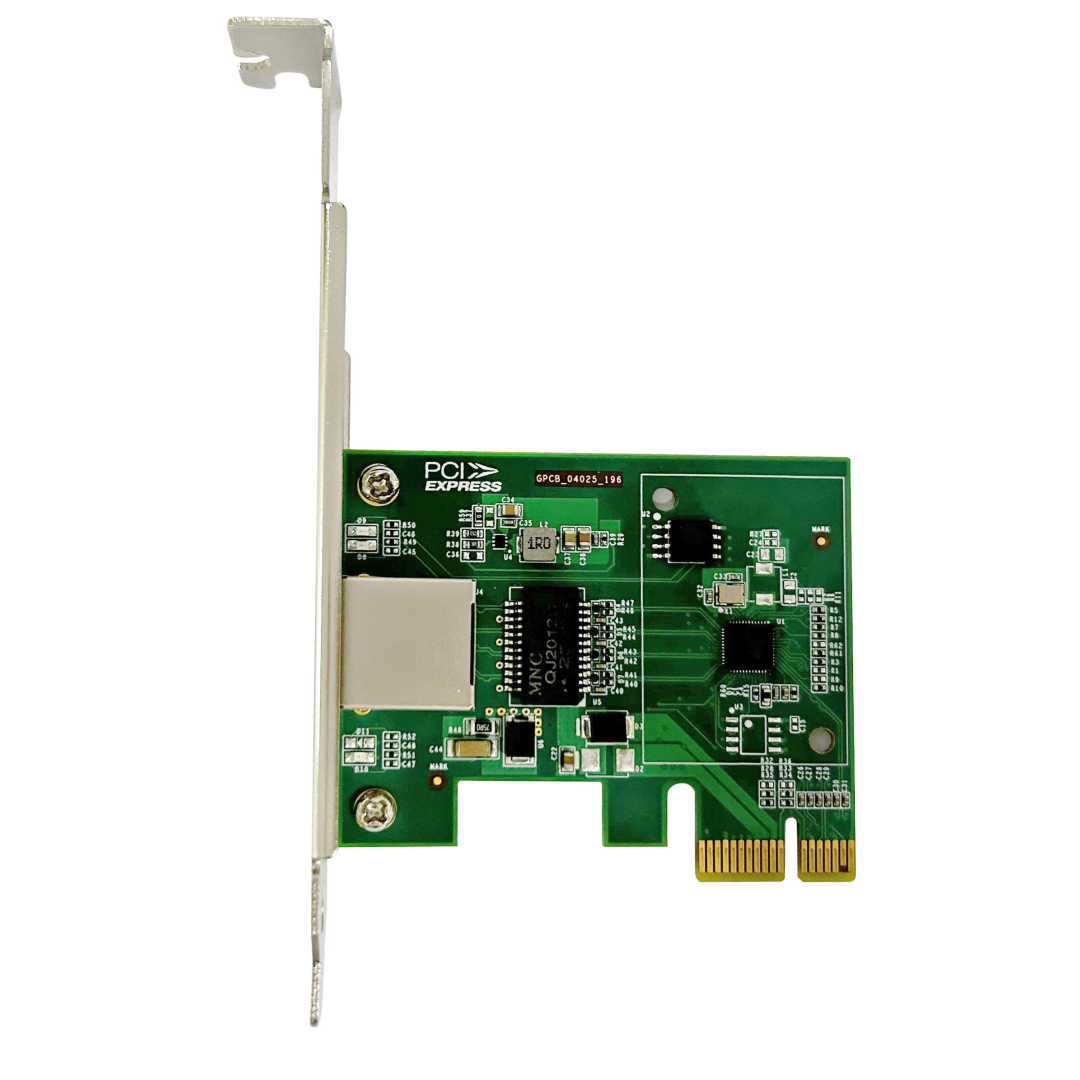
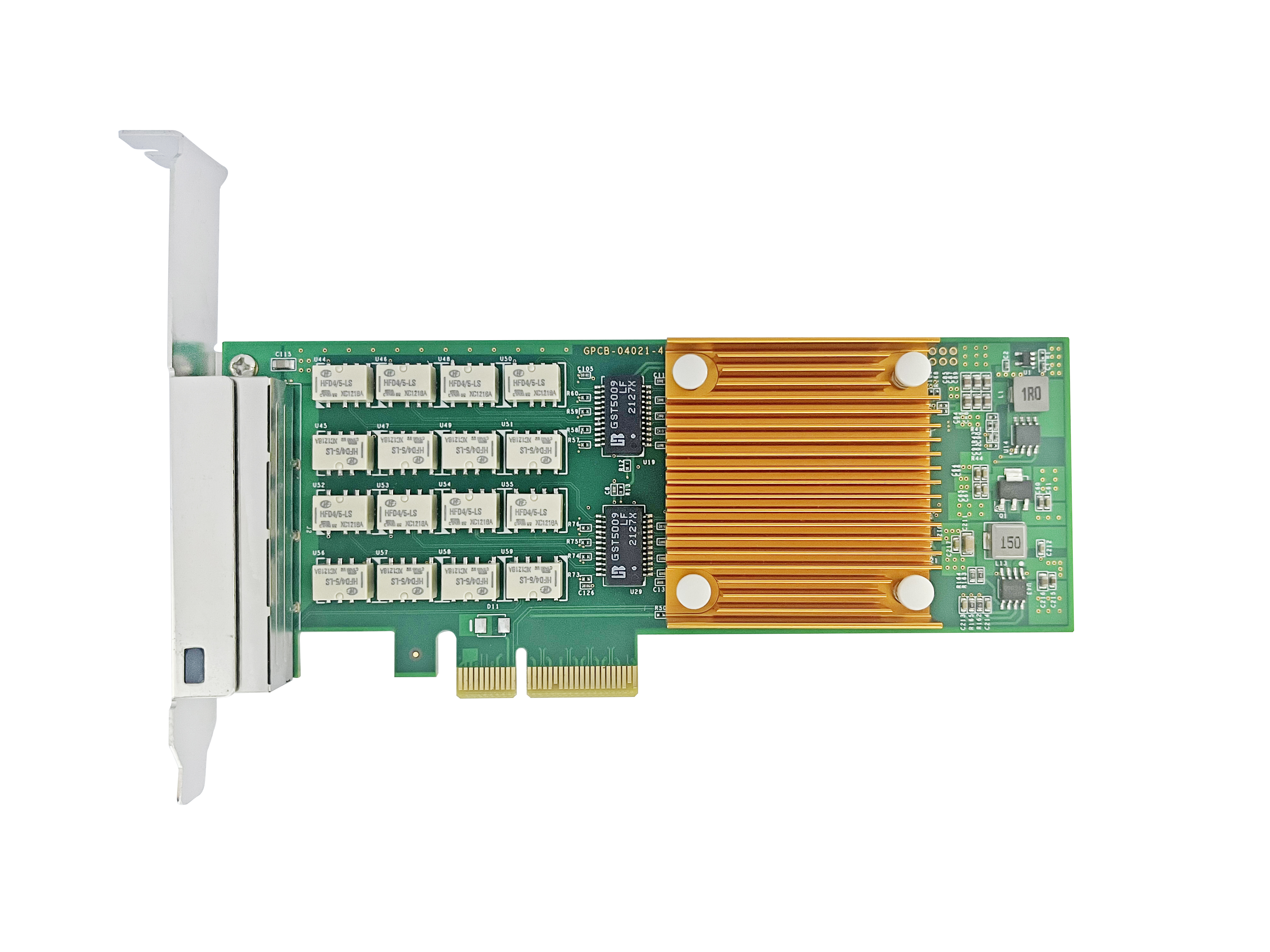
Designed for small-to-medium enterprises and desktop upgrades, the FF-901T2.5G-V3.0 (single port) and FF-902T2.5G-V3.0 (dual port) feature GRT’s self-developed G225T chip, ensuring full supply chain control from chip to final product. This independence mitigates risks related to foreign technology restrictions while delivering competitive performance—achieving line-rate forwarding for packets of 512 bytes and above, with superior small-packet performance compared to imported counterparts.
These PCIe x4-compatible cards work with mainstream x86 and ARM motherboards, supporting everything from office PCs and industrial controls to servers. Using standard RJ45 interfaces, they integrate seamlessly with existing Cat 5e cables, enabling true plug-and-play upgrades. In one SME deployment, response latency for 20 devices accessing a cloud ERP system dropped from 80ms to 15ms, with file transfer efficiency improving by 220%.
Optical Port Series: Reliable Performance for Critical Applications
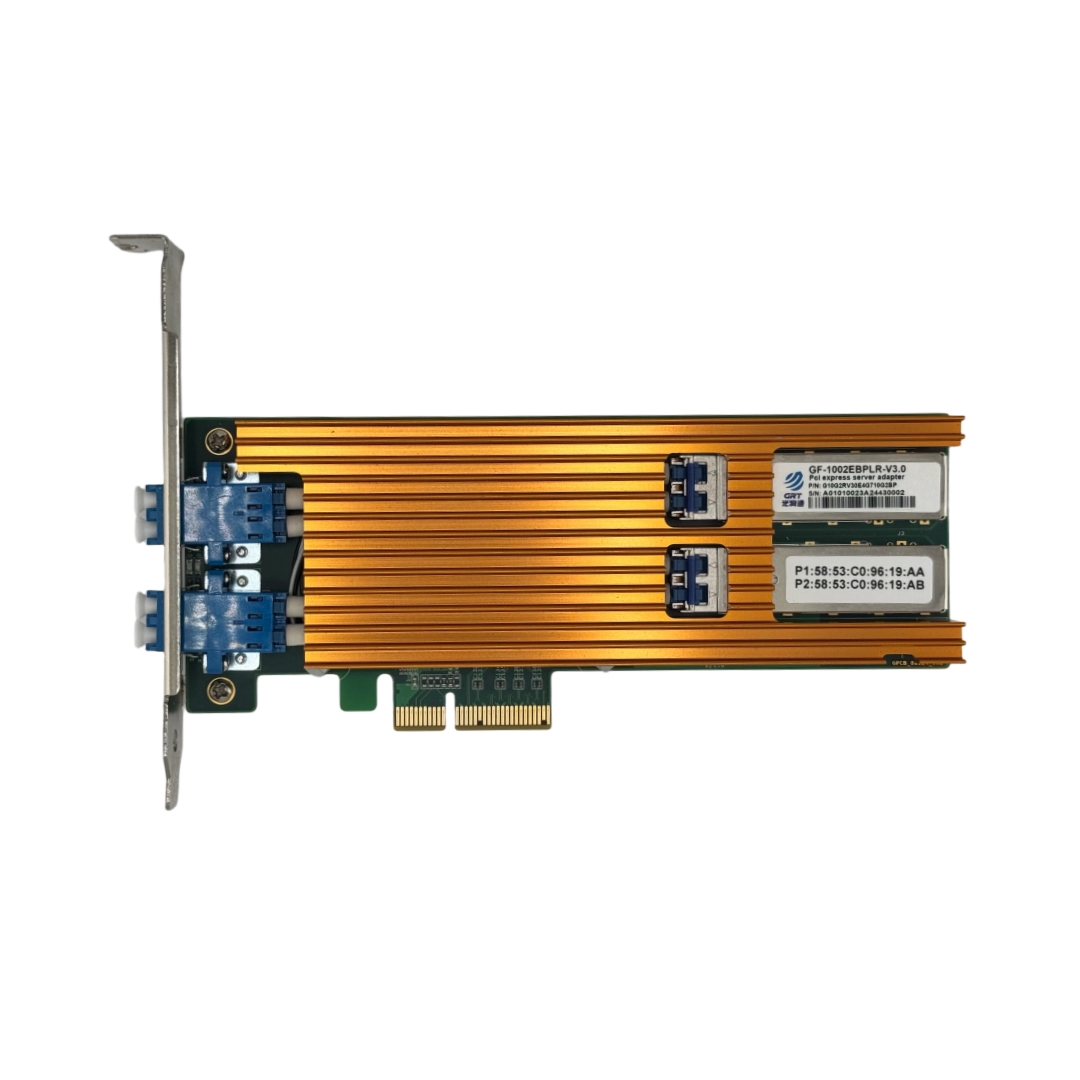
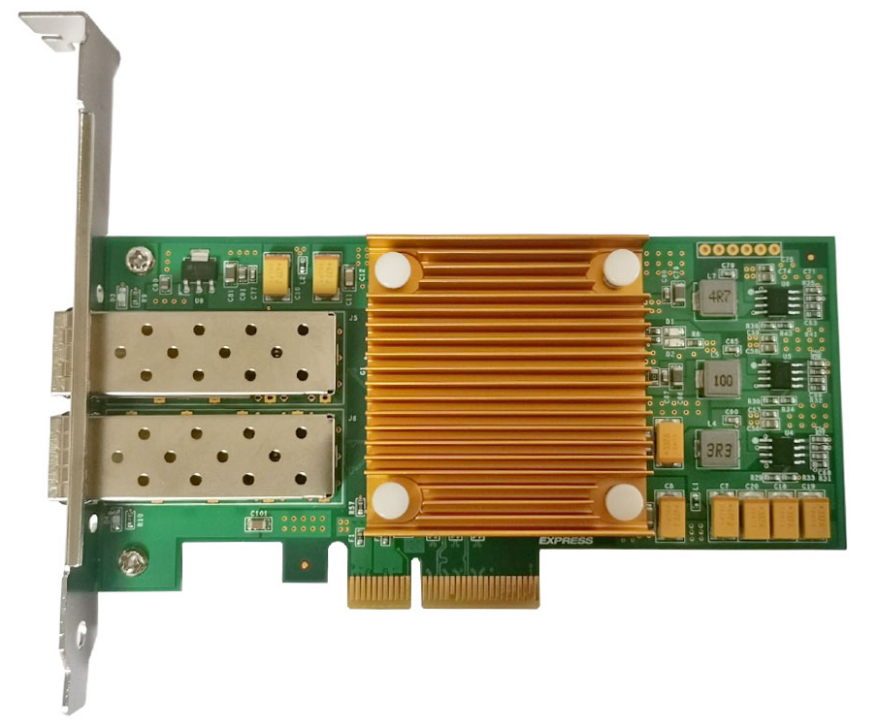
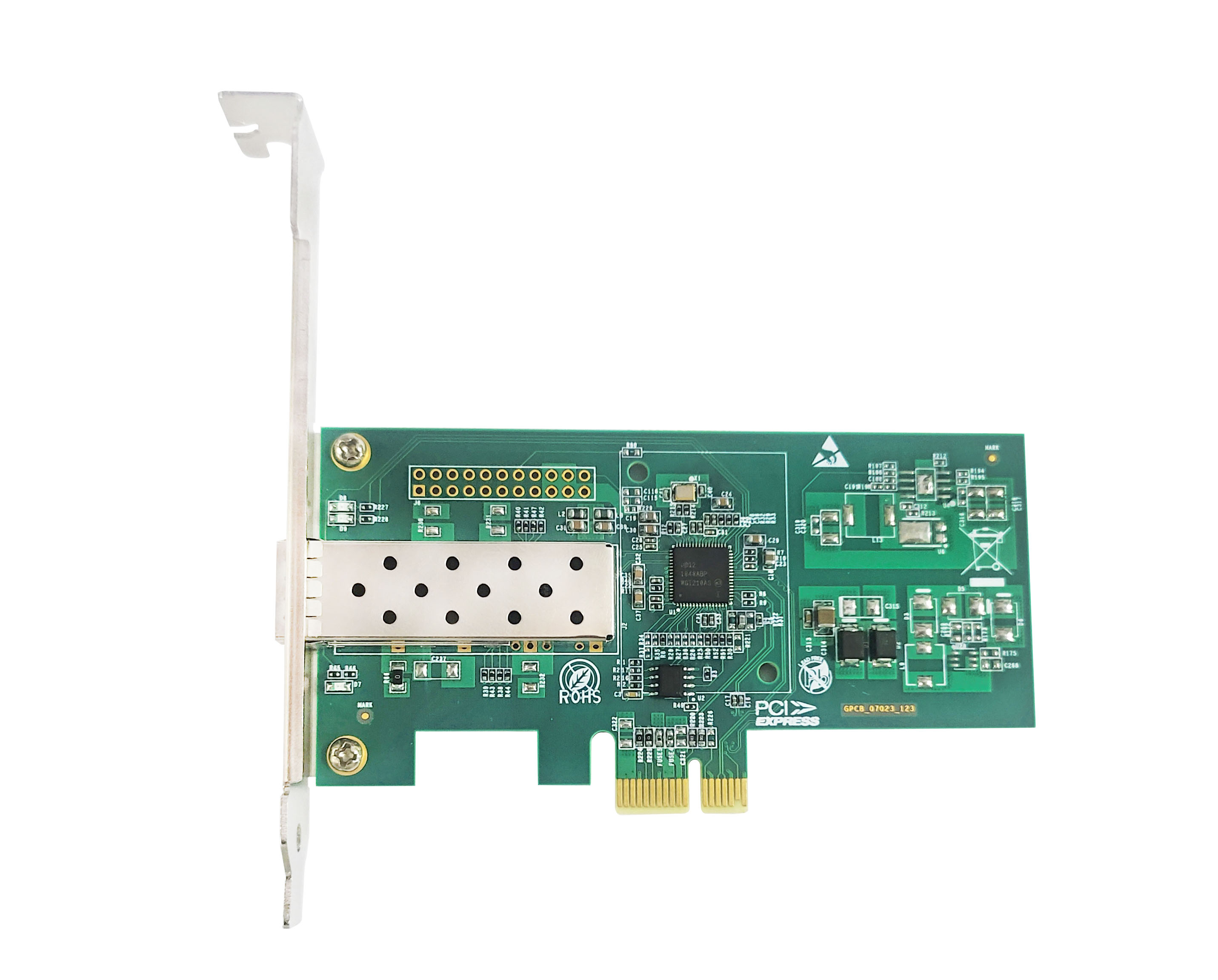
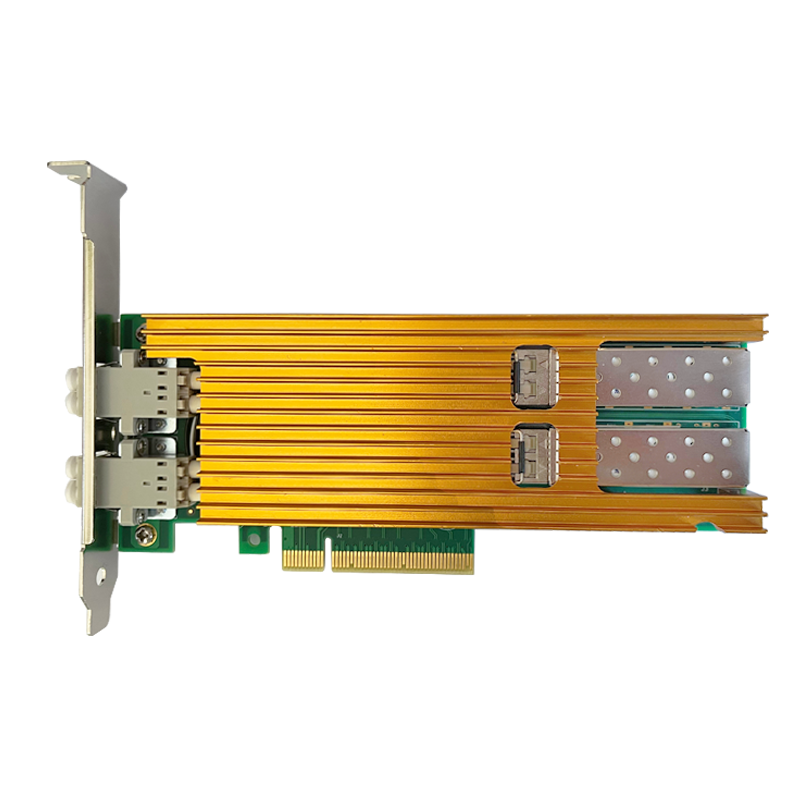
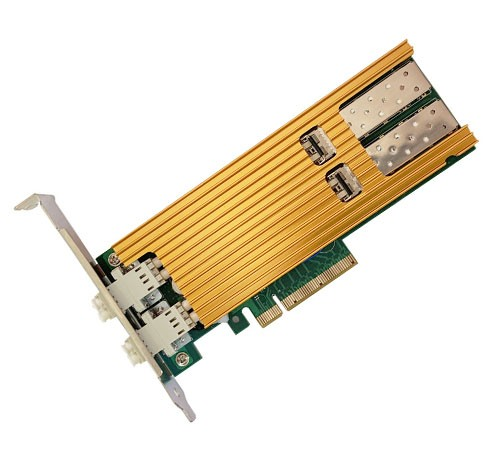
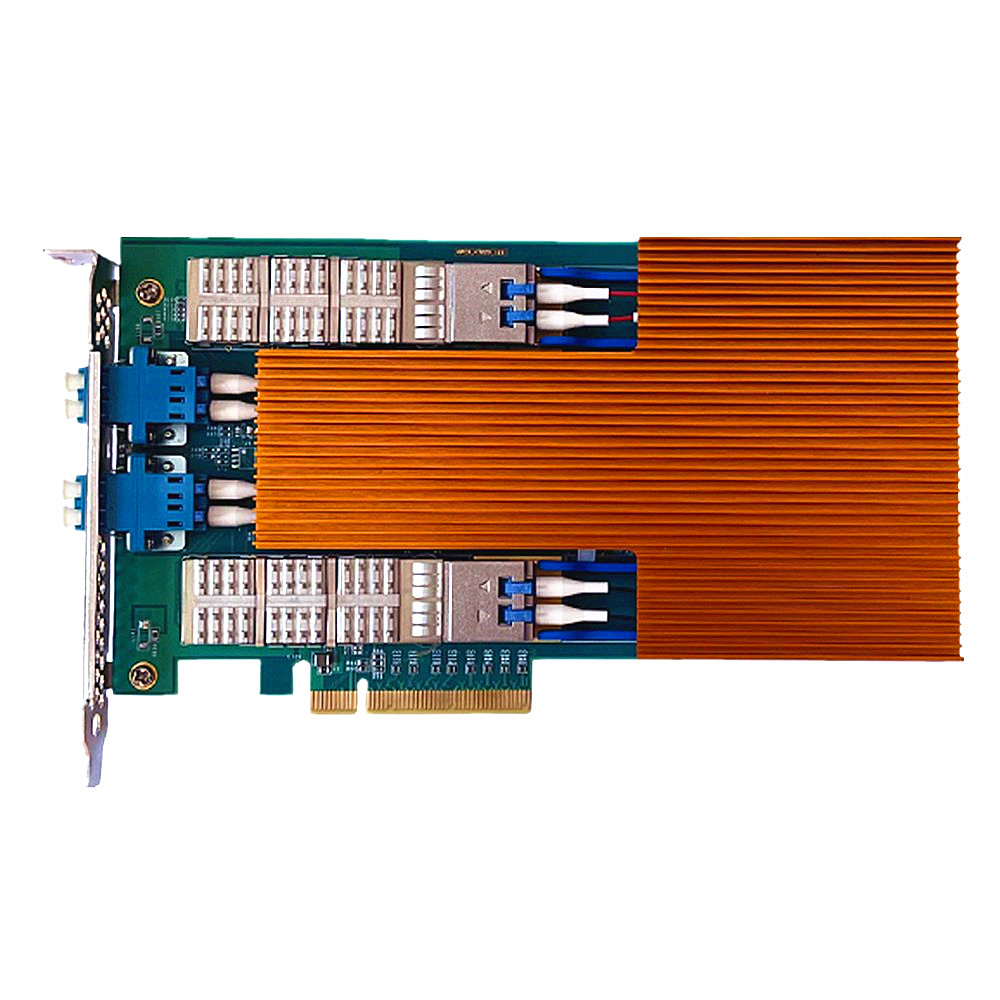
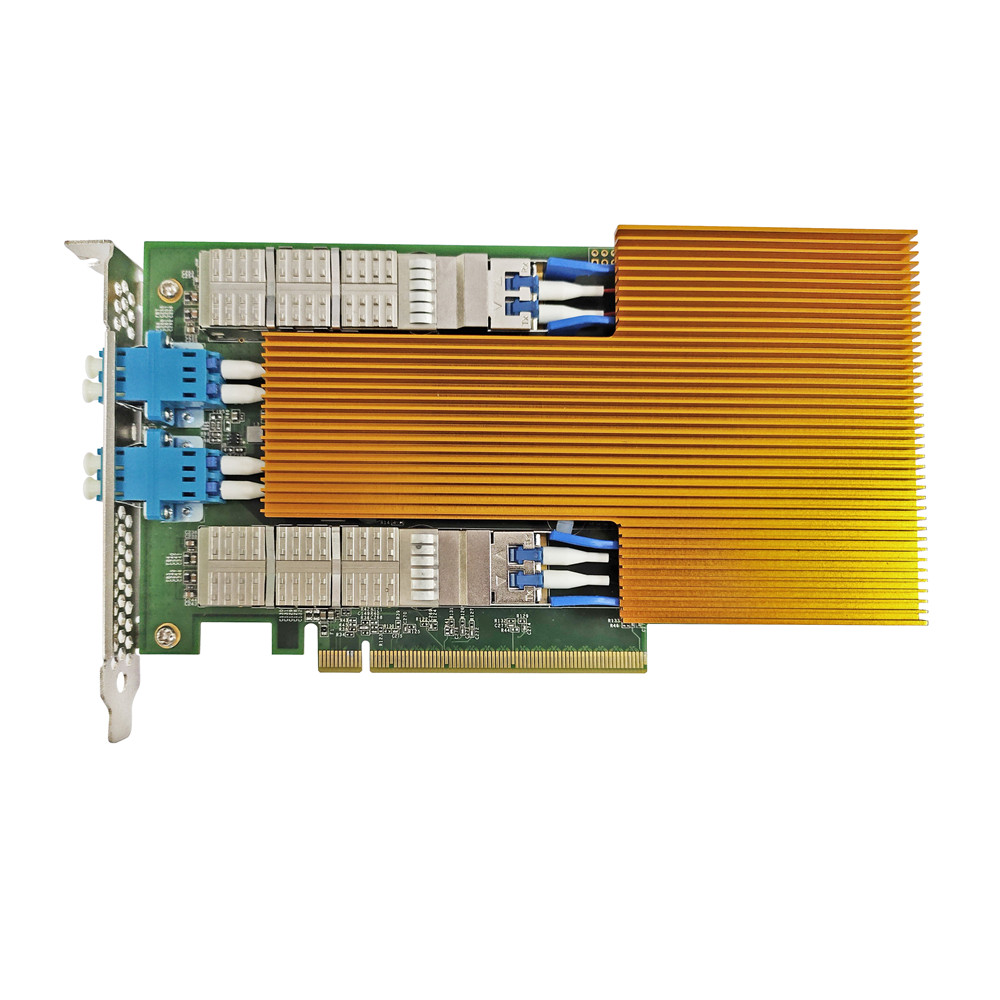
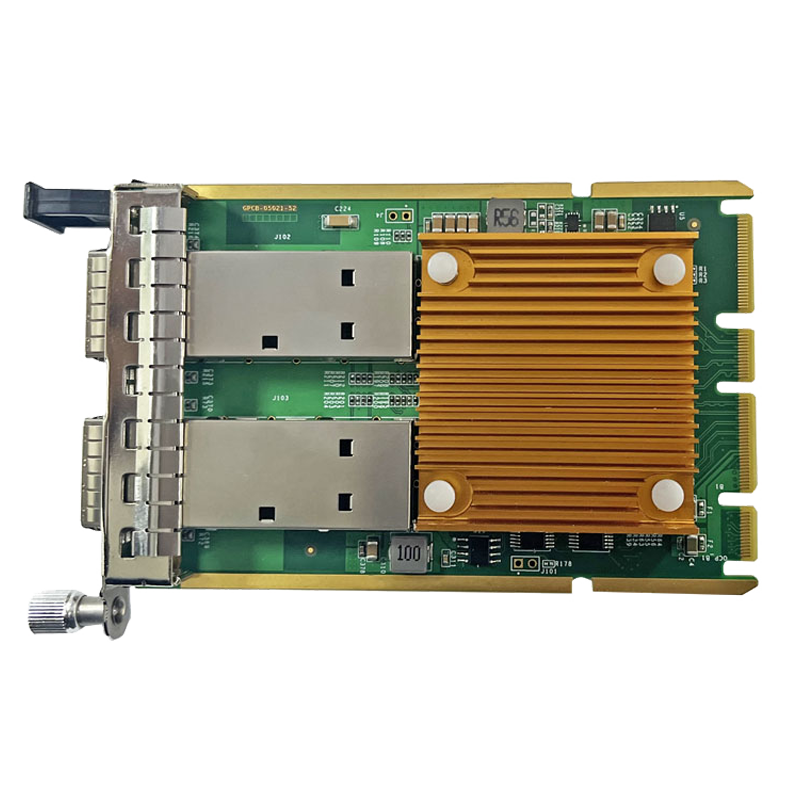
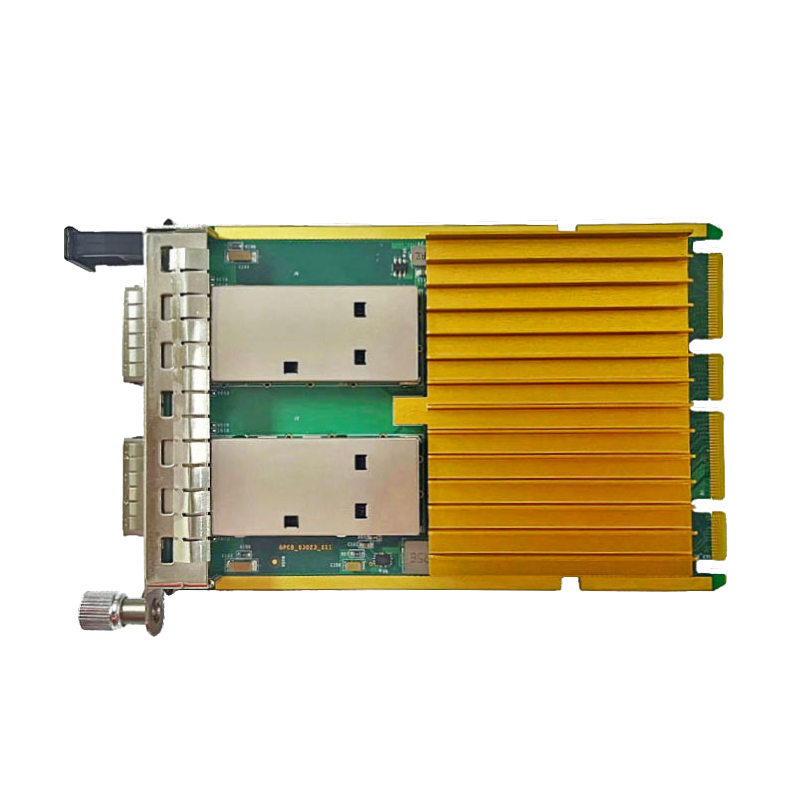
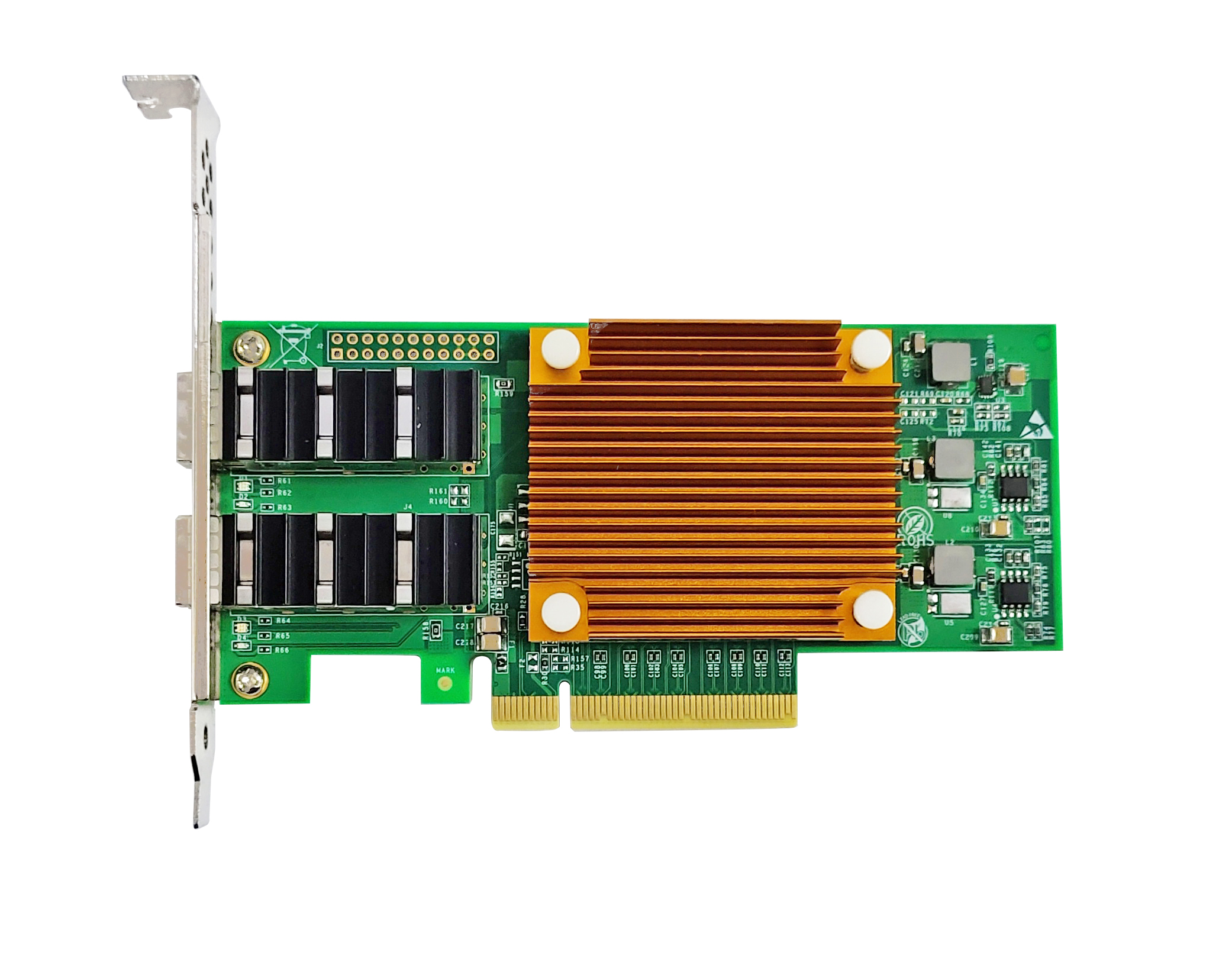
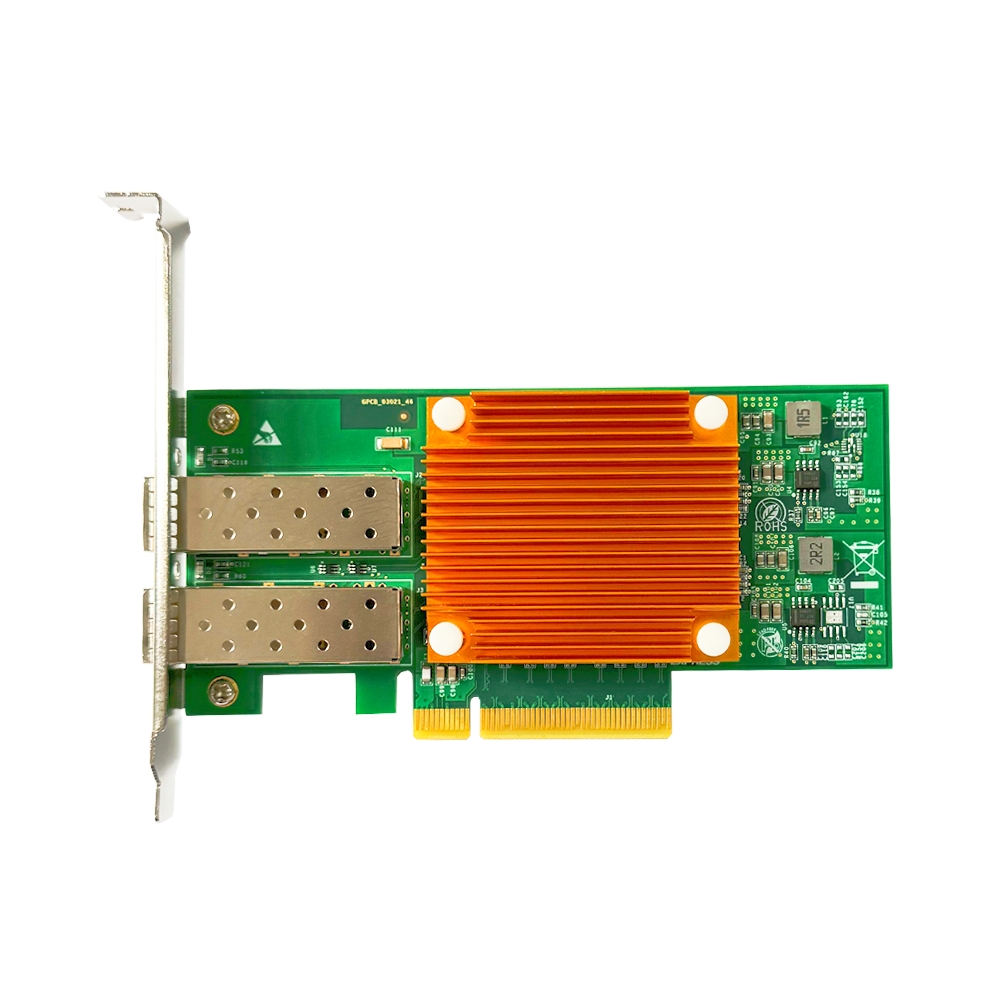
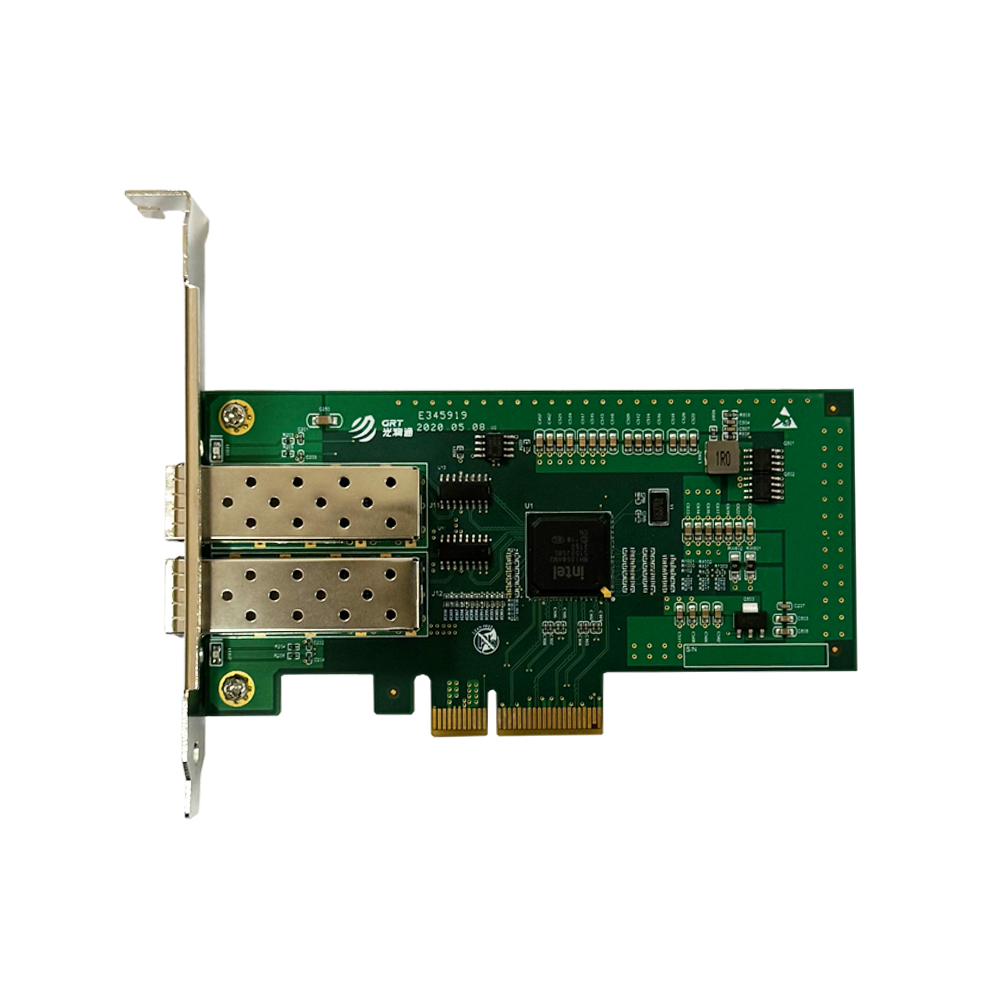
For environment requiring longer transmission distances and stronger interference resistance—such as surveillance systems or multi-building campus networks—GRT’s FF-901E2.5G-V3.0 (single port) and FF-902E2.5G-V3.0 (dual port) offer distinct advantages. Equipped with the G225E chip, these cards support auto-negotiation between 2.5G and Gigabit speeds, allowing smooth integration with existing fiber equipment and reducing the cost of upgrading and transition.
Fiber optic transmission technology grants this product series inherent strengths: it maintains zero data packet loss even in industrial environments or scenarios with significant electromagnetic interference, and its transmission distance over single-mode fiber can reach up to 120km, far exceeding the limits of traditional network cables . This characteristic makes it particularly outstanding in smart city security systems. For instance, in one urban intelligent transportation project, the use of GRT’s 2.5G fiber optic NICs to connect 128 high-definition cameras achieved real-time video data transmission and low-latency analysis, enhancing system stability by 37% compared to using imported network cards.
Full Ecosystem Compatibility. GRT’s 2.5G cards are thoroughly adapted for Windows 10/11, all Linux kernels, and domestic OSes like UOS and Kylin. They also support homegrown hardware platforms such as Kunpeng, Phytium, and Loongson, meeting strict informatization requirements for government, military, and other secure sectors. Each batch undergoes rigorous testing—compatibility, aging, high/low temperature, vibration—and carries international certifications including CE, FCC, and ROHS, ensuring 24/7 reliability.
2.5G Network Upgrade: A Deployment Guide from Network Card to Overall Infrastructure
Selecting the right network card is merely the first step in an upgrade; pairing it correctly with peripheral equipment is crucial to maximizing performance. Considering the characteristics of GRT network cards, the following deployment points are worth noting .
Cable Selection: GRT electrical-port network cards exhibit strong compatibility with network cables. Existing Cat-5e cables can meet the requirements for 2.5G transmission over short distances (within 50 meters). For transmission distances exceeding 50 meters or in environments with strong electromagnetic interference, it is recommended to use Cat-6 cables to ensure stability .
Peripheral Equipment: A full 2.5G link requires a router or switch supporting 2.5G ports to create a “network card - switch - optical modem” link. GRT cards are certified compatible with Huawei, H3C, Inspur, and other major brands, ensuring reliable integration.
Driver Adaptation: For those using domestic operating systems, corresponding drivers for specific models can be downloaded directly from the official GRT website. Their technical team provides 24/7 remote support to ensure rapid resolution of driver installation and system compatibility issues.
From a cost perspective, upgrading 10 devices for an SME with GRT 2.5G cards and a compatible switch costs around ¥1,000—far less than a 10G solution (¥20,000+)—while delivering performance that will meet needs for the next 3-5 years. This cost-effectiveness makes it a rational choice for current network upgrades.
Conclusion: The Rise and the future of Domestic Network Cards
The shift from Gigabit to 2.5G is more than a speed upgrade—it marks a significant step towards autonomous and controllable network infrastructure. The launch of GRT’s 2.5G network cards break the monopoly of imported chips in the mid-to-high-end market. offering performance on par with international alternatives, enhanced security, and competitive pricing. Its product characteristics—“performance rivaling imports, enhanced security and controllability, and more favorable cost”—are gaining increasing recognition from enterprises and industry users.
As emerging technologies like AI and edge computing push bandwidth demands higher, 2.5G will remain a key intermediate solution for the next 3-5 years. Choosing GRT’s homegrown 2.5G cards is not only a practical response to current bandwidth challenges—it is also a vote of confidence in China’s capacity for independent technological innovation. In the wave of network upgrades, domestic network cards are leaping from “usable” to “excellent”,writing a new chapter in autonomy and controllability.
- Prev: None
- Next: None
Latest information
- The Hidden Relationship Between NIC Heat Dissipation and Data Center Cabinet Layout
- Why are serpentine traces designed on the NIC PCB board
- NIC and Operating System Ecosystem Adaptation: From Hardware Compatibility to Win-Win Performance
- NIC Hardware Offload Technology: Let Server CPU Focus on Business Computing
- Network Card Driver: The Invisible Bridge Between Hardware and Operating System
- Understanding the Partners in Fiber Links: Optical Modules and Optical Fibers
- How to Select NICs for Virtualization Environments to Achieve Performance Isolation and Resource Allocation
- What are FCC, CE and RoHS on Network Cards