Sign in


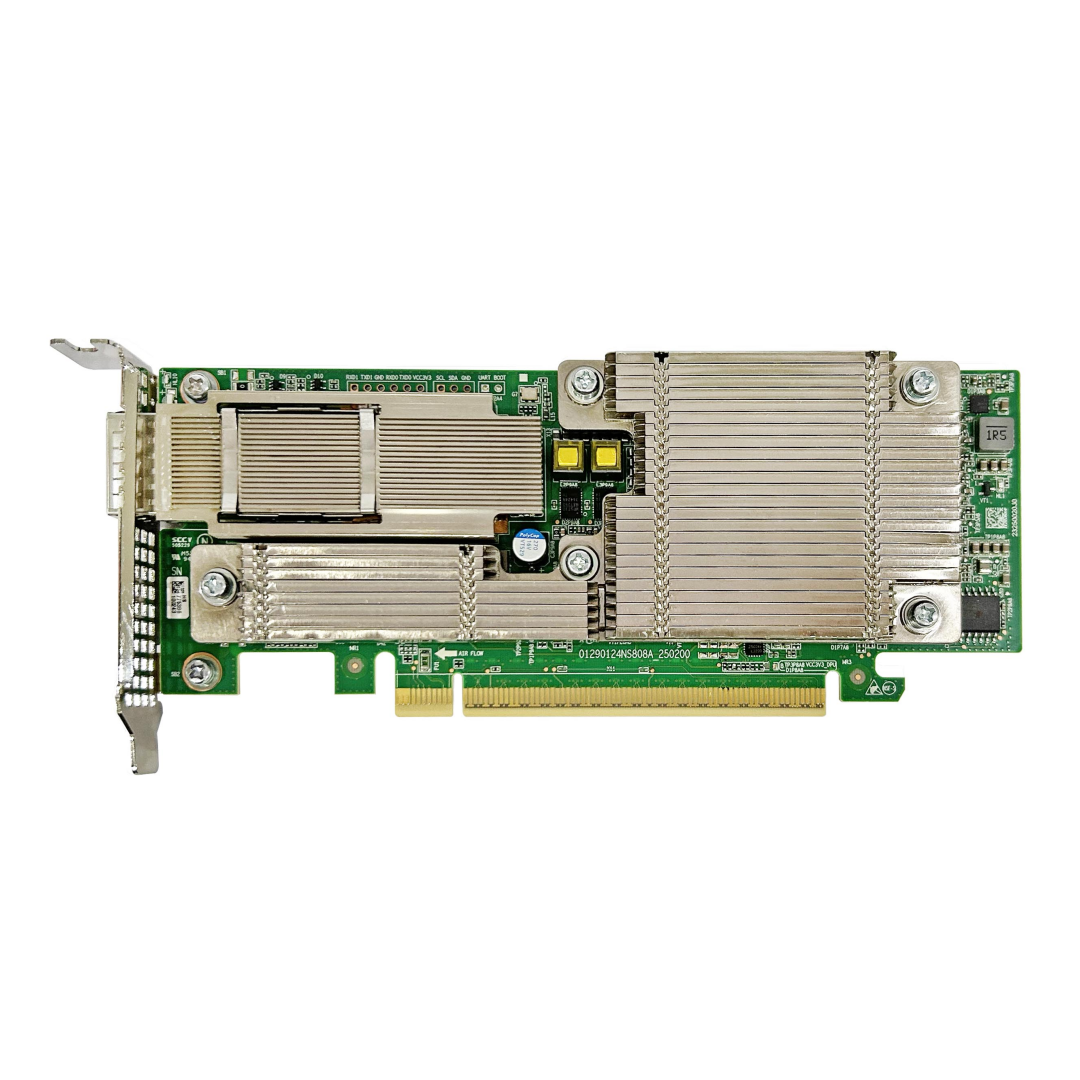
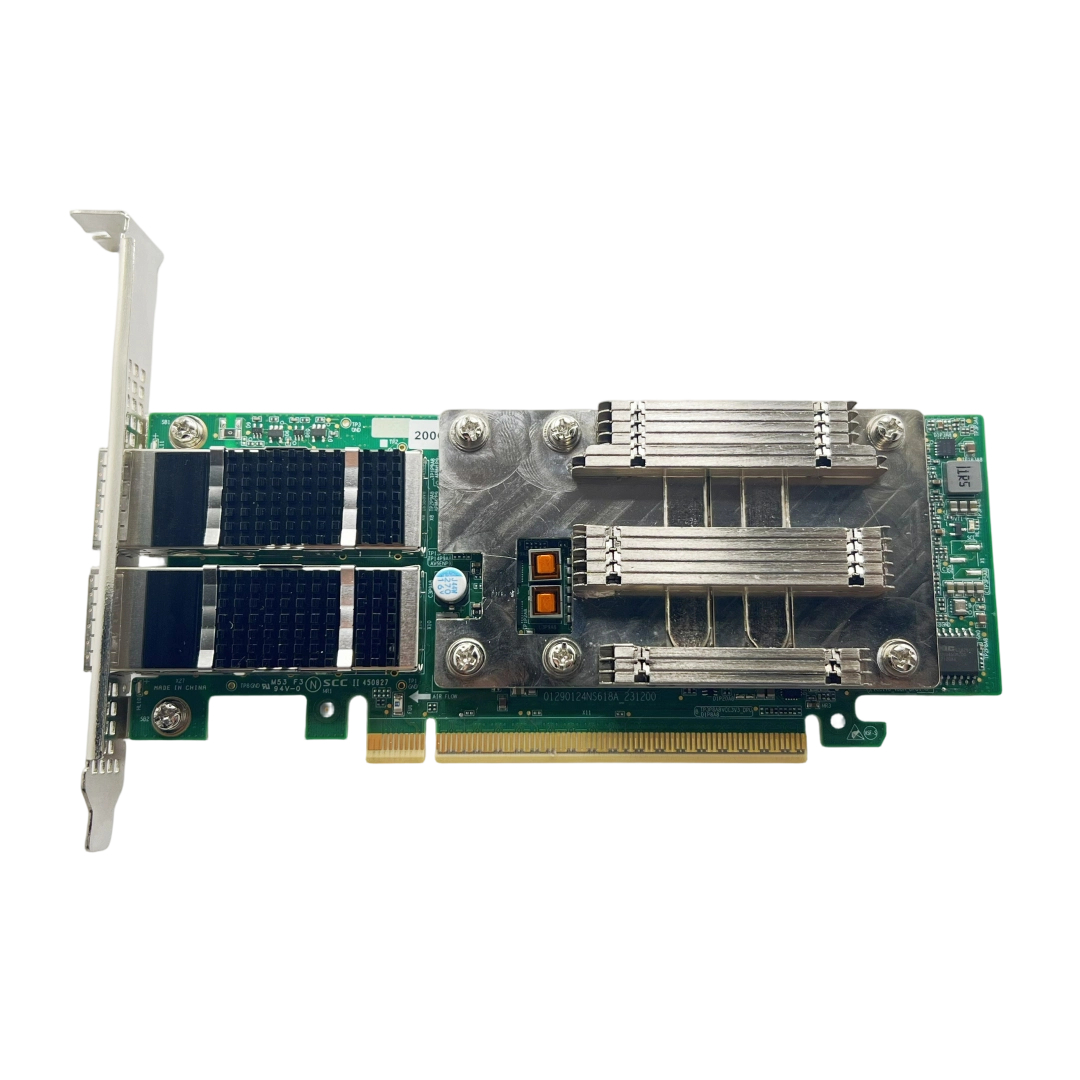

What Is an OCP 3.0 Network Card?
< BackWhat Is an OCP 3.0 Network Card?
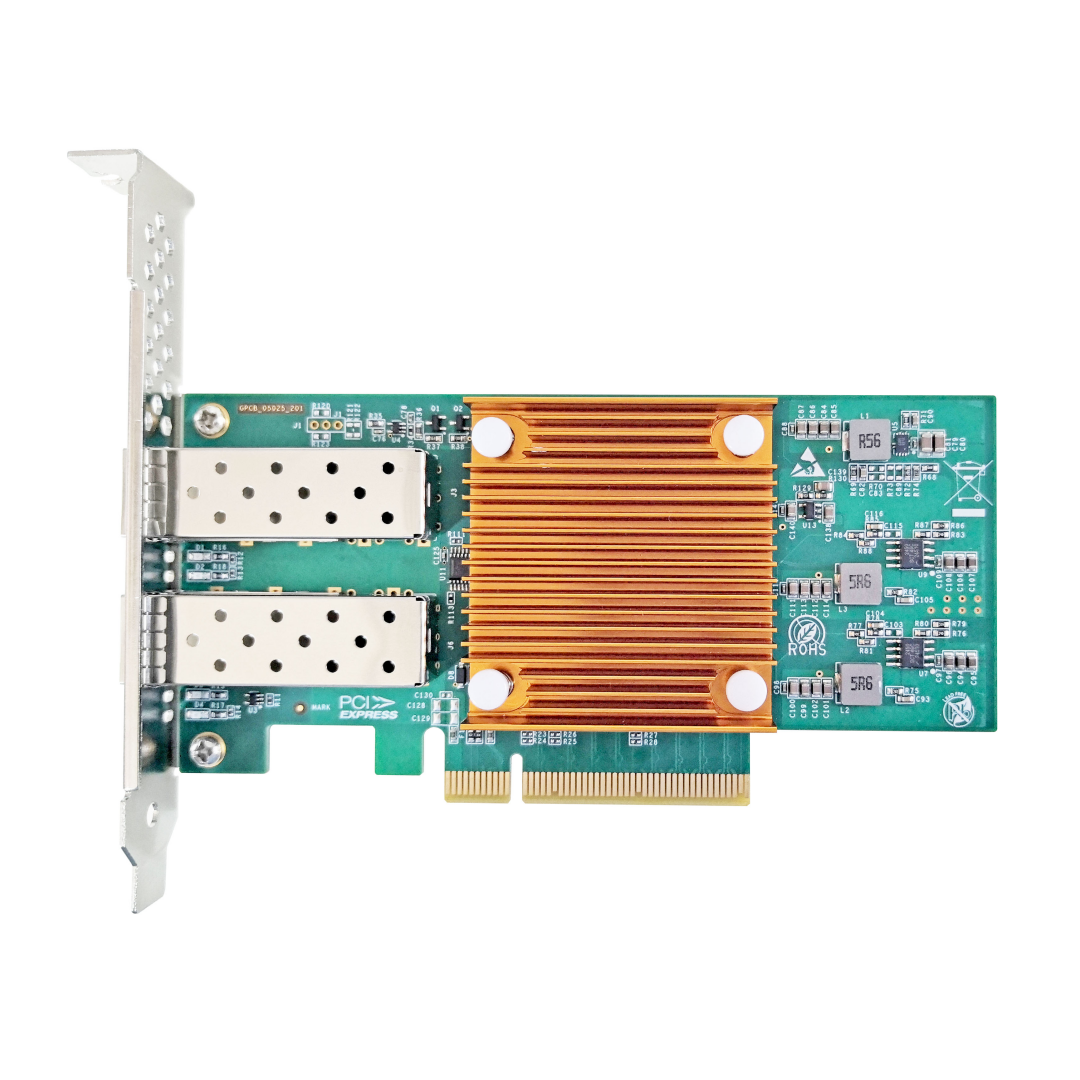
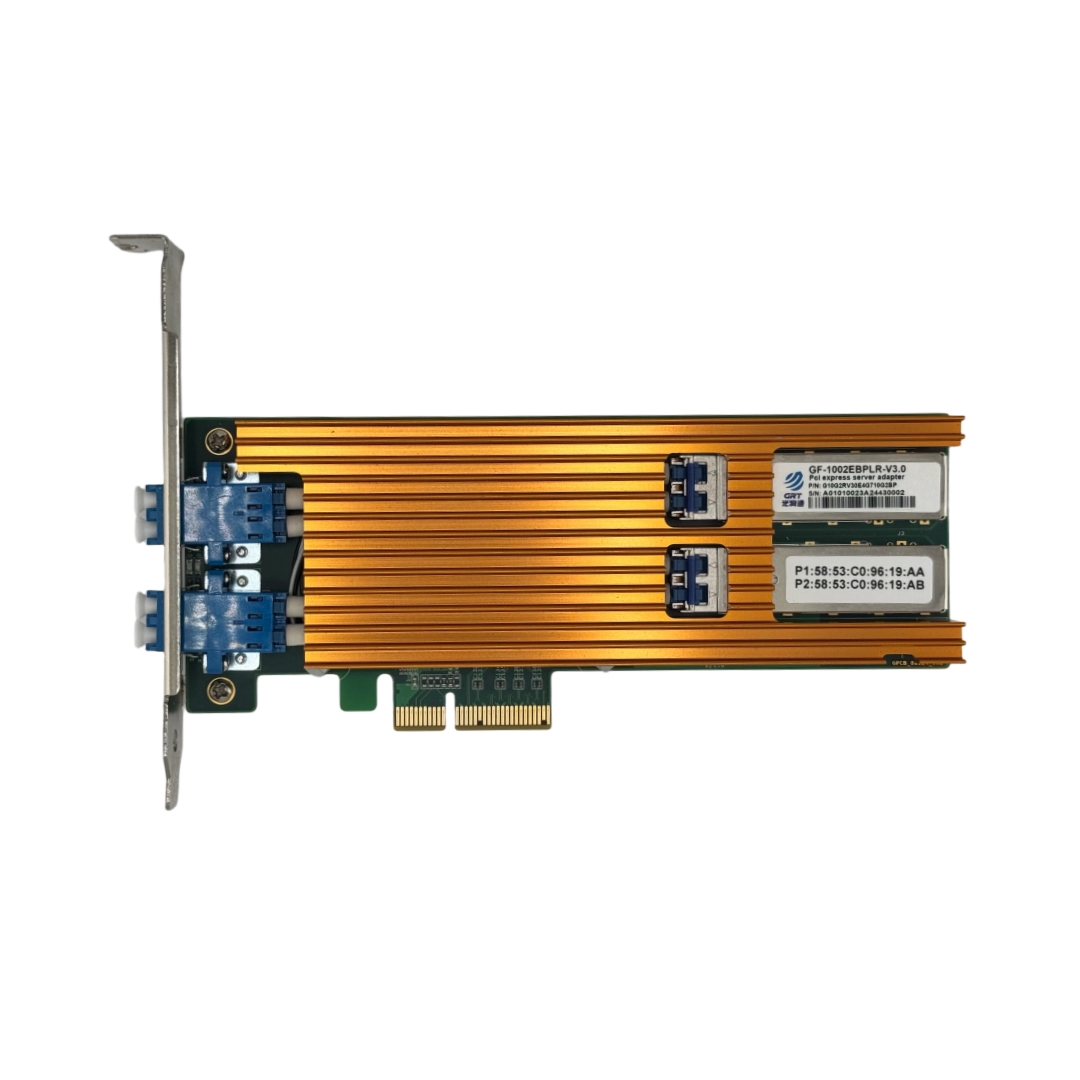
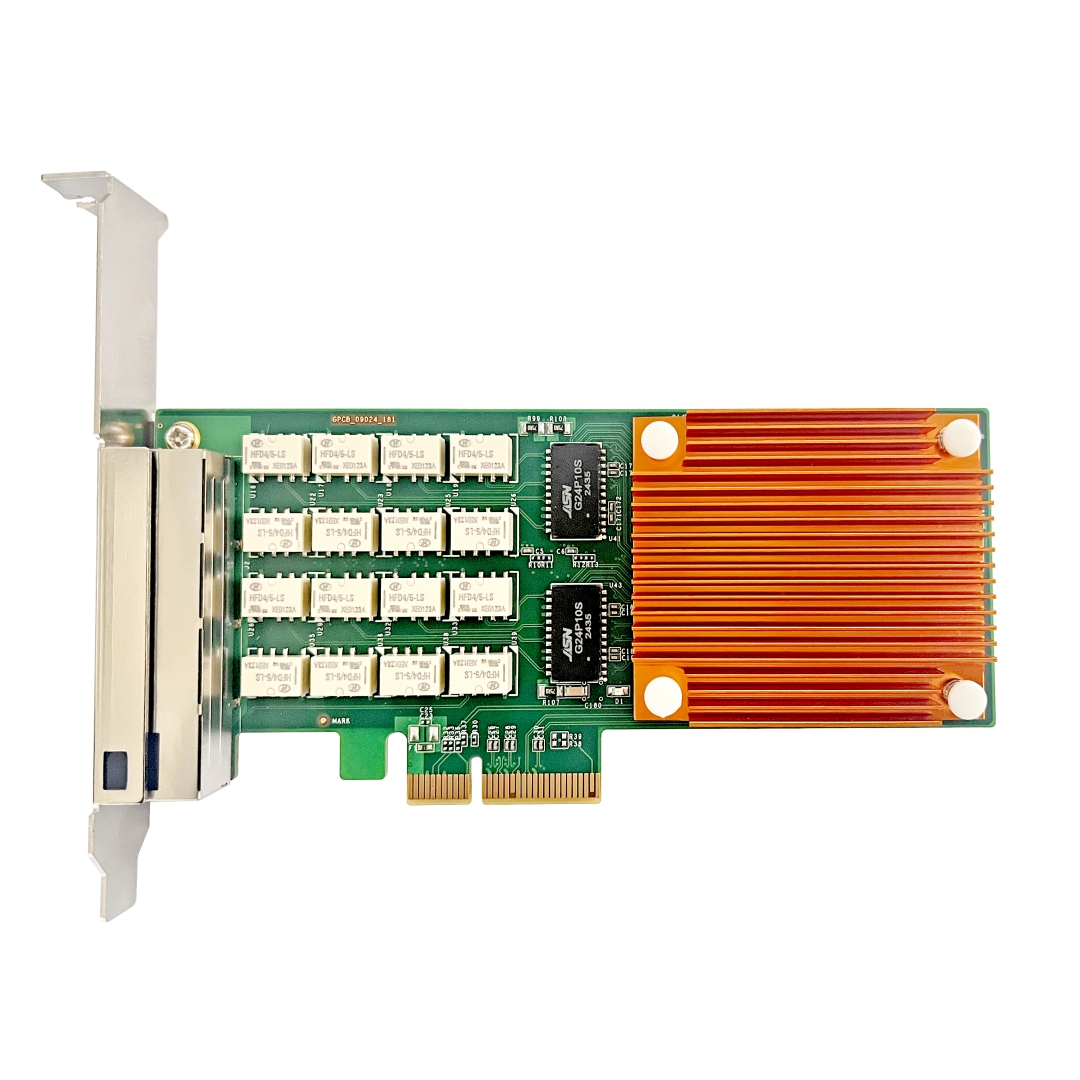
Traditional PCIe network cards have served as a mature and reliable solution for server network connectivity for many years. However, modern servers require faster and more reliable network connections to support data-intensive workloads. As data traffic continues to grow and applications demand lower latency, traditional networking solutions may fall short in terms of flexibility, scalability, and performance.
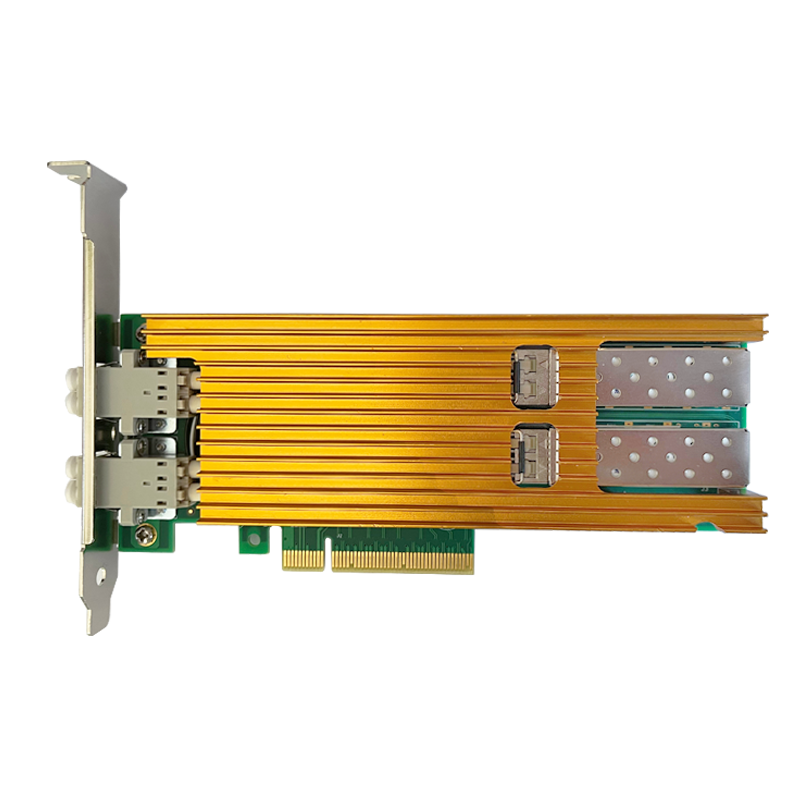
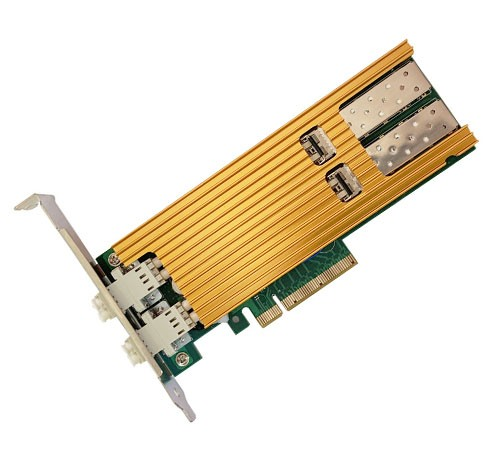
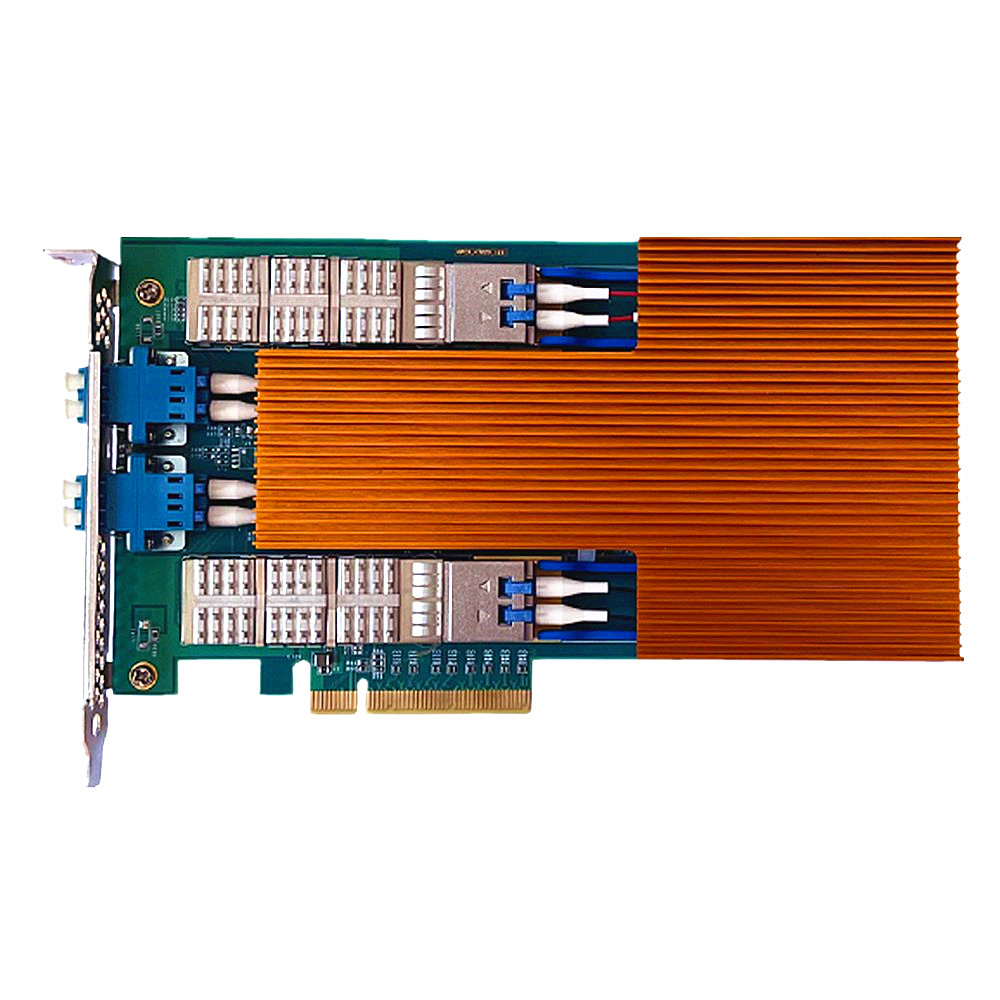
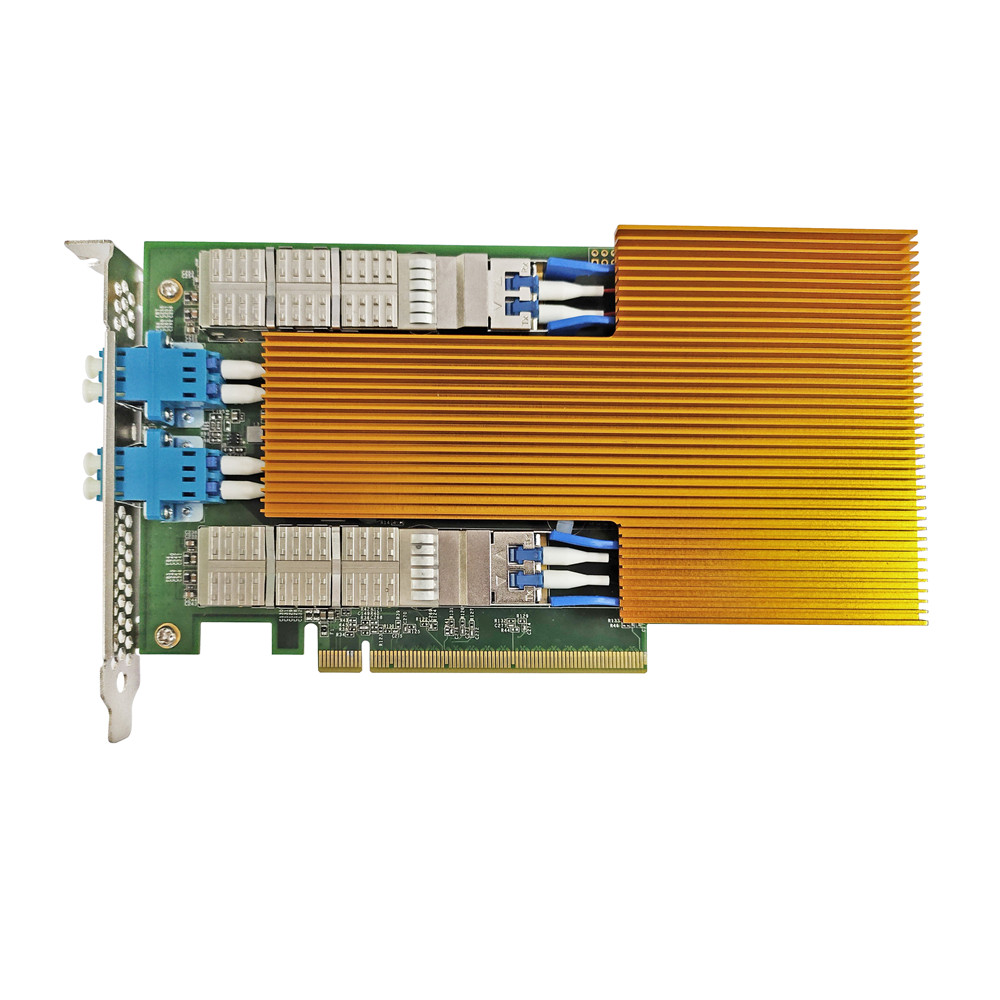
OCP 3.0 was developed to address some of the limitations faced by PCIe network cards in high-density, high-performance environments. It introduces a standardized design that improves airflow, simplifies maintenance, and meets the bandwidth requirements of modern data centers. As a leading Chinese optical communications brand, Guangruntong (GRT) has launched the GH1102E-OCP-V3.1 network card, a high-performance product based on the OCP 3.0 standard, providing mature hardware support for practical OCP 3.0 deployments.
I. What Is an OCP 3.0 Network Card?
OCP NIC 3.0 is a dedicated mezzanine-type network interface card developed by the Open Compute Project (OCP). It is designed to improve interoperability and address challenges associated with traditional NIC designs. OCP NIC 3.0 modules are slim and support hot swapping. They can be installed through the front or rear panel of a server, making them easier to access and replace.
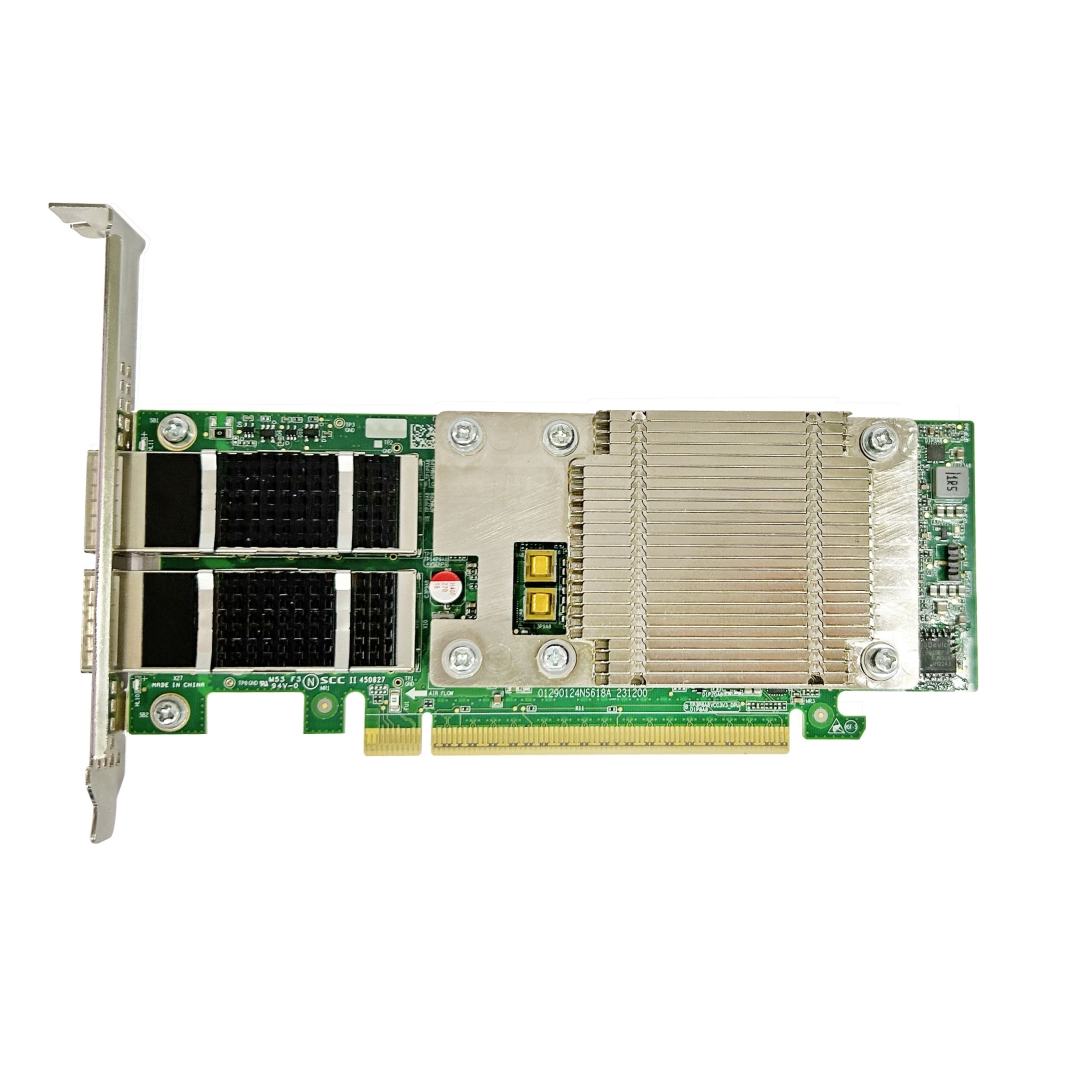
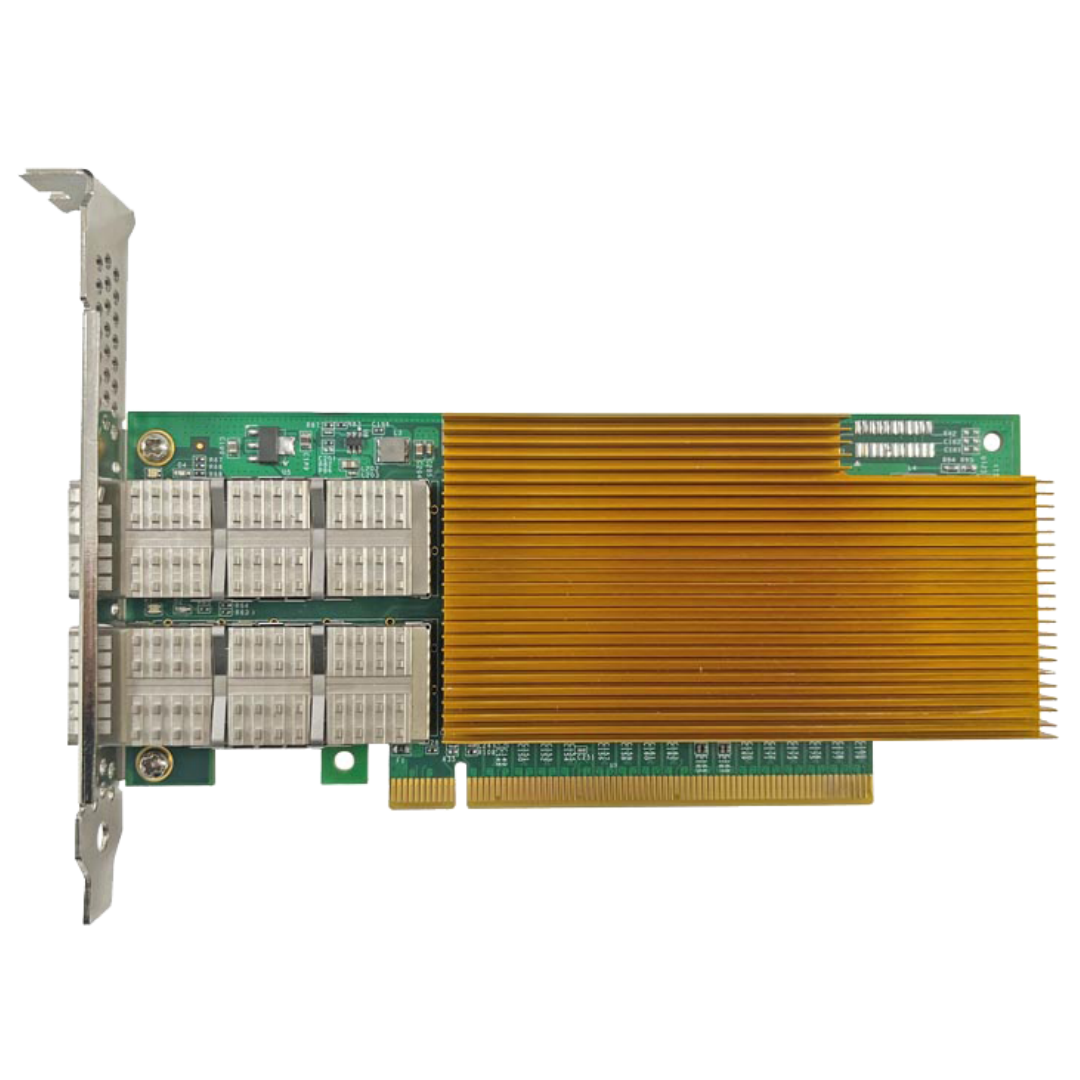
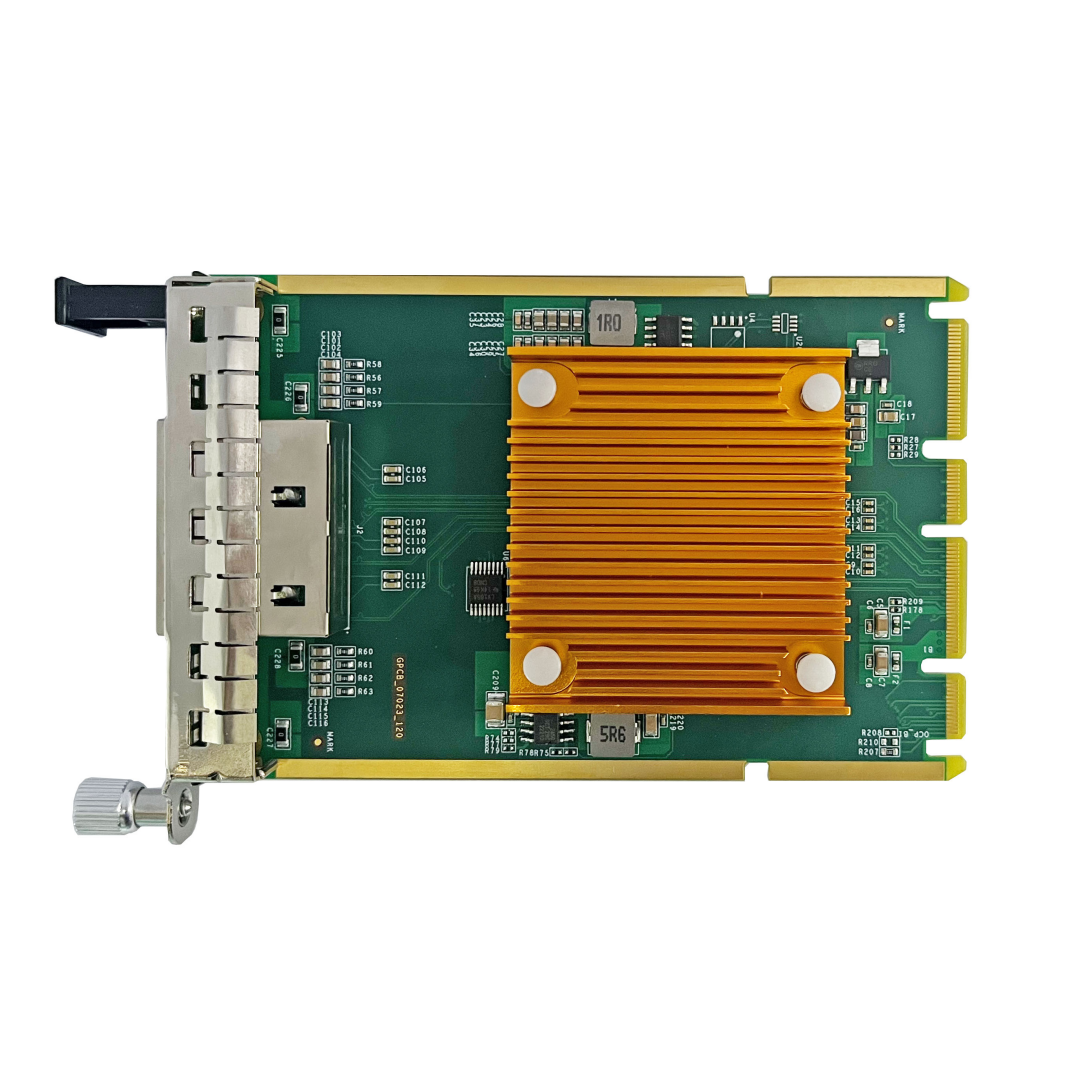
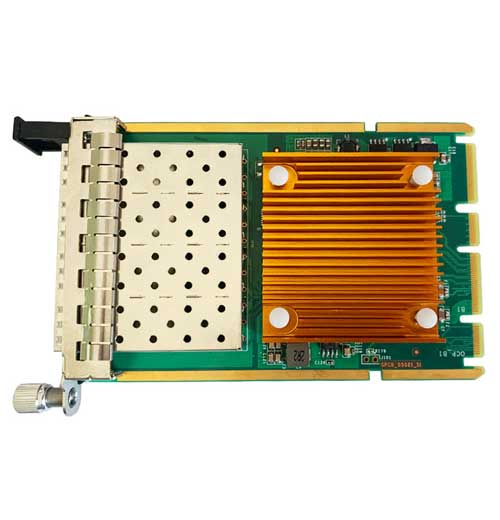
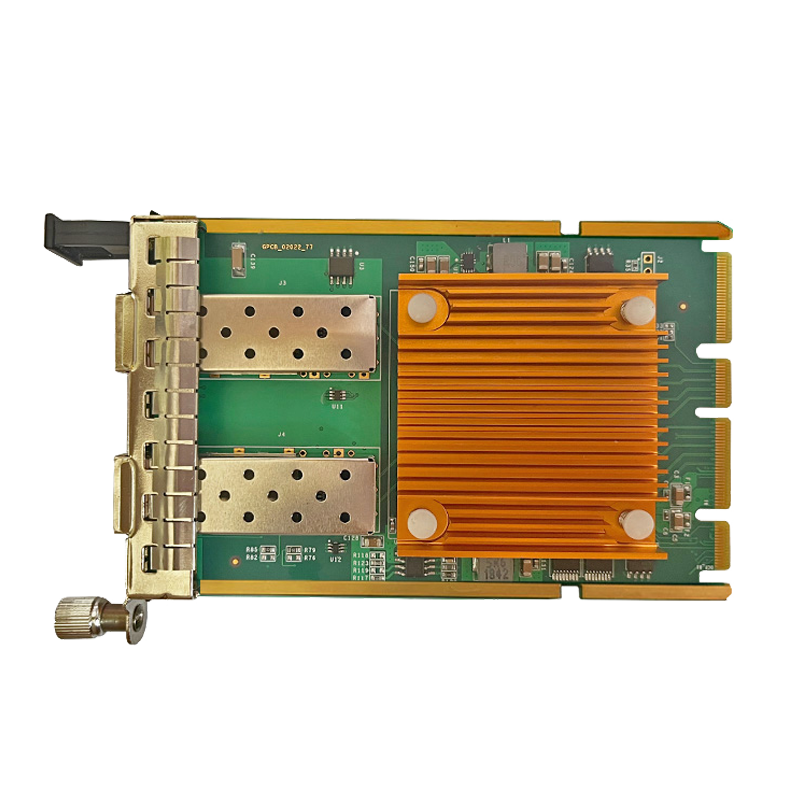
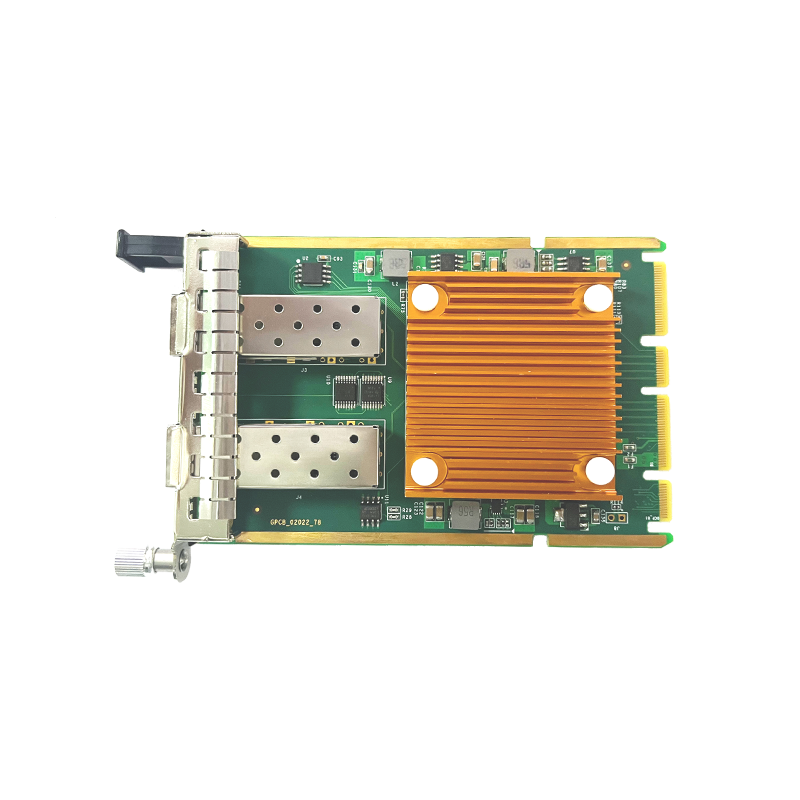
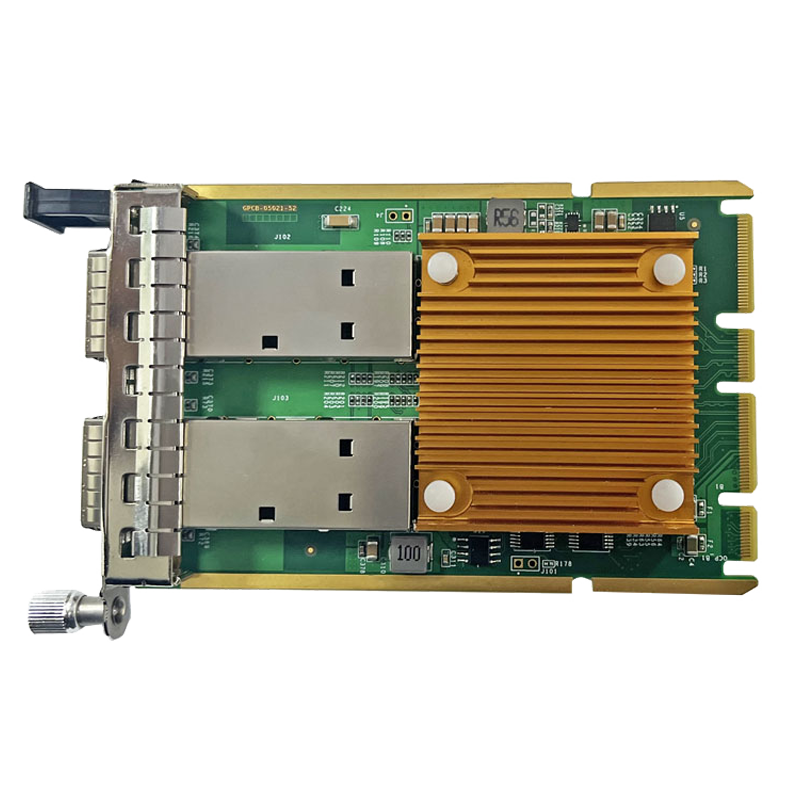
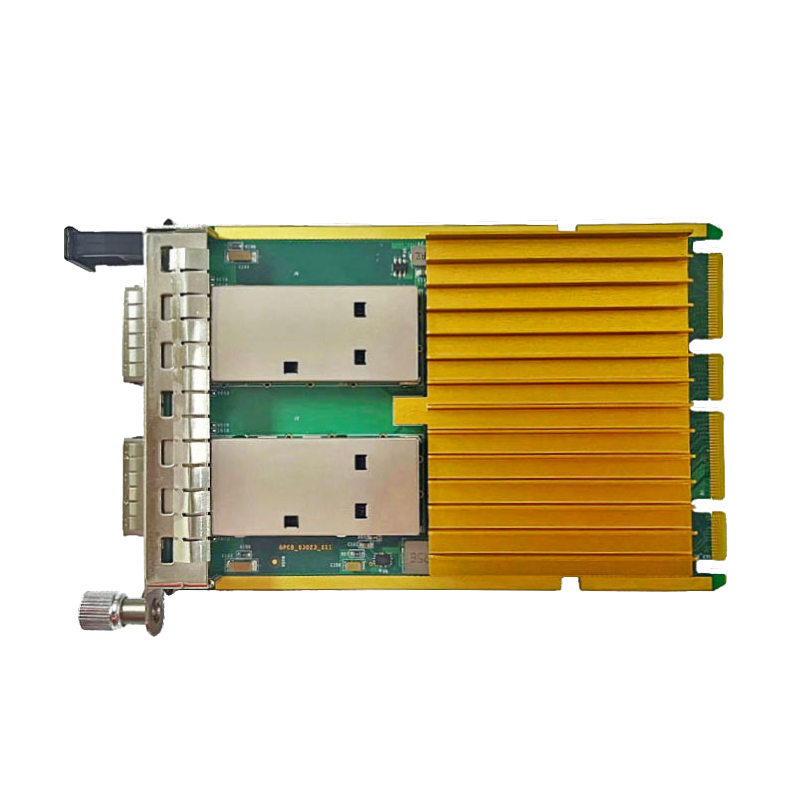
The Guangruntong (GRT) GH1102E-OCP-V3.1 fully complies with the OCP Mezzanine Card 3.0 design specification. It uses an Intel® E810-CAM2 Ethernet controller and features two QSFP28 optical ports. It is a 100G dual-port Ethernet mezzanine card specifically designed for OCP servers. In essence, it is a typical hardware implementation of the OCP 3.0 standard: it provides core features such as hot swapping and mezzanine installation required by the standard, while hardware-level optimization further enhances performance. It can be fully adapted to various motherboards equipped with OCP 3.0 slots.
The hot-swappable design can reduce downtime during maintenance and improve airflow in high-density racks, helping servers maintain efficient cooling. OCP 3.0 NICs support speeds of up to 400GbE, meeting the requirements of modern workloads such as AI training, cloud computing, and edge deployments. The Guangruntong (GRT) product is primarily designed for 100GbE while supporting 50GbE, 25GbE, 10GbE, and 1GbE. Through IEEE 802.3 auto-negotiation, it can flexibly adapt to different environments, covering scenarios ranging from efficient data-center transmission to virtualization computing.
II. Advantages of OCP 3.0 Network Cards
OCP NIC 3.0 adopts a new architecture specifically designed to meet the requirements of modern servers. Its standardized approach provides several key advantages, while the Guangruntong (GRT) GH1102E-OCP-V3.1 puts these advantages into practice through its specific functional design:
• Maintainability: Front-access installation allows the NIC to be easily replaced without opening the chassis or shutting down the system. The Guangruntong (GRT) product not only supports OCP 3.0 hot swapping but also features intuitive LED indicators. Solid green indicates a 100Gb/s link speed, solid orange indicates a speed below 100Gb/s, flashing green indicates link activity, and no light indicates no network connection. This makes troubleshooting easier for maintenance personnel and further improves operational efficiency.
• Improved Airflow: The mezzanine layout allows airflow to pass smoothly through the server, helping maintain cooling efficiency in dense racks. The Guangruntong (GRT) GH1102E-OCP-V3.1 adopts the OCP Mezzanine Card Type 3 form factor and measures only 11.5 cm × 7.6 cm. It comes with half-height/full-height compatible brackets. Its mezzanine installation does not occupy additional space, while its 20W rated power consumption combined with IEEE 802.3az Energy Efficient Ethernet technology can reduce PHY power consumption by approximately 50% under low-load conditions, reducing thermal pressure and optimizing overall system energy consumption.
• Space Efficiency: By moving networking outside traditional PCIe slots, servers can free up space for GPUs, storage devices, and accelerators. This NIC uses a PCI Express Gen 4.0 x16 interface (16GT/s) and a 4C connector for high-bandwidth transmission. Its mezzanine design does not consume traditional PCIe slot resources, allowing servers to flexibly expand other high-performance components, particularly for virtualization and big-data computing scenarios.
• High-Speed Support and Enhanced Functions: OCP 3.0 NICs can support speeds from 25GbE to 400GbE, meeting the increasing bandwidth requirements of data-center workloads. The Guangruntong (GRT) GH1102E-OCP-V3.1 supports high-speed 100GbE transmission and provides extensive hardware acceleration and virtualization capabilities. It supports RDMA (iWARP/RoCEv2), TCP/UDP/IP checksum offload, and TCP segmentation offload (IPv4/IPv6). Each physical port supports up to 128 virtual ports, for a total of 256 virtual functions across two ports. Through VXLAN/NVGRE network virtualization offload and virtual bridging technologies such as VEPA/802.1Qbg, it effectively alleviates hypervisor I/O bottlenecks and meets load-balancing requirements for multi-processor systems. In addition, its iSCSI extension capabilities provide cost-effective SAN connectivity and enable unified LAN and storage networking (NAS/SAN).
III. OCP 3.0 Form Factors and Connectors
OCP NIC 3.0 network cards are available in several form factors and connector types:
• SFF (Small Form Factor): Compact in size and suitable for space-constrained servers. This is the standard OCP 3.0 slot type and supports up to x16 PCIe lanes. The Guangruntong (GRT) GH1102E-OCP-V3.1 uses the SFF standard form factor and conforms to the OCP Mezzanine Card Type 3 specification. It is 11.5 cm long and 7.6 cm wide, while the standard OCP 3.0 bracket length is 8.27 cm, making it highly suitable for high-density server deployments with limited space.
• TSFF (Tall Small Form Factor): The same dimensions as SFF, but with greater height to accommodate larger heatsinks.
• LFF (Large Form Factor): Wider in size and requiring additional OCP ports. The wider heatsink provides better cooling for high-speed NICs. Additional ports can also support up to 32 PCIe lanes. This form factor is less common.
The connectors used in OCP NIC 3.0 determine the available PCIe bandwidth:
• 2C Connector: Supports up to 8 PCIe lanes (x8). It is typically used for NICs with speeds of up to 100GbE.
• 4C Connector: Supports up to 16 PCIe lanes (x16). 200GbE and 400GbE NICs require 4C connectors because these applications have higher bandwidth and throughput requirements.
The Guangruntong (GRT) GH1102E-OCP-V3.1 uses a 4C connector and supports a PCI Express Gen 4.0 x16 interface. Although it is primarily designed for 100GbE, the high-bandwidth redundancy provided by the x16 interface ensures stable data transmission and future expansion potential. Its design fully complies with the OCP 3.0 standard for matching connectors with bandwidth requirements. These options allow server designers to select the appropriate OCP NIC according to their networking requirements without sacrificing thermal or mechanical efficiency.
Frequently Asked Questions
1. What is the difference between OCP NIC 3.0 and traditional PCIe NICs?
OCP NIC 3.0 moves the NIC to a front- or rear-accessible hot-swappable mezzanine slot, improving flexibility and maintainability. It frees PCIe slots for other purposes and supports ultra-high-speed connectivity. PCIe NICs remain widely compatible and reliable, but they require internal access for installation. The Guangruntong (GRT) GH1102E-OCP-V3.1 further enhances hardware acceleration and virtualization capabilities while combining multi-rate compatibility with extensive interface protocols to balance performance and adaptability.
2. What network speeds are supported by OCP 3.0 NICs?
OCP NIC 3.0 supports transmission speeds from 25GbE to 400GbE. The standard provides two connector types: 2C connectors with 8 PCIe lanes (x8) and 4C connectors with 16 PCIe lanes (x16). The number of PCIe lanes determines the maximum data transmission rate supported by the NIC, although the exact specifications vary by manufacturer. The Guangruntong (GRT) GH1102E-OCP-V3.1 uses a 4C connector with x16 PCIe lanes. Its primary speed is 100GbE, while it also supports 50GbE, 25GbE, 10GbE, and 1GbE through auto-negotiation.
3. Can an OCP NIC 3.0 be hot-swapped while the server is running?
Yes. One of the key advantages of OCP NIC 3.0 is that the NIC can be replaced or installed without shutting down the server, reducing downtime and simplifying maintenance. The Guangruntong (GRT) GH1102E-OCP-V3.1 fully supports this feature, and its LED status indicators enable rapid deployment and fault replacement during operation and maintenance.
4. Is an OCP NIC 3.0 compatible with all server models?
No. OCP NIC 3.0 requires a server equipped with a compatible mezzanine slot. Many server platforms support it, but not all. The Guangruntong (GRT) GH1102E-OCP-V3.1 follows the OCP 3.0 standard and can be adapted to servers supporting OCP 3.0 mezzanine slots. Its products have been deployed in data centers across multiple key industries, with compatibility validated in practical applications.
5. Is OCP NIC 3.0 suitable for data centers of all sizes, or only large-scale deployments?
OCP NIC 3.0 is primarily designed for hyperscale and enterprise data centers with demanding requirements for high bandwidth, maintainability, and airflow. Smaller data centers can also benefit from it, but traditional PCIe NICs may be more practical because of their simpler installation and deployment. For small and medium-sized data centers seeking a balance between performance and cost, the Guangruntong (GRT) GH1102E-OCP-V3.1, with its mature hardware solution, competitive value as a Chinese brand, and comprehensive after-sales service (+86-10-51626348-8003), is a practical and reliable choice.
Conclusion
OCP NIC 3.0 is designed specifically to meet the needs of modern data centers. Its design improves maintainability, airflow, and space utilization while supporting extremely high network speeds. Traditional PCIe NICs remain reliable and widely used, but OCP 3.0 fills an important gap where rapid maintenance and thermal management are critical.
For organizations managing large-scale or high-density server deployments, adopting OCP NIC 3.0, such as the Guangruntong (GRT) GH1102E-OCP-V3.1, can reduce downtime and improve overall network performance. Its flexibility in form factors and connector options allows users to select the appropriate NIC according to specific workload requirements.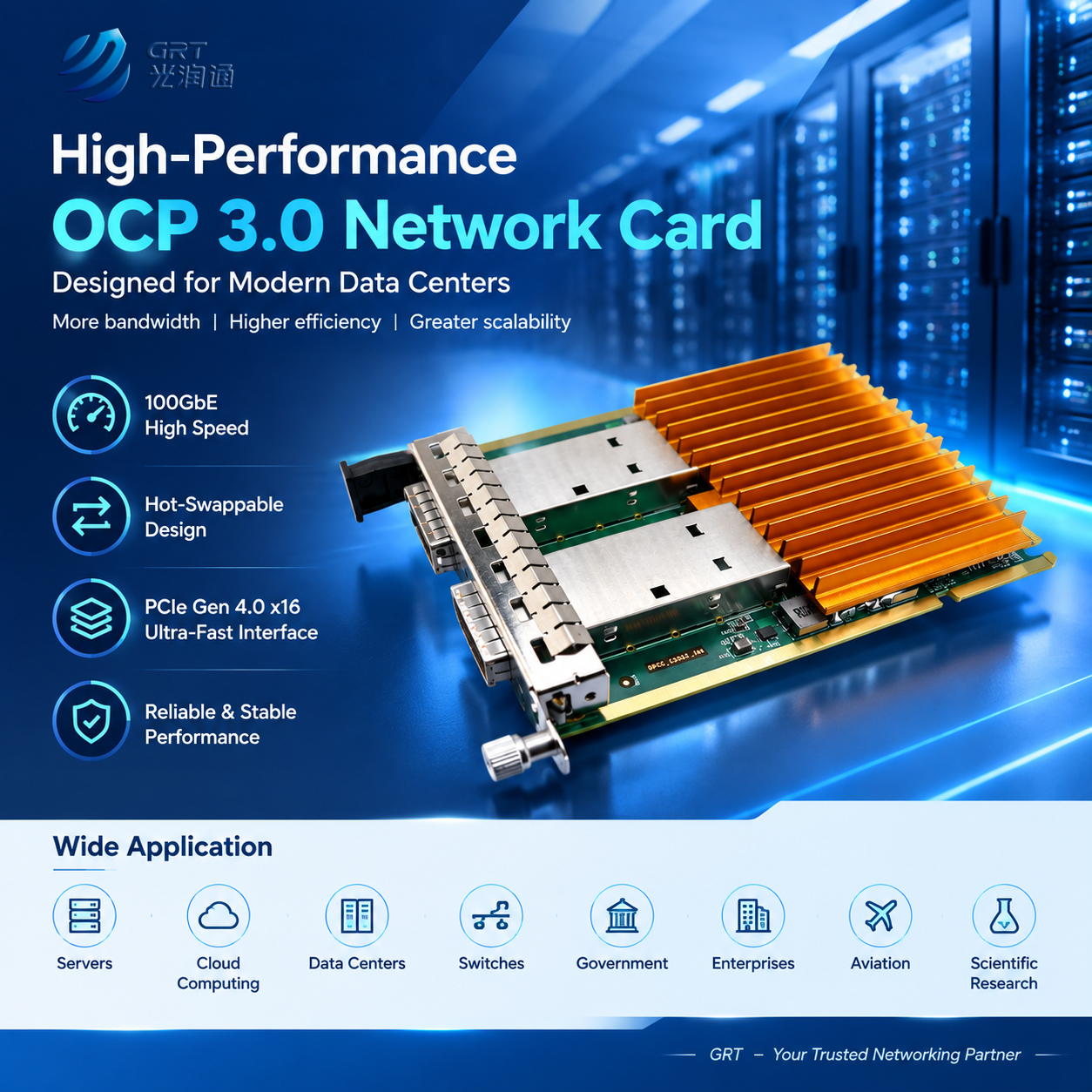
Latest information
- What Is an OCP 3.0 Network Card?
- The King of Cost-Effective 25G NIC: In-Depth Analysis of Guangruntong (GRT) GH2502EM-V4.1
- The Hidden Relationship Between NIC Heat Dissipation and Data Center Cabinet Layout
- Why are serpentine traces designed on the NIC PCB board
- NIC and Operating System Ecosystem Adaptation: From Hardware Compatibility to Win-Win Performance
- NIC Hardware Offload Technology: Let Server CPU Focus on Business Computing
- Network Card Driver: The Invisible Bridge Between Hardware and Operating System
- Understanding the Partners in Fiber Links: Optical Modules and Optical Fibers