Sign in




How to Monitor Laser Bias Current to Predict Optical Module Aging
< BackHow to Monitor Laser Bias Current to Predict Optical Module Aging
Optical modules are key components in fiber-optic links. As their internal lasers are used over time, they gradually age. Many users only discover a module failure after the link has completely gone down, resulting in business losses. In fact, by monitoring the laser bias current through Digital Diagnostic Monitoring (DDM), users can predict the risk of module failure one to two weeks in advance and implement preventive maintenance.
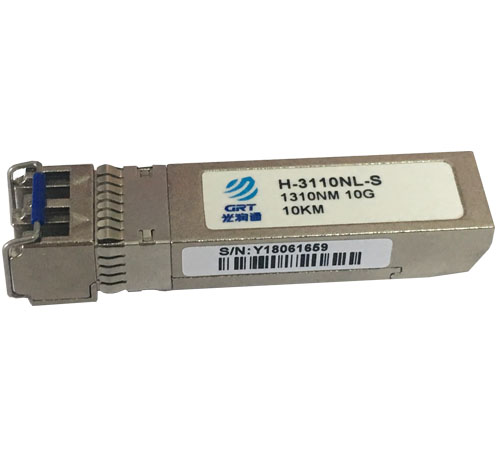
A laser requires a certain amount of bias current to maintain a constant optical output power during operation. As the laser ages, its quantum efficiency decreases. To maintain the same optical output power, the automatic power control (APC) circuit gradually increases the bias current. The period during which the bias current rises from its normal factory value to the alarm threshold typically accounts for more than 80% of the laser's total service life. Taking a typical 10G SFP+ optical module as an example, its bias current is approximately 20 mA when new. As it approaches the end of its service life, the bias current may increase to 40 mA or even higher. According to industry statistics, when the bias current exceeds 1.5 times its factory-set threshold, the laser has entered an accelerated failure phase, with a typical remaining service life of no more than two weeks.
It is worth noting that the increase in bias current is gradual and observable. However, the transmit optical power may remain stable under the control of the automatic power control circuit until the bias current reaches its upper limit, at which point the optical power may drop sharply. Therefore, monitoring optical power alone cannot provide an early warning. In actual network operations, it is recommended to read the bias current once a week or once a month and record its trend. If the bias current increases by more than 10% over a short period, such as one month, or approaches the maximum threshold specified in the module's datasheet, the module should be scheduled for replacement. Predictive maintenance based on bias current data can reduce the risk of unexpected optical module failures by more than 90%.
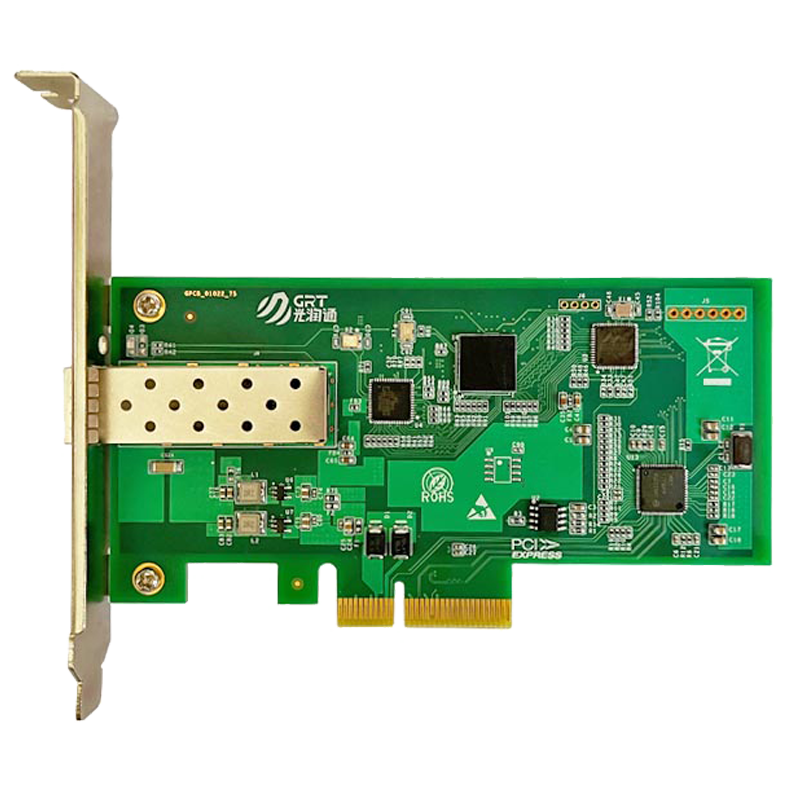
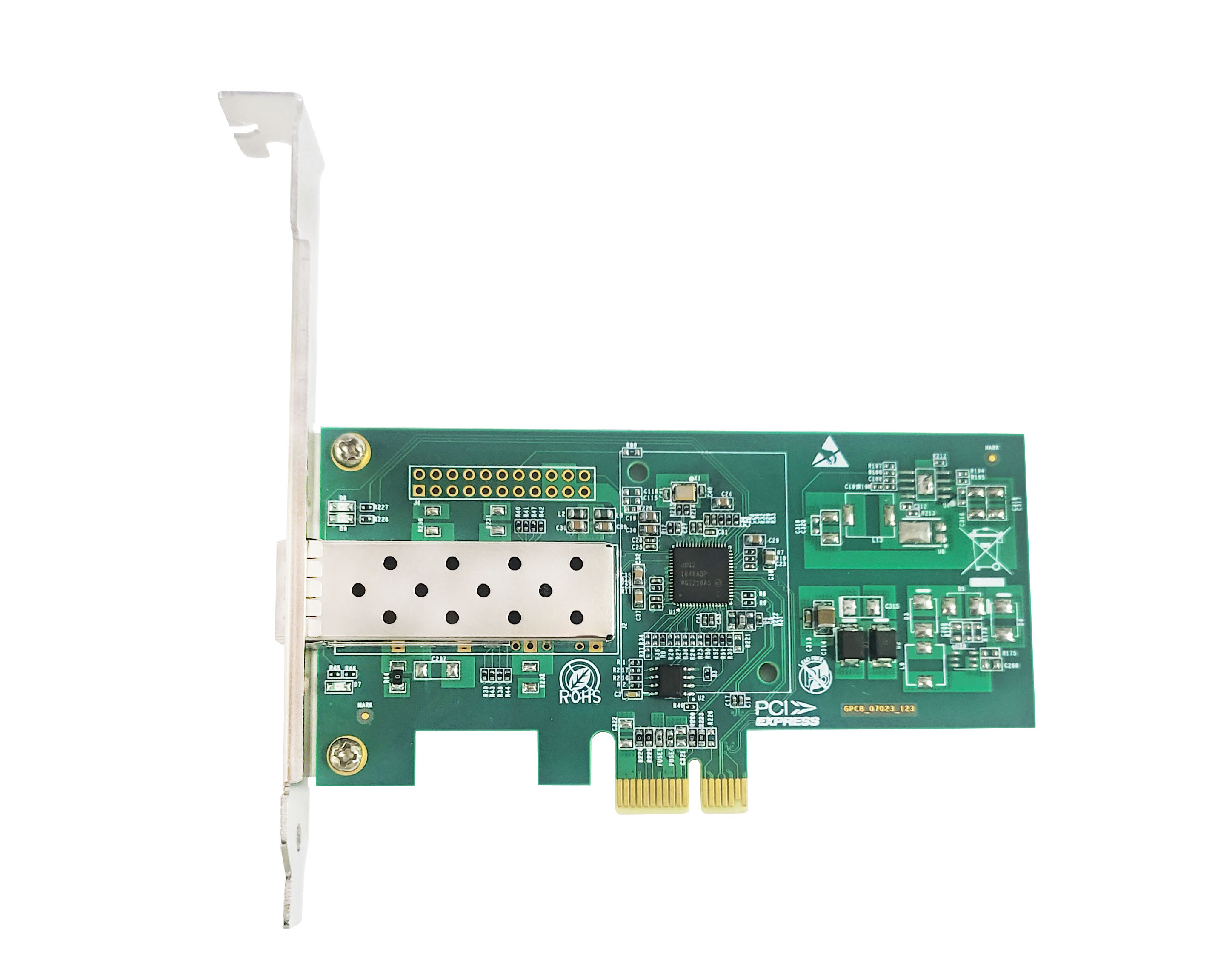
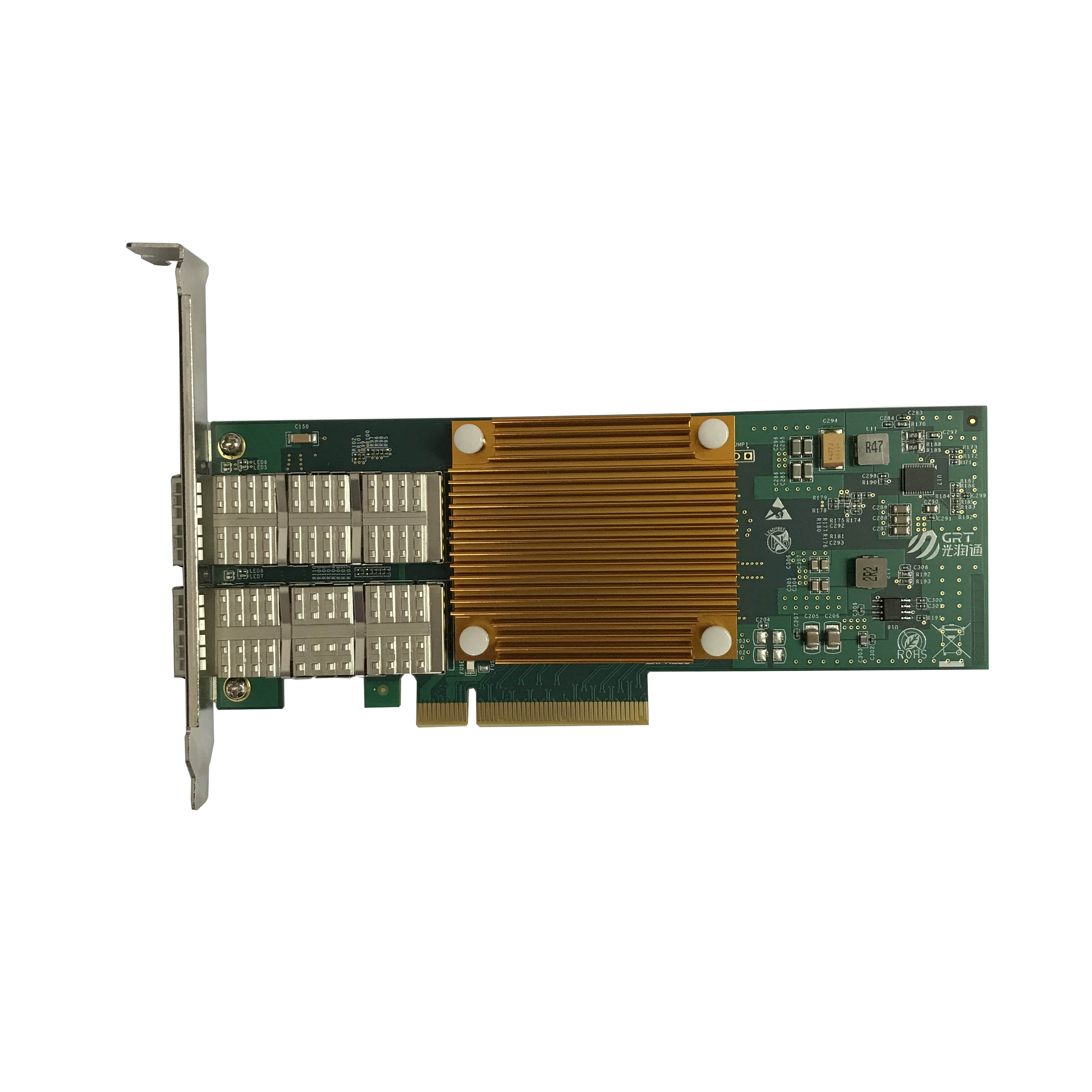
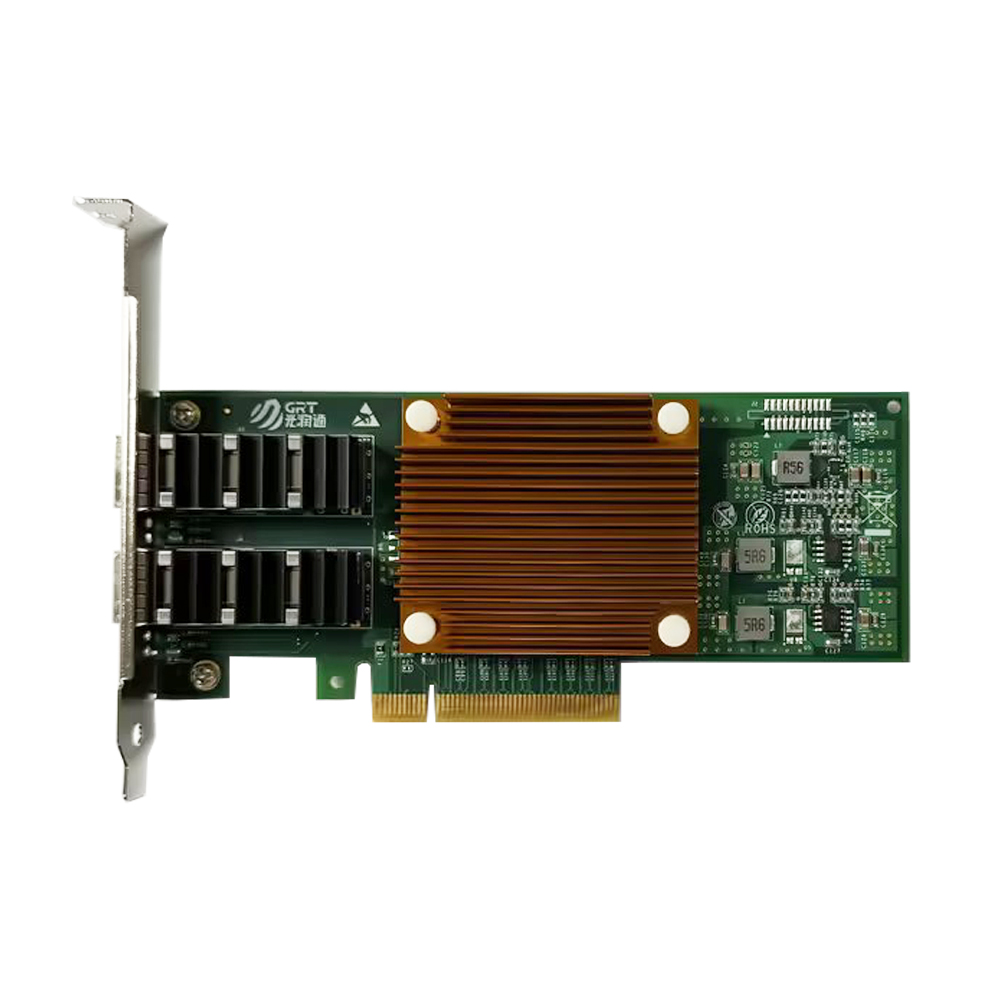
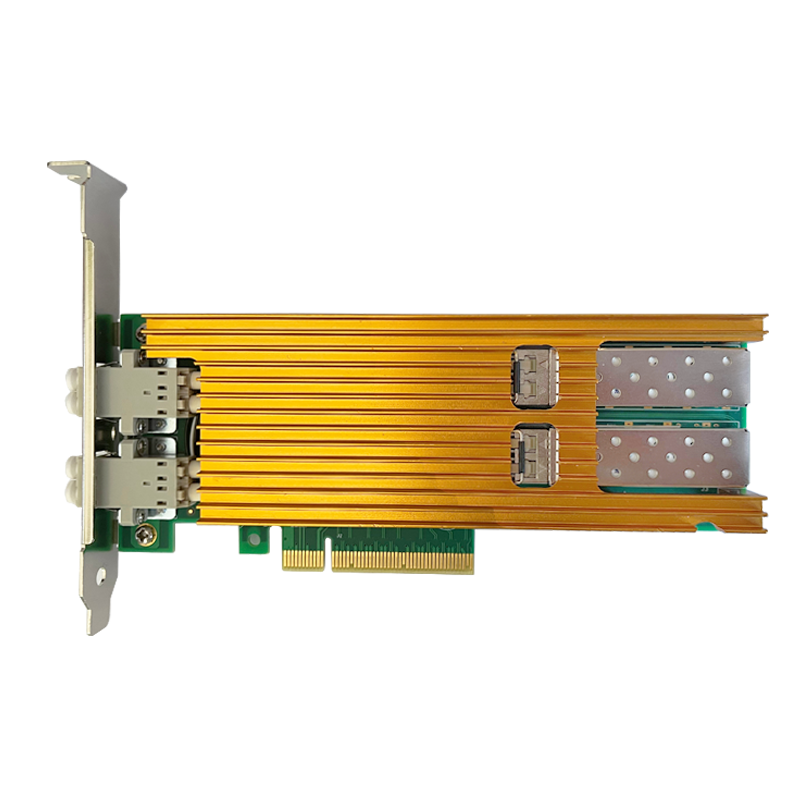
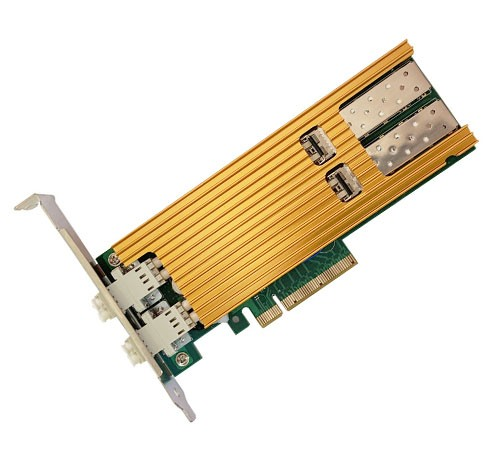
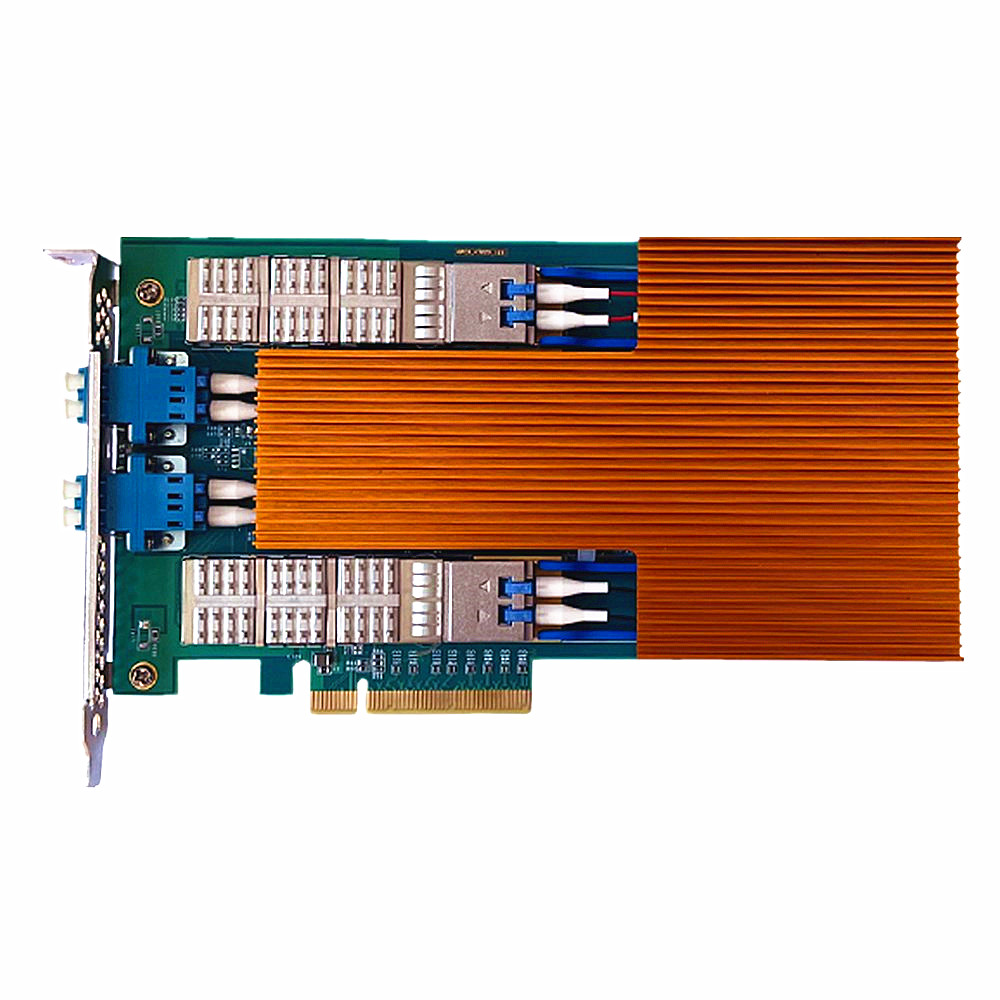
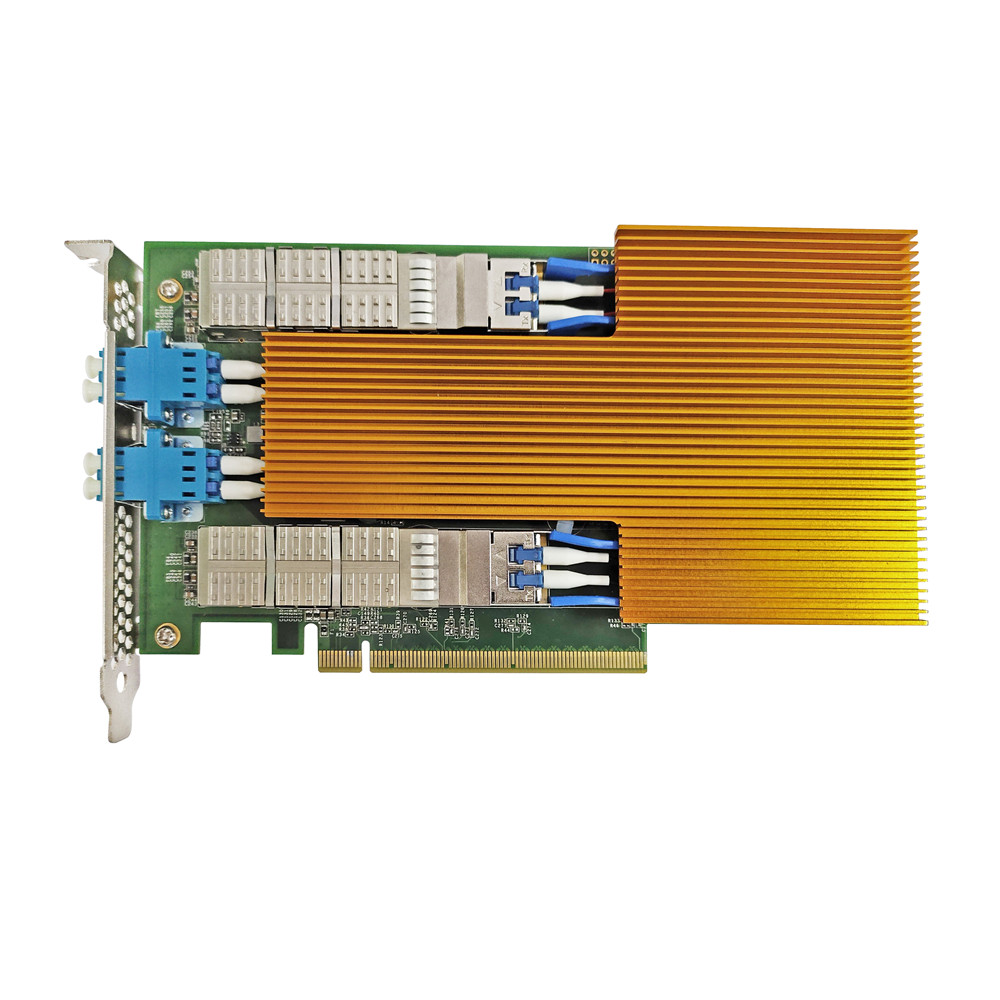
Guangruntong (GRT) network adapter drivers support reading the complete DDM parameters of optical modules, including bias current, temperature, voltage, transmit optical power, and receive optical power. Users can use built-in command-line tools provided by the operating system or third-party monitoring software to configure bias current alarm thresholds. When the bias current exceeds the safe limit, the system automatically sends an alert, allowing maintenance personnel to replace the module in advance and prevent link interruptions. In this way, Guangruntong (GRT) helps customers shift from reactive responses to proactive prevention and improve fiber-optic link availability.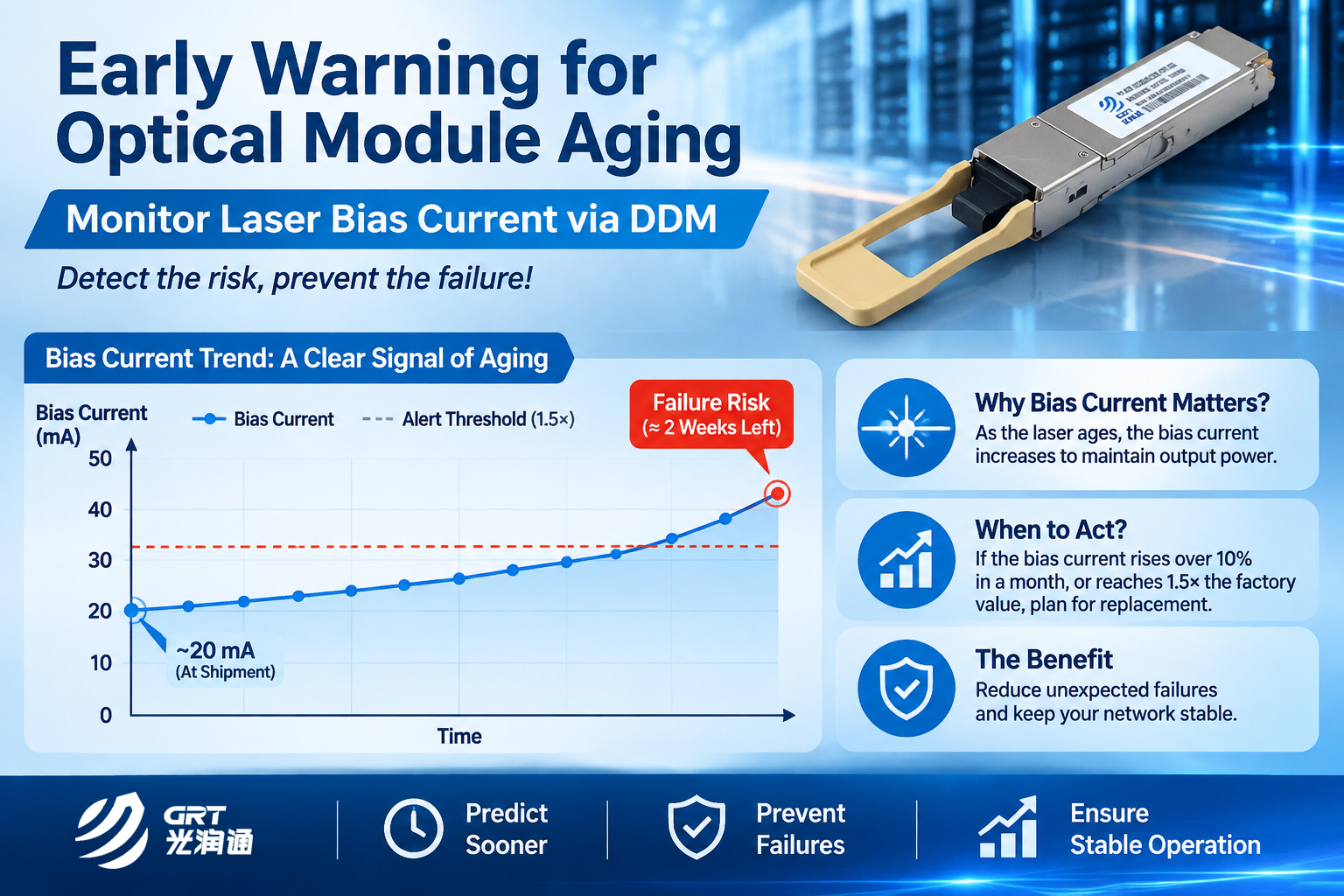
Latest information
- Core Differences Between NIC Redundant Link Functionality and Bypass NICs
- How to Monitor Laser Bias Current to Predict Optical Module Aging
- What Is the Normal Transmit Optical Power of a 10G Optical Transceiver? A Look at the Guangruntong (GRT) H-3410FNL-S
- AC Coupling Capacitors: Small but Essential Components in High-Speed PCIe Signaling
- GRT 200G Multimode Optical Transceiver
- Network Troubleshooting
- Wavelength Division Multiplexing: Enabling Fiber Optics to Carry More Data
- How PCIe Interfaces Affect Signal Integrity