Sign in




Core Differences Between NIC Redundant Link Functionality and Bypass NICs
< Back
Core Differences Between NIC Redundant Link Functionality and Bypass NICs
In enterprise networks, industrial networking, and security gateway deployments, high availability of network links is essential to ensuring uninterrupted business operations. To prevent network interruptions caused by link failures or equipment abnormalities, two mainstream fault-tolerance solutions are commonly used in the industry: NIC redundant link functionality and Bypass network interface cards. Network operations and maintenance personnel and technical engineers often confuse their operating principles and applicable scenarios, sometimes even assuming that the two technologies serve the same purpose. In fact, they differ fundamentally in operating layer, fault coverage, and implementation principles. They are complementary technologies within a network high-availability architecture rather than alternatives to each other. This article provides an in-depth analysis of their core principles, functional differences, advantages and disadvantages, and applicable scenarios to help users make informed hardware selections and design appropriate network architectures.
I. Core Definitions and Basic Principles
1. NIC Redundant Link Functionality (Software-Based Link-Level Redundancy)
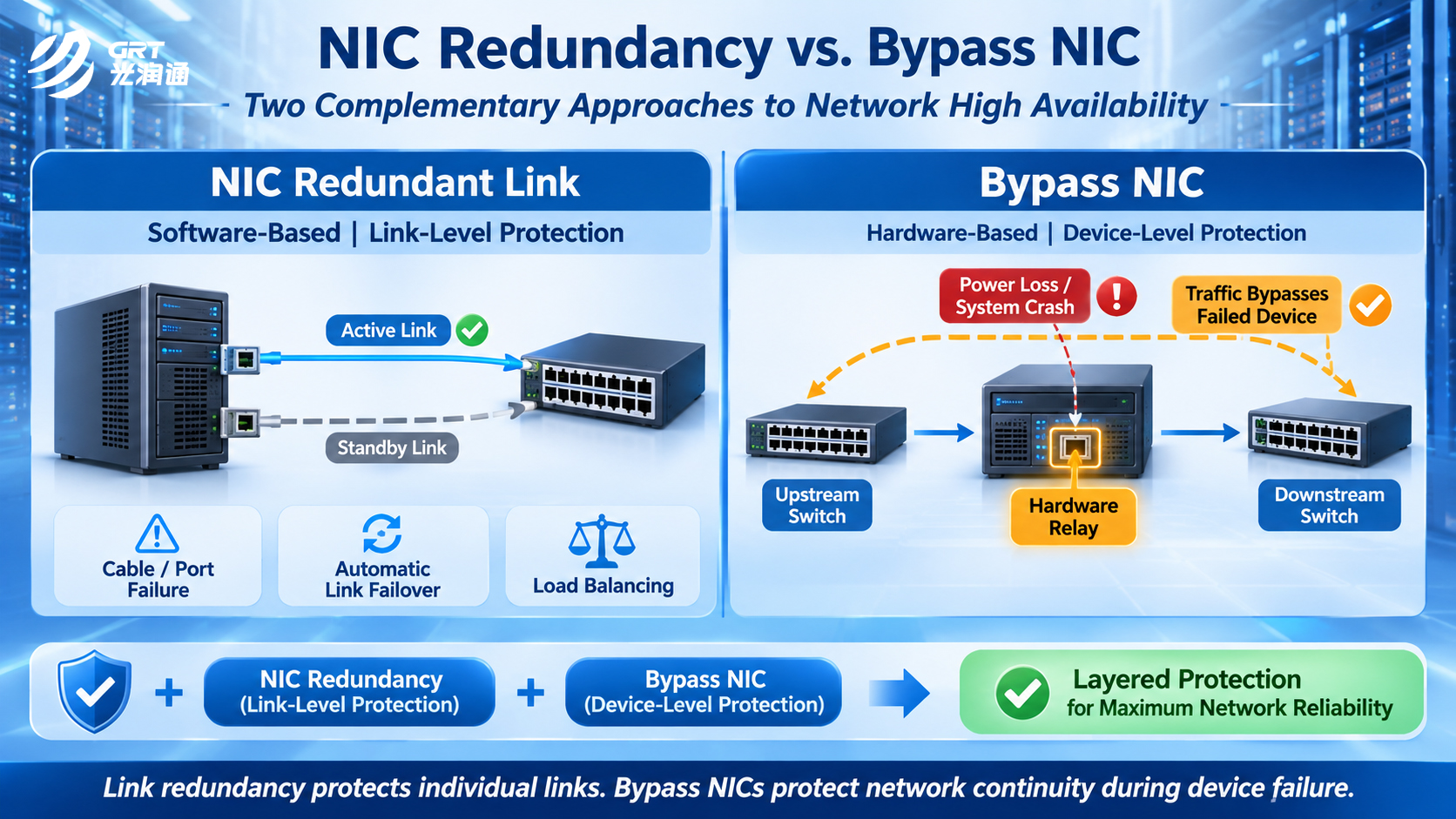
NIC redundant link functionality commonly takes the form of NIC Teaming, Link Aggregation (LACP), and static redundancy or backup configurations. It is a link fault-tolerance technology implemented at the operating system driver and software levels. Its core principle is to combine multiple physical network cards and independent links on a single device into one logical entity, forming either an active-standby or load-balancing architecture.
During normal operation, redundant links can distribute traffic according to the configuration, improving link bandwidth utilization. If a network cable, network port, or downstream switch port fails, the system automatically detects the link status and quickly switches traffic to a functioning backup link, maintaining network connectivity without interruption.
This functionality depends entirely on the proper operation of the host operating system and drivers. Essentially, it is a software-based fault-tolerance mechanism at the link level and only addresses localized failures involving a single link or network port.
2. Bypass NICs (Hardware-Based Device-Level Redundancy)
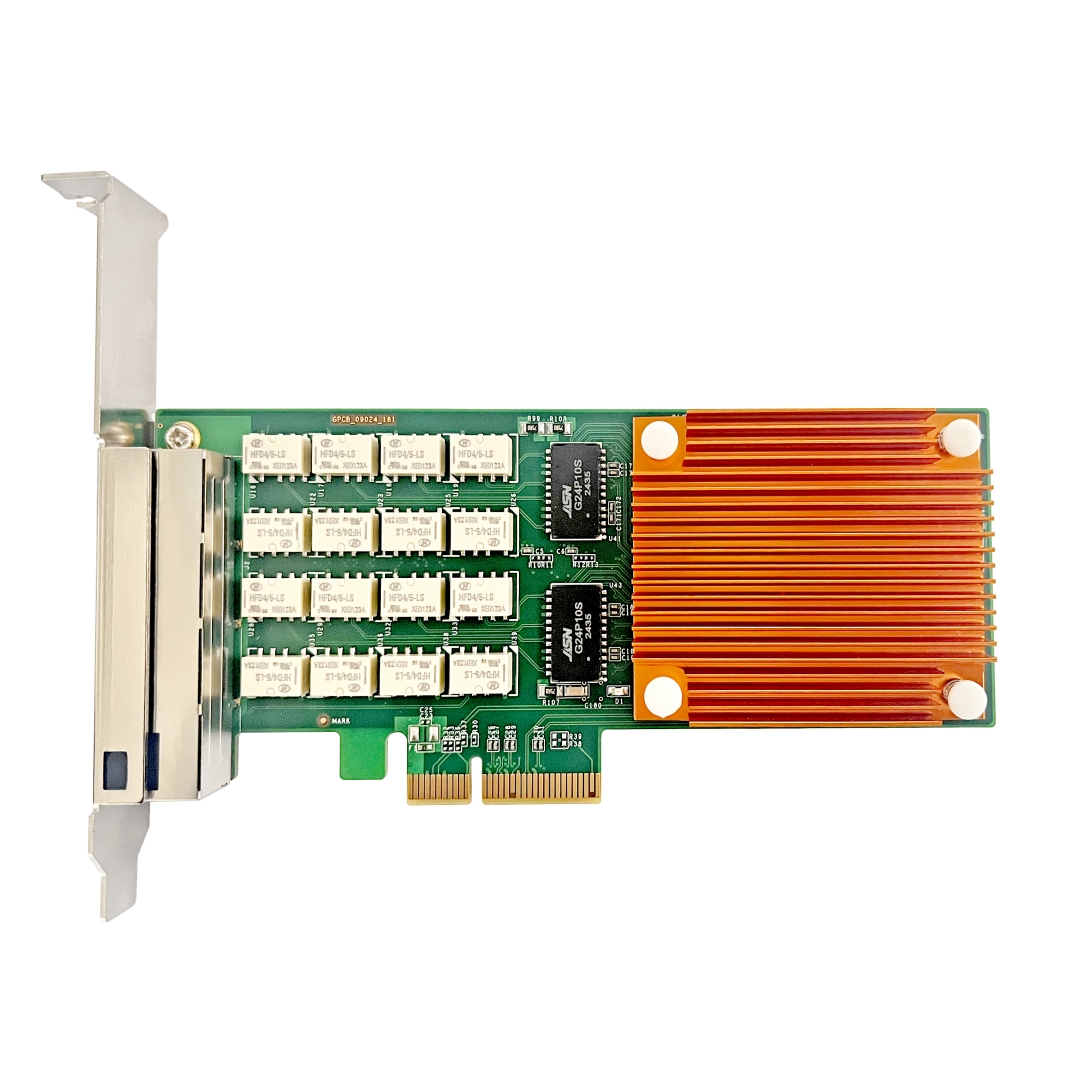
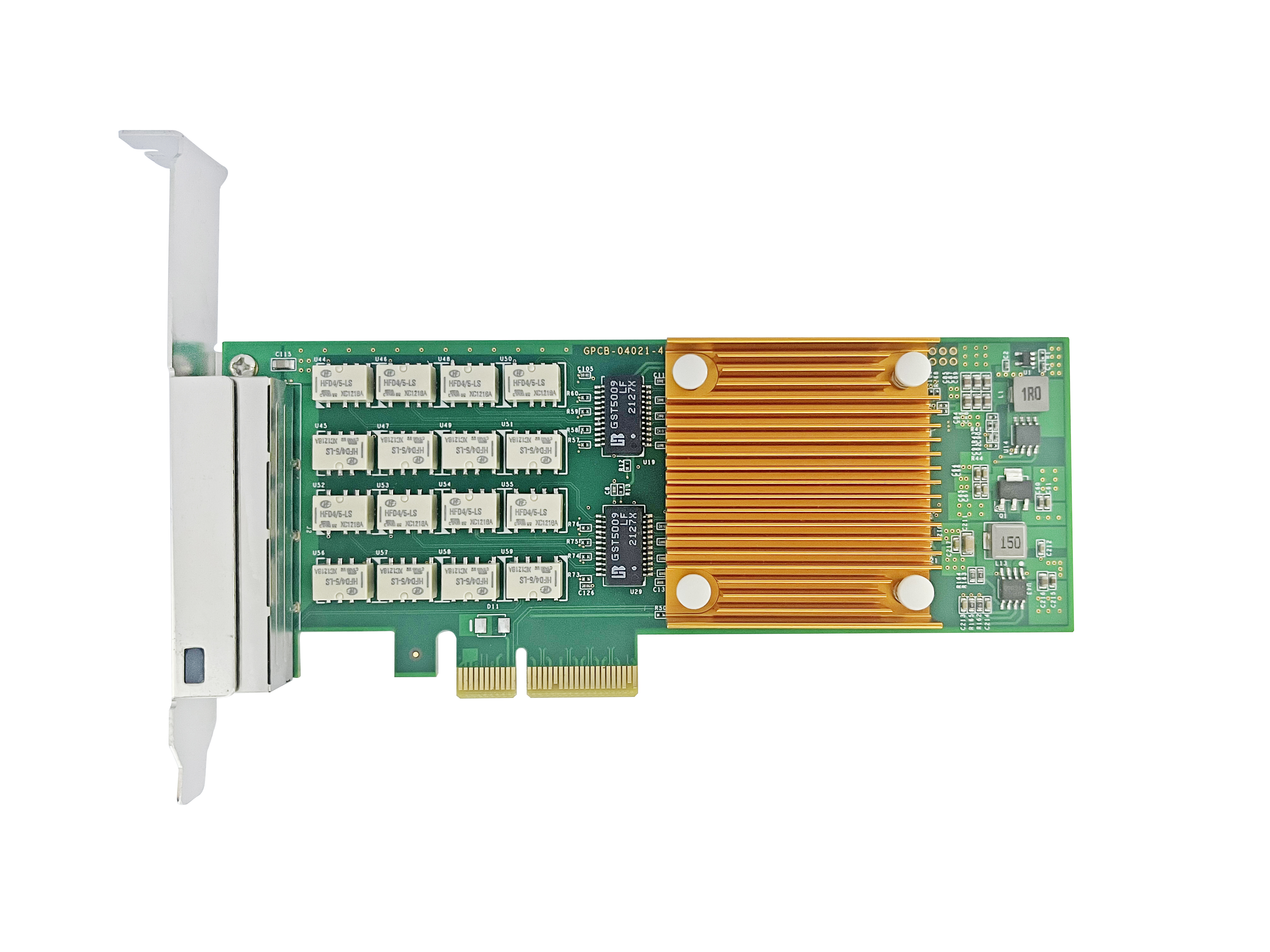
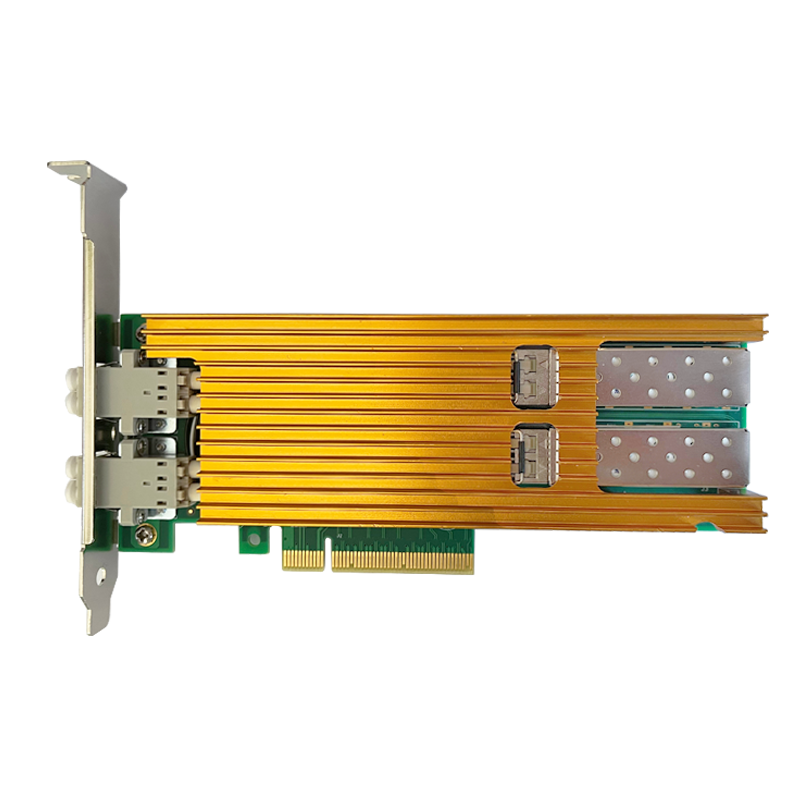
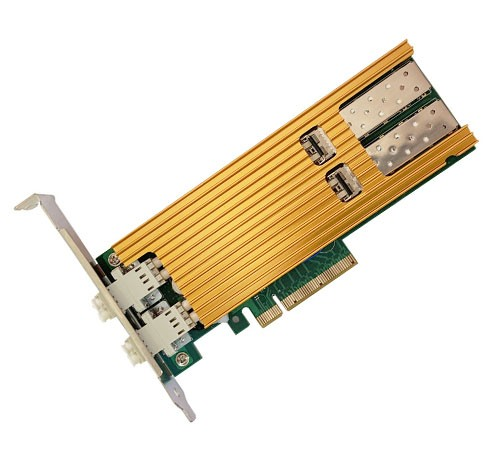
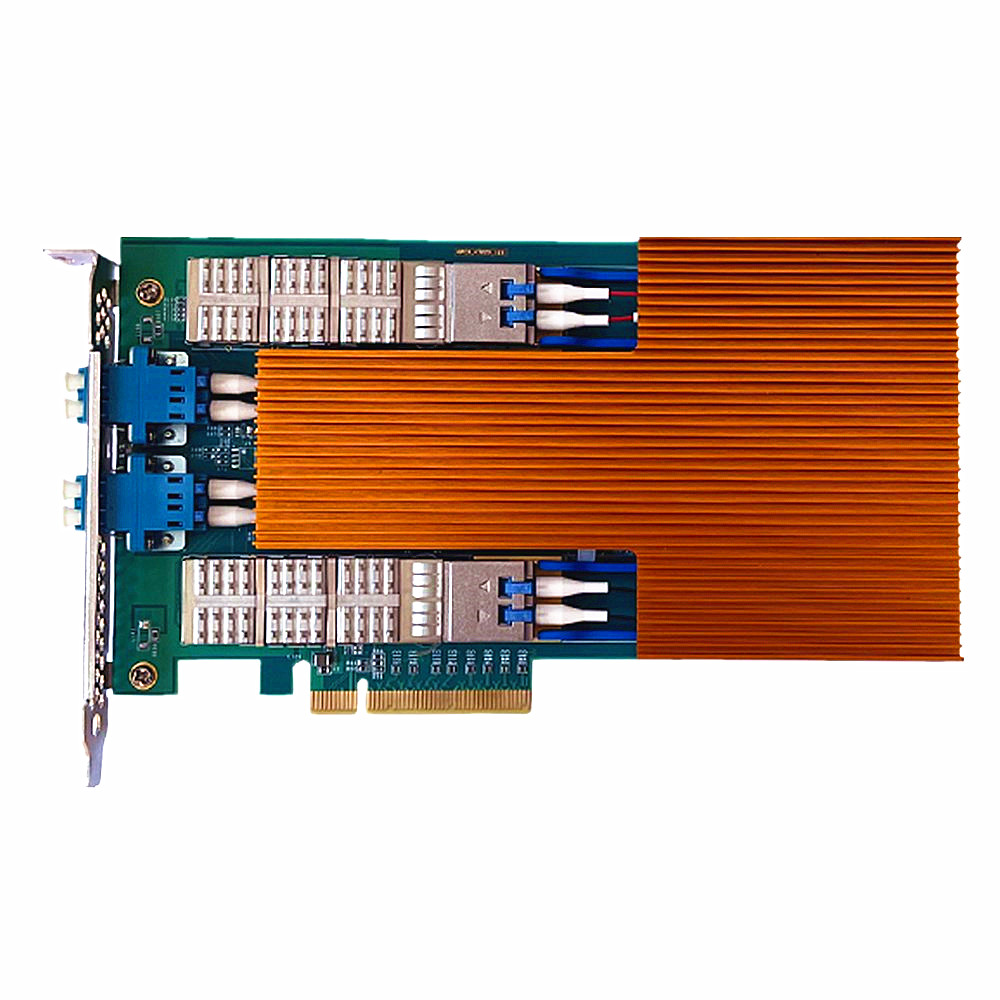
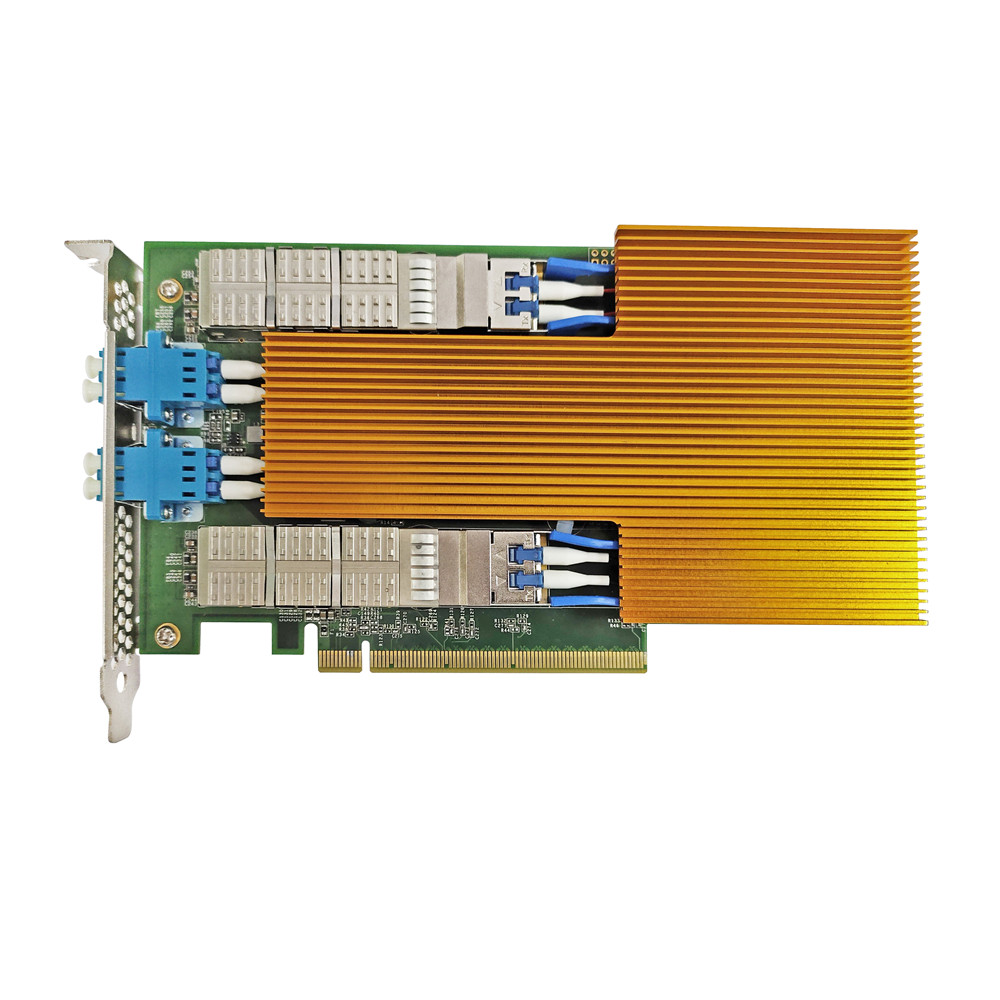
A Bypass NIC is a physical-layer hardware fault-tolerant network card equipped with independent hardware relays. It operates without requiring intervention from the system and is primarily designed to prevent link interruptions caused by the failure of an entire network device. Bypass NICs are generally deployed in pairs and connected inline between upstream and downstream network devices, such as between a switch and a firewall or gateway.
Its operating principle is completely independent of the host CPU, operating system, and drivers. When the device is powered on and the system is running normally, the Bypass NIC operates in its standard mode, with all business traffic passing through the network card and host system for forwarding, inspection, and processing. If the device experiences a power failure, system freeze, operating system crash, kernel crash, or another device-level failure, the built-in hardware relay switches instantaneously. At the physical layer, it directly bridges the upstream and downstream links, allowing traffic to bypass the failed device and pass through directly. Network connectivity can be restored within milliseconds.
In simple terms, a Bypass NIC acts as an emergency bypass switch for network links and provides a last-resort fault-tolerance solution for failures affecting an entire device.
II. In-Depth Comparison Across Key Dimensions
To clearly distinguish between these two technologies, the following table compares them across several key dimensions, including technical implementation layer, fault coverage, operating dependencies, switching speed, and functional characteristics.
| Comparison Dimension | NIC Redundant Link Functionality | Bypass NIC |
|---|---|---|
| Technical implementation layer | Operating system driver and software layers | Physical hardware layer with an independent relay circuit |
| Primary faults addressed | Localized link failures, such as a single network port, cable, or switch port | Device-level failures, such as power loss, system crashes, or complete device freezes |
| Operating dependencies | Requires the host system and NIC drivers to operate normally. The function becomes completely unavailable if the system crashes. | Completely independent of the operating system and CPU. The bypass mechanism can still be triggered during power loss or system crashes. |
| Fault switching speed | Milliseconds to tens of milliseconds; software-based detection and convergence are affected by system performance | Microsecond-level hardware switching; the relay operates instantaneously without system-related delays |
| Traffic handling capabilities | Supports traffic load balancing and redundant link backup, improving overall bandwidth utilization | In a failure state, only allows traffic to pass through directly; it does not inspect, forward, or filter traffic |
| Deployment cost | Low cost; standard NICs are sufficient, with no additional hardware investment required | Higher cost; requires dedicated Bypass hardware NICs with more complex hardware structures |
| Main application scenarios | Servers and core switches, where protection against single-link failures is required | Inline security devices such as firewalls, IPSs, and audit gateways |
III. Summary of Key Differences
1. Completely Different Fault-Tolerance Coverage (The Most Fundamental Difference)
NIC redundant link functionality protects links, not entire devices. It can only handle single-point failures at the link level. If the host system freezes, loses power, or experiences a kernel crash, the operating system stops running, and redundancy functions such as NIC Teaming and Link Aggregation become unavailable. The entire network link may then be interrupted, leaving the business exposed to downtime caused by complete device failure.
A Bypass NIC protects against device failures, not individual link failures. It cannot resolve localized problems such as a damaged network cable or port. However, when an inline device fails completely, it can establish a physical bypass path, preventing that device from becoming a blocking point in the network. It addresses the risk of network-wide interruptions.
2. Different Reliability of Operating Mechanisms
NIC redundant link functionality is software-based fault tolerance and therefore has inherent limitations. Both fault detection and link switching are performed by system drivers. When the system is under heavy load, the driver malfunctions, or the kernel reports errors, redundant switching may be delayed or fail. Its fault-tolerance stability depends on the operating state of the system.
A Bypass NIC provides hardware-based fault tolerance and supports fail-through operation without requiring active system intervention. Its bypass trigger mechanism is controlled by an independent hardware circuit and does not rely on system computing resources or get affected by software failures. It serves as the last line of defense in network high availability, offering significantly greater reliability than software-level redundancy.
3. Different Trade-Offs in Business Traffic Handling
During a switch between redundant links, traffic continues to be processed by the host system. Firewall policies, data auditing, traffic filtering, and other business functions remain active throughout the process. Only the transmission path changes, so the business logic continues uninterrupted.
When a Bypass NIC enters bypass mode, traffic passes directly through the physical bypass path. Security inspection, traffic control, and data forwarding rules on the device are no longer applied. The mechanism preserves network connectivity at the expense of traffic management and security control capabilities. It is suitable for critical business scenarios where connectivity must be maintained even if some functions have to be temporarily degraded.
IV. Applicable Scenarios and Network Deployment Recommendations
1. Scenarios Where NIC Redundant Link Functionality Should Be Prioritized
This solution is suitable for devices connected in parallel, such as servers, core switches, and storage devices. Their primary requirement is to avoid failures involving a single network port or link while retaining continuous traffic processing and business scheduling capabilities. Through NIC Teaming and LACP, these devices can achieve redundant link protection while also aggregating bandwidth and improving network throughput. This offers excellent cost-effectiveness and is a fundamental high-availability configuration for conventional network deployments.
2. Scenarios Where Bypass NICs Should Be Prioritized
Bypass NICs are suitable for inline network security devices, including firewalls, Intrusion Prevention Systems (IPS), Internet access behavior auditing systems, and traffic probes. These devices are deployed along the main network traffic path. If an entire device fails, it can directly block network traffic and cause widespread business interruptions. With a Bypass NIC installed, network traffic can automatically pass through the bypass path during maintenance, system crashes, or power failures, minimizing the impact of equipment failures.
3. Recommended Combined Deployment Solution
In high-end core network environments, these two technologies should not be treated as mutually exclusive options. Instead, they can be deployed together to provide two layers of fault tolerance. NIC redundant link functionality handles everyday single-link failures and keeps business services operating normally. Bypass NICs provide protection against extreme failures affecting an entire device. Together, they help achieve the highest level of availability: links remain operational, device failures do not block the network, and network connectivity is maintained. This approach balances business integrity with network connectivity and stability.
V. Common Misconceptions and Clarifications
Some technical personnel mistakenly believe that enabling NIC redundancy means Bypass NICs are no longer necessary. This is a typical misunderstanding. Software-based fault tolerance provided by NIC redundancy cannot cover hardware-level failures such as device crashes or power loss. In inline security device deployments, relying solely on link redundancy still leaves a serious single point of failure.
At the same time, Bypass NICs should not be relied on excessively. A Bypass NIC only maintains network connectivity; it cannot replace the load balancing, bandwidth expansion, or link backup capabilities of redundant links. During a failure, all security and traffic management capabilities are lost. Therefore, it cannot independently meet the requirements of routine business high availability.
VI. Conclusion
In summary, NIC redundant link functionality is a routine solution for link-level high availability, while a Bypass NIC is a fallback solution for network continuity during extreme equipment failures. The former focuses on software-level link optimization and fault tolerance, maintaining link stability and performance during normal business operations. The latter focuses on hardware-level failure protection and addresses the risk of network-wide interruptions caused by complete device failures.
Only by accurately understanding the technical differences and applicable scenarios of these two technologies, and combining them appropriately according to network architecture, device roles, and business requirements, can enterprises build a truly stable and reliable network architecture without single points of failure. This provides comprehensive protection for network performance, business security, and fault tolerance.
- Prev: How to Monitor Laser Bias Current to Predict Optical Module Aging
- Next: None
Latest information
- Core Differences Between NIC Redundant Link Functionality and Bypass NICs
- How to Monitor Laser Bias Current to Predict Optical Module Aging
- What Is the Normal Transmit Optical Power of a 10G Optical Transceiver? A Look at the Guangruntong (GRT) H-3410FNL-S
- AC Coupling Capacitors: Small but Essential Components in High-Speed PCIe Signaling
- GRT 200G Multimode Optical Transceiver
- Network Troubleshooting
- Wavelength Division Multiplexing: Enabling Fiber Optics to Carry More Data
- How PCIe Interfaces Affect Signal Integrity